Blog

How Maryland Is Raking in Fines from “Port-a-Potty” Speed Cameras

speeding-ticket-lawyer-baltimore

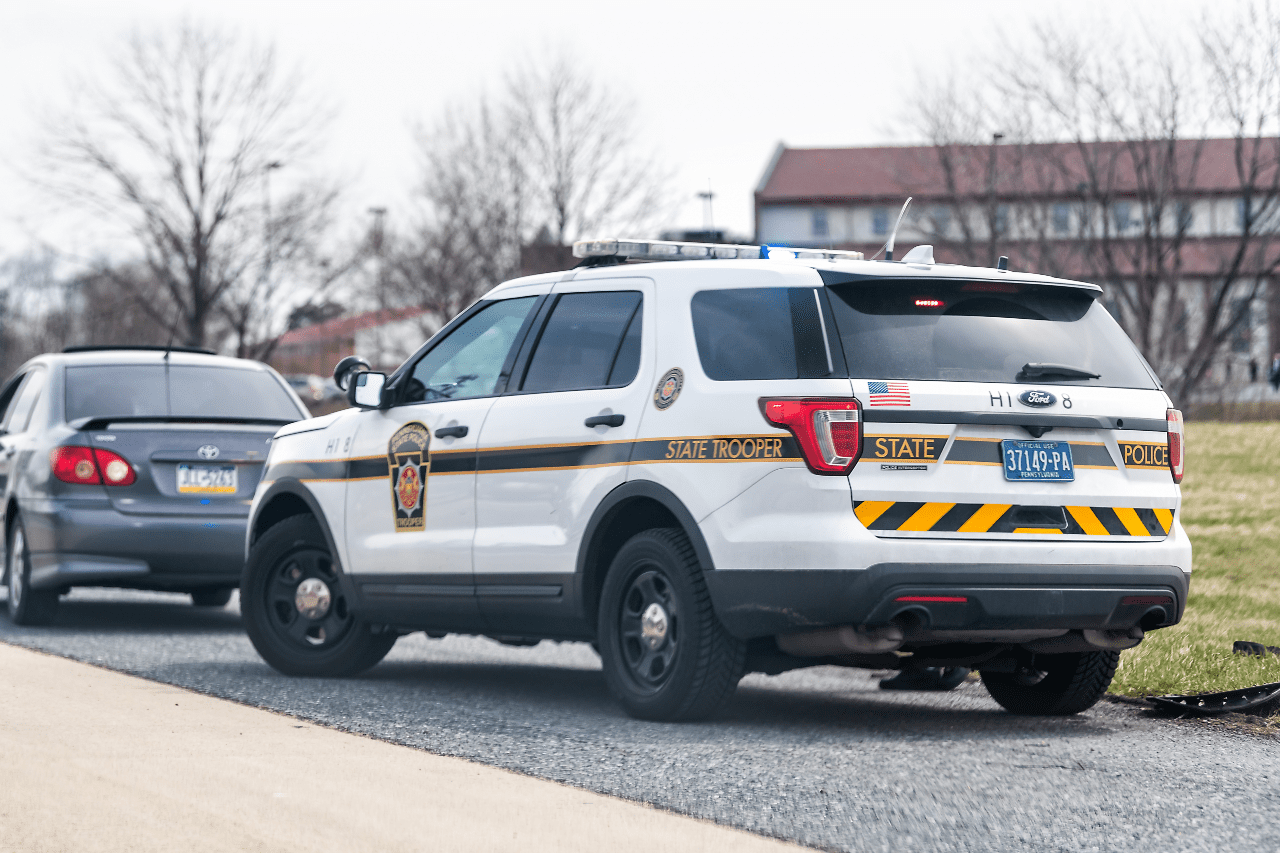
Maryland is notorious for implementing speed cameras throughout the state, especially in areas that are under heavy construction. The goal is simple: to reduce the speed of vehicles in advance of and through work zones to prevent crashes and save lives. There are 17 different active radar cameras located in construction zones across the state through Maryland’s “SafeZones” program. But what you may not know is that these cameras—usually attached to small SUVs parked on the shoulder of highway lanes—are often hidden behind roadside port-a-potties.

Many Maryland drivers are frustrated by the hidden speed cameras because they’re difficult to spot behind the gray and blue port-a-potties. But Maryland highway officers say the setup has nothing to do with camouflage or trickery. Instead, officials say they’re simply trying to keep motorists to a safe speed through the work zone, and the port-a-potty is there so that the vehicle operator can use it at their leisure. State law requires the operator to be present when the radar and camera are active. If they work a lengthy shift, eventually, nature calls.

Table of Contents

What Are Maryland Speed Camera Infractions?

The often hidden SUVs are rigged with a portable radar device and camera which captures the speed and license plate of any vehicle traveling over 66 miles per hour. The speed limit on highways is 55 mph, but drivers are given an 11-mph buffer.

Each infraction incurs a $40 fine, and there are no points assigned to an individual’s driving record. Likewise, these types of tickets are civil infractions and don’t carry any criminal ramifications. Nevertheless, though Maryland speed camera infractions are often considered minor offenses, they can produce an unwanted burden for the individual involved.

After a police officer reviews the photograph taken by the speed camera, a citation will be mailed to the registered owner of the vehicle. The driver can choose to either pay the fine or contest the ticket at a Maryland District Court. Failure to respond to the ticket can result in additional fees and penalties.

Can Maryland Speed Cameras Provide Inaccurate Results?

It may seem counterintuitive to imagine that a machine imprecisely recorded your speed. However, there are several defenses against speed tickets that you and your lawyer may consider. Here are a few:

  • You may not have been driving the car: You may be the registered owner of the vehicle but not the person who was driving the car at the time of the violation. If that’s the case, you must provide the judge with evidence substantiating your claim. This can include a document from your employer stating that you were at work at the time or a record from your doctor proving that you couldn’t drive because of a disability or sickness.
  • The speed camera malfunctioned: Technology is never perfect. Your attorney can help you examine the maintenance records of the device in order to question its accuracy.
  • A blatant error: If you notice an obvious mistake with your speeding ticket—like if the picture of the vehicle in question isn’t your car—contact the police department issuing the citation who may be able to dismiss the case without a hearing.
  • There are other vehicles in the photo: You may also contend that, if there are other vehicles in the citation images, the violation may have been improperly assigned to you.
  • Improper signage: You can protect your rights if the signs in the area were obstructed, missing, or non-standard.

If you wish to contest your speed camera infraction, begin by finding a Baltimore traffic lawyer who can help you gather the evidence necessary to fight against your allegations. An attorney will then be able to request a hearing at one of the Maryland District Courts and appeal on your behalf at the scheduled hearing. The attorney will make arguments to the judge and provide them with evidence that may dismiss your citation completely.

Contact an Experienced Criminal Traffic Attorney in Baltimore After a Traffic Offense

If you received a traffic violation from a speed camera, there’s always a possibility that the camera or a member of the Maryland Department of Transportation wrongfully cited you for speeding. Fight back against your ticket with the help of a traffic lawyer who contests charges in Maryland. An attorney like Hillel Traub will see to it that you achieve the best possible outcome in your traffic case. Minor traffic violations can unexpectedly cause long-term problems with your privilege to drive in Maryland, which is why it is crucial to seek intelligent representation.

Hillel Traub previously served as an Assistant Attorney General for the Maryland MVA and has experience working with people who are accused of traffic violations. With his unique insight into the agency’s operations, he can make a strong case for you that may help you avoid any frustrating penalties. Give us a call at (410) 850-1100 or complete our online contact form to schedule a free consultation today.

Recommended Posts

How to Read & Understand Your Traffic Violation Notice

Receiving a traffic violation notice in Maryland can be stressful and confusing. Between legal jargon, violation codes, deadlines, and fines, it’s easy to feel overwhelmed. Many drivers make the mistake of either ignoring the notice or paying it without understanding the consequences—actions that can negatively impact their driving record, insurance rates, and even their license. Maryland traffic laws are particularly strict due to the Motor Vehicle Administration (MVA) point system and contributory negligence rules, which can affect your ability to recover in accidents or protect your driving privileges. This blog will walk you through how to read and understand your traffic violation notice, what each section means, and steps to protect yourself from long-term consequences. Anatomy of a Maryland Traffic Violation Notice Traffic violation notices (also called citations) contain several key components: Defendant Information Your full name, address, and driver’s license number Any errors here should be reported immediately, as incorrect info can affect the case Violation Code A reference to the specific Maryland law you allegedly violated (e.g., MD Transportation § 21-801 for speeding) Codes can be looked up online or through the MVA for details Description of Offense Explains the nature of the violation (e.g., speeding, failing to stop, reckless driving) Sometimes includes exact speed or location details Location & Date Where and when the violation occurred Important for memory recall and evidence (e.g., weather, road conditions) Fine Amount Base fine you owe if you choose to pay without contesting Additional fees may apply depending on court costs or late payment Points on Your License Maryland uses a point system where violations add points to your driving record Accumulating 8 points within 2 years can result in license suspension Response Options Pay the fine (plead guilty) Request a waiver hearing (for minor offenses) Request a trial or contest the ticket Common Mistakes Drivers Make Mistake 1: Paying Without Understanding Consequences Many drivers pay immediately thinking it’s the easiest option. In Maryland, paying the fine is considered a plea of guilty, which can: Add points to your record Affect insurance premiums Contribute to future license suspension Mistake 2: Ignoring the Ticket Failure to respond can escalate consequences: Automatic fines License suspension Warrants in some cases Mistake 3: Misreading the Violation Code Some codes may sound minor but carry heavier penalties. For example, MD Transportation § 21-904 for reckless driving carries higher fines and more points than minor speeding. Mistake 4: Underestimating the Insurance Impact Even a minor violation can increase premiums, especially if you have previous tickets or accidents. Insurance companies check your MVA driving record, not just court outcomes. Mistake 5: Overlooking the Option for Legal Defense Some violations can be contested successfully in court or reduced. Traffic lawyers can help identify errors in citation issuance, officer observations, or procedural mistakes. Understanding Points and Penalties Maryland points system tracks violations to monitor driver behavior. Key points include: Violation Points Consequence Speeding 10–29 mph over limit 3 Added to license record Speeding 30+ mph over limit 5 Added points, higher insurance risk Reckless driving 5 May affect eligibility for license renewal DUI 12 Immediate license suspension Driving without insurance 3–5 Fine + points Scenario Example: A driver receives a speeding ticket for 25 mph over the limit. Paying the fine immediately adds 3 points. If they later get a second speeding ticket within 2 years, their total could reach 6 points, bringing them dangerously close to suspension thresholds. Step-by-Step Guide to Responding to Your Ticket Verify Accuracy Check your name, address, license number, and vehicle info Note any discrepancies and report immediately Understand Your Options Pay the fine, request a waiver, or contest the ticket Consider long-term impact on points and insurance Assess Evidence and Documentation Gather any relevant evidence: dash cam footage, GPS logs, witness statements Document weather, road conditions, and traffic flow if applicable Consult a Traffic Attorney Especially for serious offenses, prior violations, or potential license suspension Attorneys can challenge improper citations or negotiate reduced penalties Respond Within the Deadline Typically 15–30 days from issuance Late response can lead to default judgments and increased penalties FAQs About Traffic Violation Notices Q1: Can I contest a ticket without going to court? A1: Yes, minor violations may be eligible for a waiver hearing, but serious violations require a trial. Q2: Will paying a ticket always increase my insurance rates? A2: Not always, but most insurers consider points and violations when calculating premiums. Multiple violations increase risk of higher rates. Q3: How long do points stay on my record in Maryland? A3: Typically, points stay for two years from the violation date. DUI-related points remain longer. Q4: Can I negotiate a ticket? A4: Yes, a traffic attorney can often negotiate reduced charges or alternative penalties like traffic school. Scenario-Based Engagement Prompt Imagine receiving a ticket for 15 mph over the limit on your way to work. You’re unsure whether to pay immediately, fight it, or request a waiver. Using the steps outlined above, you can: Evaluate the risk to your license points Determine insurance implications Collect any evidence to support your case Pro Tip: Keep a digital copy of all tickets and MVA correspondence for future reference. Long-Term Tips to Protect Your Driving Record Monitor Points Accumulation – Regularly check your driving record online Attend Defensive Driving Courses – Some points can be mitigated through approved courses Maintain Proper Insurance – Avoid penalties for lapses or incorrect coverage Stay Informed on Maryland Traffic Laws – Laws change; new violations may carry unexpected points Driving Forward: Next Steps After a Ticket Receiving a traffic violation notice can feel overwhelming, but understanding the details and knowing your options makes all the difference. By carefully reviewing your citation, tracking points, and evaluating the potential impact on your driving record and insurance, you can make informed decisions to protect yourself. At The Law Office of Hillel Traub, P.A., we help Maryland drivers navigate these situations with confidence—whether that means contesting a ticket, negotiating reduced penalties, or providing guidance on MVA procedures. Don’t let a single citation put your license or future at risk. Contact us today for a consultation and take the first step toward safeguarding your driving record.

What Is Jewish Law Arbitration and How Does It Work?

Arbitration has long been known as an effective alternative to the traditional court system for resolving disputes. Among various forms of arbitration, Jewish Law Arbitration (also known as Beit Din) holds a unique place, particularly for those in the Jewish community. This method not only adheres to the legal principles of Jewish law (Halacha) but also offers a culturally relevant, often more expeditious, way of settling conflicts. If you're in Baltimore, MD, and considering this form of arbitration, here's what you need to know. Understanding Jewish Law Arbitration At its core, Jewish Law Arbitration is a system where disputes are resolved by a panel of judges who are well-versed in Jewish law. These panels are often composed of three rabbis who serve as neutral arbitrators. The process is voluntary; both parties must agree to submit their dispute to the Beit Din, and they must also agree to abide by the panel's decision. Why Choose Jewish Law Arbitration? Cultural Relevance: For those within the Jewish community, having a legal matter resolved under the guidance of Jewish principles can be deeply reassuring and more aligned with personal beliefs. Confidentiality: Like most arbitration, proceedings are private, which means sensitive matters can be handled discreetly. Speed: The arbitration process is typically faster than traditional court proceedings, which can be particularly beneficial in time-sensitive situations. The Arbitration Process 1. Agreement to Arbitrate Before the process begins, both parties must sign an agreement to arbitrate, which outlines the scope of the arbitration and the issues to be resolved. This agreement is essential as it binds the parties to accept the decision of the Beit Din. 2. Selection of the Beit Din Typically, the Beit Din is chosen by mutual agreement of the parties involved. The panel is composed of rabbinical judges with expertise in Jewish law and often includes individuals with a strong legal background. 3. The Hearing During the hearing, both parties present their case, including evidence and witnesses if necessary. The process is less formal than a court trial, but it is structured to ensure fairness and thorough consideration of the issues. 4. Deliberation and Decision After hearing both sides, the Beit Din deliberates and issues a decision, known as a p’sak din. This decision is binding, and in many jurisdictions, it can be enforced in the same manner as a court judgment. Legal Recognition and Enforcement Decisions made by a Beit Din are generally recognized and enforceable under civil law, provided the arbitration process complies with local legal requirements. In Baltimore, MD, as in other places, parties often seek to have the decision confirmed by a civil court to ensure enforceability. Considering Jewish Law Arbitration in Baltimore, MD For residents of Baltimore, MD, who are considering Jewish Law Arbitration, it’s crucial to understand both the benefits and the specific legal context. The Law Office of Hillel Traub, P.A. offers guidance for those exploring this path and ensures that your arbitration process aligns with both Jewish and civil law standards. Conclusion Jewish Law Arbitration offers a culturally resonant and efficient alternative to traditional litigation. Whether you're dealing with a family dispute, business disagreement, or other legal matters, this form of arbitration can provide a fair resolution in a manner consistent with Jewish values. For more information or to consider this option, feel free to contact The Law Office of Hillel Traub, P.A. for a consultation. Their expertise can guide you through the arbitration process with confidence and clarity.

What to Do Immediately After Being Pulled Over for DUI in Maryland

Being pulled over on suspicion of DUI in Maryland is a high-stress, high-stakes situation. Every action you take—or fail to take—can influence whether charges are reduced, dismissed, or lead to conviction. Drivers often panic, make incriminating statements, or consent to improper testing, which can have long-term consequences on their license, insurance, and criminal record. This blog provides a step-by-step guide on what to do immediately after a DUI stop, focusing on legal rights, practical actions, and strategies that can help protect your case. Step 1: Stay Calm and Composed Pull over safely and turn off the engine. Keep hands visible on the steering wheel. Avoid sudden movements that may alarm the officer. Take deep breaths—remaining calm can influence officer perception and reduce unnecessary escalation. Example: Drivers who argue or resist often face additional charges, such as obstruction or reckless driving, complicating their case. Step 2: Understand Your Rights Maryland law provides key protections during a traffic stop: Right to Remain Silent: You do not have to answer questions about alcohol or drug consumption. Polite non-incriminating responses are recommended. Right to Refuse Certain Tests: You can refuse a preliminary breath test (PBT) at the scene, but refusing an evidentiary chemical test (breath, blood, or urine) after arrest may trigger Administrative License Suspension. Right to Legal Representation: You may request an attorney before providing statements or consent to additional procedures after arrest. Step 3: Comply Without Self-Incrimination Follow officer instructions respectfully. Do not argue or admit guilt on the spot. Answer only basic questions (name, address, date of birth) unless instructed otherwise. Scenario Example: A driver who admitted to having “a couple of drinks” during a traffic stop saw that statement used against them in court. Keeping statements limited can prevent self-incrimination. Step 4: Observe and Document Note the time, location, weather, and road conditions. Pay attention to officer behavior and any irregularities. If possible, document dash cam footage or witness accounts. This information can be crucial if your attorney later challenges the stop, field sobriety tests, or chemical testing procedures. Step 5: Field Sobriety and Chemical Tests Maryland officers may administer field sobriety tests (walk-and-turn, one-leg stand, horizontal gaze nystagmus). Tests can be affected by fatigue, medical conditions, or environmental factors. Chemical tests (breath, blood, or urine) are subject to strict procedural and calibration requirements. Tip: Refusing a PBT may protect your case at the scene, but refusing an evidentiary test after arrest triggers ALS. Always consult a DUI attorney immediately if you are arrested. Step 6: After the Stop You may be released with a citation or arrested depending on evidence. Always keep a copy of all paperwork, including citation and notice of ALS (if applicable). Do not attempt to handle complex legal matters on your own; expert legal counsel is essential. FAQs Q1: Can I refuse a field sobriety test? A1: Yes, but refusal may be used as evidence of impairment in court. Always consult an attorney. Q2: How soon should I contact a DUI attorney? A2: Immediately. Early intervention can protect your license and evidence. Q3: Will police read me my rights at a DUI stop? A3: Officers must read your Miranda rights only if you are in custody and being interrogated. Knowing your rights beforehand helps protect you. Q4: What happens if I fail the breath test? A4: A high BAC triggers ALS, potential DUI charges, and insurance implications. Legal review is essential. Your First Moves Matter: Navigating a Maryland DUI Stop Being proactive immediately after a DUI stop can make a critical difference. At The Law Office of Hillel Traub, P.A., we guide Maryland drivers through the process, from the initial stop to administrative hearings and criminal defense. By understanding your rights, documenting details, and consulting expert legal counsel, you can protect your driving privileges, limit long-term consequences, and build a strong defense. Next Step: Don’t wait— contact us today to discuss your situation and ensure your rights are fully protected.