Blog

All Traffic Violations CLD Violations Personal Injury Traffic Ticket
traffic

Can You Get a Ticket for Driving Too Slow in Maryland?

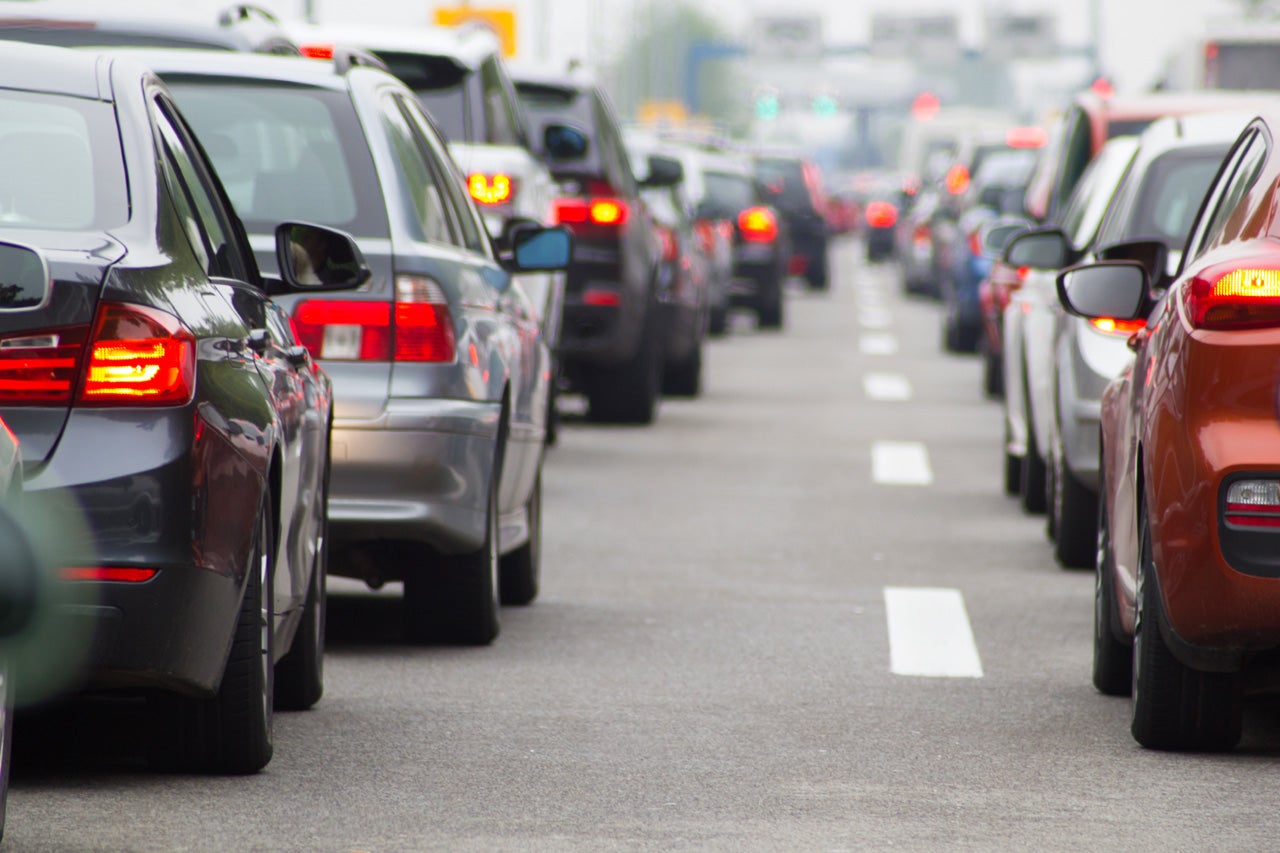
Driving slower than the flow of traffic may seem safer, but driving too slowly can be just as dangerous as speeding. Believe it or not, driving too far under the speed limit can interfere with the flow of traffic, frustrate other drivers, and even cause accidents. In Maryland, driving significantly below the speed limit or impeding traffic flow can also result in a ticket. With over 30 years of experience representing Maryland drivers, Attorney Hillel Traub understands the nuances of traffic laws that might seem uncommon, such as tickets for driving too slowly. At The Law Office of Hillel Traub, our extensive experience includes advocating for drivers in similar situations and navigating the complexities of Maryland’s traffic system, ensuring fair treatment in these often-overlooked cases. Table of Contents What You Should Know About Maryland’s Slow Driving Laws Minimum Speeds Left-Lane Driving Situations Where Slow Driving May Lead to a Ticket Highway Driving School Zones and Construction Areas Weather Conditions Potential Penalties for Driving Too Slowly on Maryland Roads Were You Penalized for Driving Too Slow in Maryland? What You Should Know About Maryland’s Slow Driving Laws Maryland’s “basic speed law” states that drivers should not operate their vehicle at a speed that impedes the normal and reasonable flow of traffic, regardless of the posted speed limit. This applies not only to speeding but also to excessively slow driving. A driver can be cited if driving at a slower pace interferes with other vehicles’ ability to maintain a consistent speed. Minimum Speeds While Maryland doesn’t enforce a minimum speed on all roads, specific roadways, particularly highways, often have minimum speed requirements. On such roads, driving below the minimum speed can lead to a ticket if there is no valid reason for it, such as severe weather, heavy traffic, or vehicle issues. Left-Lane Driving Maryland also enforces rules on left-lane driving. The left lane is meant for passing or faster-moving traffic. If you’re driving slower than the general flow, you should remain in the right lane to avoid disrupting traffic. Failing to follow this rule may lead to a citation and potentially fines. Situations Where Slow Driving May Lead to a Ticket Common scenarios in which driving too slowly might result in a traffic citation in Maryland include: Highway Driving On highways, slower vehicles in the left lane can quickly cause frustration and dangerous driving behavior when other drivers attempt to pass. Be sure to maintain an appropriate speed and use the right lanes if you are traveling at a slower pace to prevent impeding faster-moving traffic. School Zones and Construction Areas While driving slowly in school zones or construction areas is encouraged for safety, driving too slowly can disrupt the intended flow and create unexpected stops or congestion. Ensure you follow posted speeds to stay compliant with traffic flow expectations. Weather Conditions Maryland’s variable weather often requires drivers to slow down for safety, especially during rain, snow, or fog. While reducing speed in poor conditions is generally acceptable, driving excessively slowly, even in adverse weather, could still disrupt traffic flow. Drivers should maintain a reasonable pace, given the road and weather conditions. Potential Penalties for Driving Too Slowly on Maryland Roads Drivers who receive a ticket for slow driving may face various penalties, depending on the situation’s specifics. Potential penalties include: Fines: A ticket for slow driving usually results in fines, though the amount may vary based on the location and severity of the infraction. Fines are often higher for repeat offenses or violations on busy highways. Points on your license: In Maryland, traffic violations come with points added to your license. Accumulating too many points within a given timeframe can lead to license suspension. Increased insurance premiums: Receiving a traffic ticket, even for slow driving, may affect your insurance premiums. Insurance providers often review driving records to determine risk; multiple, citations can lead to higher rates. If you’ve received a slow-driving ticket, consulting with an attorney may be beneficial in navigating the situation and potentially reducing the impact on your record. Were You Penalized for Driving Too Slow in Maryland? Attorney Hillel Traub’s background as a former lawyer for the MVA gives him a unique perspective on how these slow-driving cases are prosecuted, enabling him to approach each client’s situation with precision and care. If you have been cited for driving too slowly in Maryland, The Law Office of Hillel Traub can help you mitigate the potential penalties, such as fines or points on your license. We aim to ensure you are treated fairly while minimizing the impact on your driving record and insurance rates. Call our office today at (410) 220-6976 or reach out through our contact form.

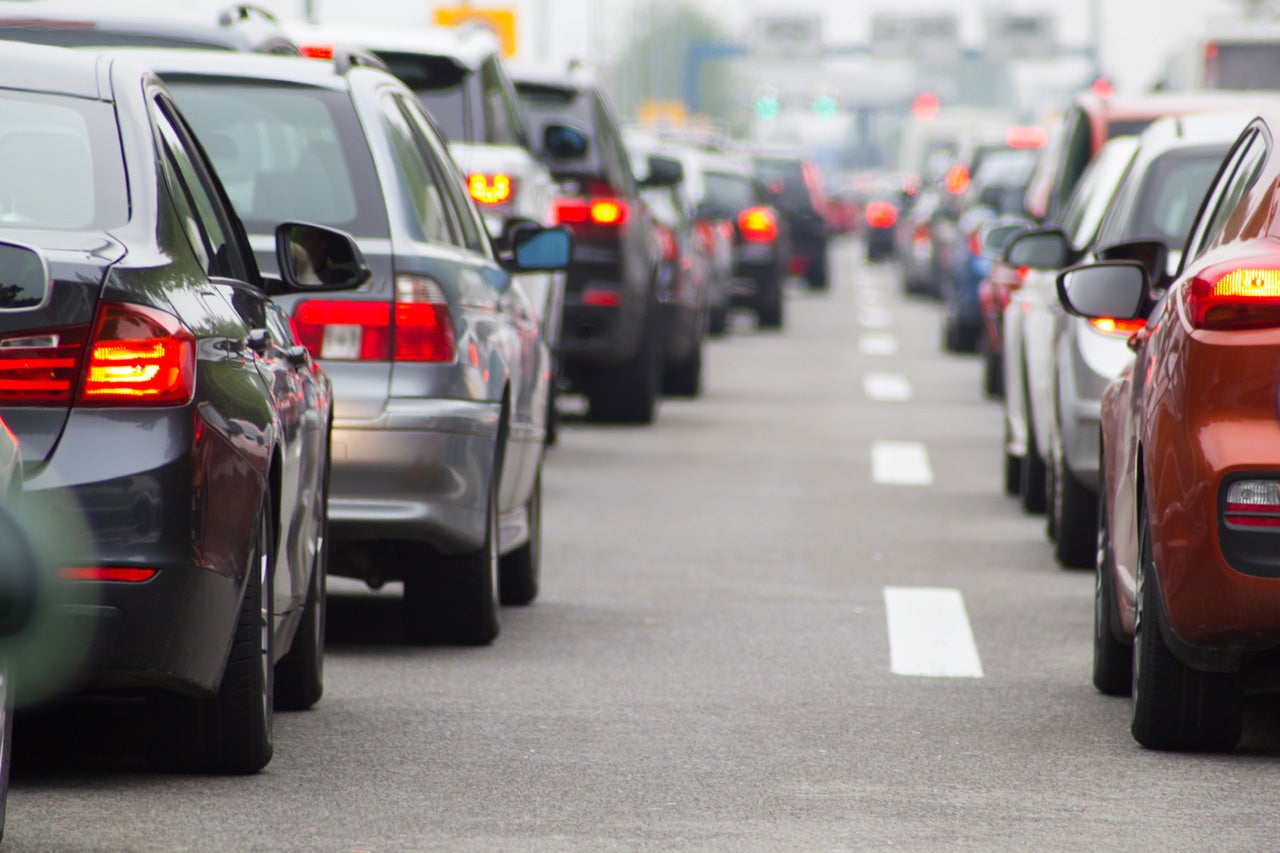
traffic jam

Can You Get a Ticket or Charges for Tailgating Another Driver?

Following the vehicle in front of you too closely is not only dangerous, but it could also land you with a ticket, cause you to face higher insurance rates, or even cause you to incur a reckless driving charge. With over 30 years of experience, The Law Office of Hillel Traub has helped hundreds of drivers across Maryland navigate various traffic violations. If you find you were charged with tailgating another vehicle, we may be able to help. As a former lawyer for the MVA, Attorney Hillel Traub has what it takes to assist you in addressing the charges and minimizing the impact on your driving record. Table of Contents What Is Tailgating? Legal Consequences of Tailgating Traffic Tickets Point Accumulation Reckless Driving Charges Civil Liability How We Can Help If You Are Facing Consequences for Tailgating Are You Facing Penalties for Tailgating in Maryland? Reach Out Today What Is Tailgating? Tailgating occurs when a driver follows another vehicle at a distance that is too close for safe stopping. This action can result from impatience, aggressive driving, or simply not paying attention to the road. Regardless of the reason, tailgating is risky and can lead to serious accidents. When you tailgate, you reduce the time you have to react to sudden changes in traffic, such as a vehicle braking unexpectedly. This increases the likelihood of a rear-end collision, which can cause significant injuries and damage. The consequences of such accidents can be severe, affecting not only the drivers involved but also passengers and pedestrians. Legal Consequences of Tailgating Tailgating can lead to significant legal troubles for drivers in Maryland, including: Traffic Tickets Tailgating is considered a traffic violation in Maryland. You could receive a citation if a law enforcement officer observes you following another vehicle too closely. Point Accumulation In Maryland, traffic violations can result in points being added to your driving record. For tailgating, you may receive two points for the infraction. Accumulating too many points can lead to increased insurance premiums and, in severe cases, the suspension of your driver’s license. Reckless Driving Charges In some instances, tailgating can escalate into reckless driving charges. If your behavior is deemed aggressive or dangerous, you could face harsher penalties, including fines and possible jail time. Reckless driving is a serious offense in Maryland and carries significant consequences. Civil Liability You may be liable for damages if tailgating results in an accident. This includes property damage and medical expenses for other parties involved. Being found at fault in an accident can have lasting financial implications and may require you to pay out of pocket for damages. How We Can Help If You Are Facing Consequences for Tailgating If you are facing legal consequences for tailgating, Attorney Hillel Traub will begin by assessing the details of your case and examining the circumstances surrounding the incident. This includes reviewing any evidence, such as police reports or witness statements. From there, Attorney Traub will help you understand the potential legal ramifications you might face, whether it is fines, points on your driving record, or even more severe consequences if an accident occurred. His goal is to help you minimize the impact of the charges against you. He may negotiate on your behalf to seek reduced penalties or alternative solutions, such as traffic school. Are You Facing Penalties for Tailgating in Maryland? Reach Out Today Tailgating can lead to serious legal consequences in Maryland, but you don’t have to face them alone. The Law Office of Hillel Traub understands how overwhelming it can be to navigate traffic violations and the potential penalties they carry. With over 30 years of experience, including as a former lawyer for the MVA, Attorney Traub can help you reduce fines, minimize points on your license, or negotiate alternatives to harsher penalties. If you’ve been charged with tailgating or other traffic violations, Attorney Traub will take the time to review your case thoroughly. Contact our office today at (410) 220-6976 or by filling out our contact form.

traffic jam

Can You Get a Ticket or Charges for Tailgating Another Driver?

Following the vehicle in front of you too closely is not only dangerous, but it could also land you with a ticket, cause you to face higher insurance rates, or even cause you to incur a reckless driving charge. With over 30 years of experience, The Law Office of Hillel Traub has helped hundreds of drivers across Maryland navigate various traffic violations. If you find you were charged with tailgating another vehicle, we may be able to help. As a former lawyer for the MVA, Attorney Hillel Traub has what it takes to assist you in addressing the charges and minimizing the impact on your driving record. Table of Contents What Is Tailgating? Legal Consequences of Tailgating Traffic Tickets Point Accumulation Reckless Driving Charges Civil Liability How We Can Help If You Are Facing Consequences for Tailgating Are You Facing Penalties for Tailgating in Maryland? Reach Out Today What Is Tailgating? Tailgating occurs when a driver follows another vehicle at a distance that is too close for safe stopping. This action can result from impatience, aggressive driving, or simply not paying attention to the road. Regardless of the reason, tailgating is risky and can lead to serious accidents. When you tailgate, you reduce the time you have to react to sudden changes in traffic, such as a vehicle braking unexpectedly. This increases the likelihood of a rear-end collision, which can cause significant injuries and damage. The consequences of such accidents can be severe, affecting not only the drivers involved but also passengers and pedestrians. Legal Consequences of Tailgating Tailgating can lead to significant legal troubles for drivers in Maryland, including: Traffic Tickets Tailgating is considered a traffic violation in Maryland. You could receive a citation if a law enforcement officer observes you following another vehicle too closely. Point Accumulation In Maryland, traffic violations can result in points being added to your driving record. For tailgating, you may receive two points for the infraction. Accumulating too many points can lead to increased insurance premiums and, in severe cases, the suspension of your driver’s license. Reckless Driving Charges In some instances, tailgating can escalate into reckless driving charges. If your behavior is deemed aggressive or dangerous, you could face harsher penalties, including fines and possible jail time. Reckless driving is a serious offense in Maryland and carries significant consequences. Civil Liability You may be liable for damages if tailgating results in an accident. This includes property damage and medical expenses for other parties involved. Being found at fault in an accident can have lasting financial implications and may require you to pay out of pocket for damages. How We Can Help If You Are Facing Consequences for Tailgating If you are facing legal consequences for tailgating, Attorney Hillel Traub will begin by assessing the details of your case and examining the circumstances surrounding the incident. This includes reviewing any evidence, such as police reports or witness statements. From there, Attorney Traub will help you understand the potential legal ramifications you might face, whether it is fines, points on your driving record, or even more severe consequences if an accident occurred. His goal is to help you minimize the impact of the charges against you. He may negotiate on your behalf to seek reduced penalties or alternative solutions, such as traffic school. Are You Facing Penalties for Tailgating in Maryland? Reach Out Today Tailgating can lead to serious legal consequences in Maryland, but you don’t have to face them alone. The Law Office of Hillel Traub understands how overwhelming it can be to navigate traffic violations and the potential penalties they carry. With over 30 years of experience, including as a former lawyer for the MVA, Attorney Traub can help you reduce fines, minimize points on your license, or negotiate alternatives to harsher penalties. If you’ve been charged with tailgating or other traffic violations, Attorney Traub will take the time to review your case thoroughly. Contact our office today at (410) 220-6976 or by filling out our contact form.

alcoholism

Can You Get a DUI After One Drink?

After a single drink, you might think you’re perfectly fine to drive. However, depending on several factors, even a small amount of alcohol could lead to a DUI charge. From the type of drink to your body composition, many variables are there are a lot of variables at play. In Maryland, the law doesn’t just look at how much you’ve had to drink – it also considers how it affects your driving. While one drink might not always lead to a DUI charge, Maryland’s strict DUI laws focus on impairment rather than quantity. Even a small amount of alcohol can affect judgment and reflexes. With over 30 years of experience, Attorney Hillel Traub has helped clients navigate Maryland’s complex DUI laws, offering dedicated representation tailored to each case. Table of Contents What to Know About DUIs in Maryland DUI vs. DWI Can One Drink Put You Over the Limit? Your Weight and Gender Type of Drink Time Between Drinks Food Intake Factors That Influence Whether You Will Be Arrested After One Drink Contact Attorney Hillel Traub for Help With DUI or DWI Charges in Maryland What to Know About DUIs in Maryland In Maryland, a DUI refers to driving with a blood alcohol concentration (BAC) of 0.08% or higher. This is the legal limit for most adult drivers. However, a DUI charge does not always require reaching that 0.08% threshold. Even if your BAC is lower, you can still be arrested and charged with impaired driving if an officer believes your ability to drive is compromised. DUI vs. DWI There are two primary types of charges related to alcohol and driving in Maryland: DUI (Driving Under the Influence): This charge applies when your BAC is 0.08% or higher or if you are impaired by alcohol to the point where it affects your ability to drive safely. DWI (Driving While Impaired): This charge is for drivers with a BAC between 0.04% and 0.07% or who are showing signs of impairment but haven’t reached the legal DUI threshold. The penalties for each type of drinking and driving charge can vary significantly depending on the circumstances of your specific situation. Can One Drink Put You Over the Limit? The answer to whether one drink can lead to a DUI depends on several factors, such as: Your Weight and Gender The more you weigh, the more water is in your body, which helps dilute alcohol. Lighter individuals typically experience a higher BAC after the same amount of alcohol. Women often experience a higher BAC than men after consuming the same amount of alcohol, even when weight is factored in. This is due to differences in body composition, including a higher percentage of body fat and lower water content in women. Type of Drink A “standard drink” typically contains about 0.6 ounces of pure alcohol. This is roughly equivalent to: 12 ounces of beer (5% alcohol) 5 ounces of wine (12% alcohol) 1.5 ounces of distilled spirits (40% alcohol, such as vodka or whiskey) If you have one drink and your BAC exceeds 0.08%, you could be charged with a DUI. Time Between Drinks Your BAC rises and falls depending on how quickly your body metabolizes alcohol. If you drink one beverage over an extended period, your body may have time to process it. However, if you consume the drink quickly, your BAC may peak before your body has a chance to process the alcohol, putting you at risk for impairment. Food Intake Drinking on an empty stomach can increase your BAC. Food in your stomach can slow the absorption of alcohol into your bloodstream, which may lower your BAC and reduce the likelihood of impairment. Factors That Influence Whether You Will Be Arrested After One Drink Even if your BAC does not exceed the legal limit, you can still be arrested for a DUI or DWI in Maryland if an officer believes your ability to drive is impaired. Officers are trained to look for certain signs of impairment, which include: Erratic driving: Swerving, speeding, or sudden braking can all signal that a driver may be under the influence. Physical signs of intoxication: Red or bloodshot eyes, slurred speech, or the smell of alcohol can lead an officer to suspect impairment, even if your BAC is under 0.08%. Field sobriety tests: Officers may ask you to perform roadside sobriety tests, such as walking in a straight line or balancing on one foot. If you fail these tests, you could be arrested for DUI, regardless of your BAC. If you have had one drink and are pulled over, remain calm and provide your driver’s license, registration, and insurance as requested. You have the right to refuse to answer questions about where you have been or what you have been drinking, though this may raise suspicion. Contact Attorney Hillel Traub for Help With DUI or DWI Charges in Maryland Facing a DUI charge, even after just one drink, can be overwhelming and confusing. At the Law Office of Hillel Traub, we understand the complexities of Maryland’s DUI and DWI laws and the significant impact these charges can have on your life. With over 30 years of legal experience, Attorney Hillel Traub has helped countless drivers defend against DUI allegations and minimize potential consequences. As a former lawyer for the MVA, Attorney Traub brings a unique perspective to DUI cases, offering tailored legal strategies to address each client’s unique circumstances. If you are facing DUI or DWI charges, let us help you protect your rights and pursue the best possible outcome. Call us at (410) 220-6976 or visit our contact form to get started today.

alcoholism

Can You Get a DUI After One Drink?

After a single drink, you might think you’re perfectly fine to drive. However, depending on several factors, even a small amount of alcohol could lead to a DUI charge. From the type of drink to your body composition, many variables are there are a lot of variables at play. In Maryland, the law doesn’t just look at how much you’ve had to drink – it also considers how it affects your driving. While one drink might not always lead to a DUI charge, Maryland’s strict DUI laws focus on impairment rather than quantity. Even a small amount of alcohol can affect judgment and reflexes. With over 30 years of experience, Attorney Hillel Traub has helped clients navigate Maryland’s complex DUI laws, offering dedicated representation tailored to each case. Table of Contents What to Know About DUIs in Maryland DUI vs. DWI Can One Drink Put You Over the Limit? Your Weight and Gender Type of Drink Time Between Drinks Food Intake Factors That Influence Whether You Will Be Arrested After One Drink Contact Attorney Hillel Traub for Help With DUI or DWI Charges in Maryland What to Know About DUIs in Maryland In Maryland, a DUI refers to driving with a blood alcohol concentration (BAC) of 0.08% or higher. This is the legal limit for most adult drivers. However, a DUI charge does not always require reaching that 0.08% threshold. Even if your BAC is lower, you can still be arrested and charged with impaired driving if an officer believes your ability to drive is compromised. DUI vs. DWI There are two primary types of charges related to alcohol and driving in Maryland: DUI (Driving Under the Influence): This charge applies when your BAC is 0.08% or higher or if you are impaired by alcohol to the point where it affects your ability to drive safely. DWI (Driving While Impaired): This charge is for drivers with a BAC between 0.04% and 0.07% or who are showing signs of impairment but haven’t reached the legal DUI threshold. The penalties for each type of drinking and driving charge can vary significantly depending on the circumstances of your specific situation. Can One Drink Put You Over the Limit? The answer to whether one drink can lead to a DUI depends on several factors, such as: Your Weight and Gender The more you weigh, the more water is in your body, which helps dilute alcohol. Lighter individuals typically experience a higher BAC after the same amount of alcohol. Women often experience a higher BAC than men after consuming the same amount of alcohol, even when weight is factored in. This is due to differences in body composition, including a higher percentage of body fat and lower water content in women. Type of Drink A “standard drink” typically contains about 0.6 ounces of pure alcohol. This is roughly equivalent to: 12 ounces of beer (5% alcohol) 5 ounces of wine (12% alcohol) 1.5 ounces of distilled spirits (40% alcohol, such as vodka or whiskey) If you have one drink and your BAC exceeds 0.08%, you could be charged with a DUI. Time Between Drinks Your BAC rises and falls depending on how quickly your body metabolizes alcohol. If you drink one beverage over an extended period, your body may have time to process it. However, if you consume the drink quickly, your BAC may peak before your body has a chance to process the alcohol, putting you at risk for impairment. Food Intake Drinking on an empty stomach can increase your BAC. Food in your stomach can slow the absorption of alcohol into your bloodstream, which may lower your BAC and reduce the likelihood of impairment. Factors That Influence Whether You Will Be Arrested After One Drink Even if your BAC does not exceed the legal limit, you can still be arrested for a DUI or DWI in Maryland if an officer believes your ability to drive is impaired. Officers are trained to look for certain signs of impairment, which include: Erratic driving: Swerving, speeding, or sudden braking can all signal that a driver may be under the influence. Physical signs of intoxication: Red or bloodshot eyes, slurred speech, or the smell of alcohol can lead an officer to suspect impairment, even if your BAC is under 0.08%. Field sobriety tests: Officers may ask you to perform roadside sobriety tests, such as walking in a straight line or balancing on one foot. If you fail these tests, you could be arrested for DUI, regardless of your BAC. If you have had one drink and are pulled over, remain calm and provide your driver’s license, registration, and insurance as requested. You have the right to refuse to answer questions about where you have been or what you have been drinking, though this may raise suspicion. Contact Attorney Hillel Traub for Help With DUI or DWI Charges in Maryland Facing a DUI charge, even after just one drink, can be overwhelming and confusing. At the Law Office of Hillel Traub, we understand the complexities of Maryland’s DUI and DWI laws and the significant impact these charges can have on your life. With over 30 years of legal experience, Attorney Hillel Traub has helped countless drivers defend against DUI allegations and minimize potential consequences. As a former lawyer for the MVA, Attorney Traub brings a unique perspective to DUI cases, offering tailored legal strategies to address each client’s unique circumstances. If you are facing DUI or DWI charges, let us help you protect your rights and pursue the best possible outcome. Call us at (410) 220-6976 or visit our contact form to get started today.

Can You Get a CDL License After Your License Has Been Downgraded?

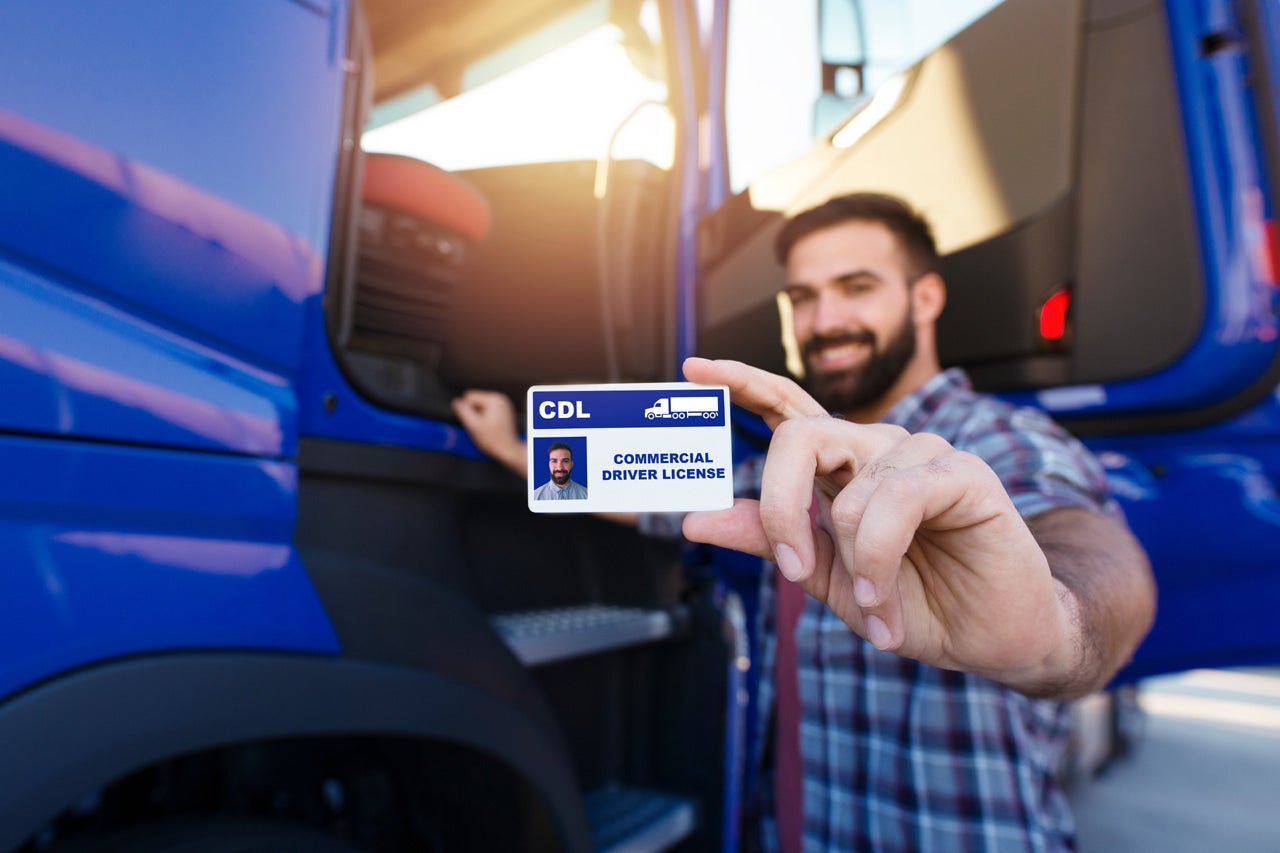
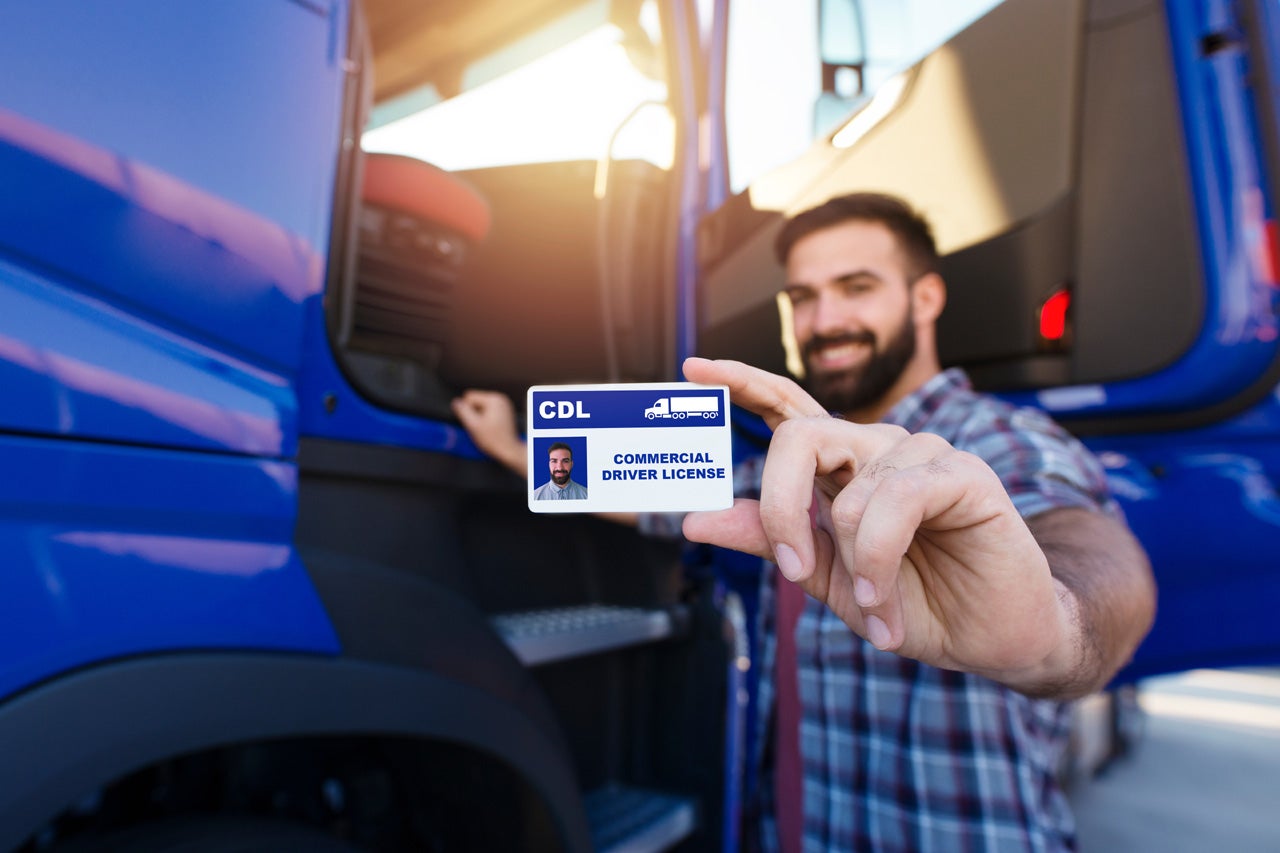
Securing a Class B CDL marks an impressive starting point in the trucking industry, but obtaining a Class A commercial driver’s license (CDL) can elevate your career even further. But what exactly sets these two apart? A Class B CDL qualifies you to drive single vehicles such as delivery trucks, dump trucks, buses, and cement mixers. On the other hand, acquiring a Class A CDL authorizes you to handle combinations of vehicles, including tractor-trailers, flatbeds, livestock carriers, and various truck and trailer combinations. Transitioning from a Class B to a Class A license broadens your employment prospects. As a Class A CDL holder, you are eligible to operate all vehicles that a Class B license covers, plus more complex combinations, typically resulting in higher compensation. This upgrade promises increased income and ensures more consistent employment and a more comprehensive range of job options. You may upgrade your CDL license anytime upon completing appropriate skills tests and compliance with MVA requirements. Table of Contents Differences Between CDL Class A, B, and C Licenses How to Upgrade Your Commercial Driver’s License in Maryland Speak With a CDL Violations Lawyer at The Law Office of Hillel Traub Differences Between CDL Class A, B, and C Licenses Here is an overview of the CDL classifications in Maryland: Class A: This classification is for vehicles with a Gross Combination Weight Rating of over 26,001 lbs and the capacity to tow vehicles over 10,000 pounds. With a Class A license, you are authorized to drive large vehicles like 18-wheelers and have the flexibility to operate any vehicle in the lower classes. Class B: Classification for vehicles with a Gross Vehicle Weight Rating of over 26,001 pounds or more but with a towing capacity of less than 10,000 pounds. Class C: This class includes vehicles with a GVWR of less than 26,001 pounds made to haul 16 or more passengers, including the driver. This class requires the driver to have an endorsement. According to 49 CFR 383.5, a “CDL downgrade” involves revoking commercial driving privileges. The regulation mandates that Maryland must finalize and document this downgrade within 60 days of being notified. There are two reasons why a CDL license may be downgraded in Maryland. The first is based on the fundamental and crucial safety principle that states drivers may be legally barred from operating a commercial vehicle due to drug or alcohol misuse or refusal to undergo testing and should not possess a valid Commercial Driver’s License (CDL). Additionally, when a driver is no longer medically qualified to operate a commercial vehicle, or if they choose not to be examined for such qualification, drivers must immediately visit a Maryland Motor Vehicle Administration (MVA) office to downgrade their non-commercial license. This process can also be initiated if a driver no longer needs a CDL’s commercial driving privileges. Attorney Hillel Traub was a former lawyer for the MVA and possesses specialized knowledge regarding CDL licensing requirements. If you have been charged with a CDL-related DUI or moving violation that may impact your driving privileges, contact us right away for an assessment of your case. How to Upgrade Your Commercial Driver’s License in Maryland You must first acquire a Maryland commercial learner’s permit. The process involves a vision screening and one or more knowledge tests. After obtaining your commercial learner’s permit, you must keep it for a minimum of 14 days. During this period, adhere to the following restrictions and requirements: A supervising driver who is at least 21 years old must be present. This driver should have possessed a valid CDL of the same or higher class for at least three years. They must have a Medical Examiner’s Certificate (DOT card) or its photocopy, an exemption/waiver if needed, and occupy the front seat without other front seat occupants. Always carry your DOT card (or its photocopy) and any applicable exemption or waiver. If your permit has a CDL Intrastate Only (K) restriction, you are limited to driving within Maryland. The next phase involves scheduling a skills test at an MVA full-service branch office. On your test day, bring the following: A suitable vehicle with valid registration. Your Maryland commercial learner’s permit and current CDL. Your Medical Examiner’s Certificate (DOT card), copy, and any waiver or exemption. A supervising driver if you are driving to the office. Glasses or contact lenses if required. TSA assessment letter for hazardous materials (H) endorsement, including the hazmat law test if not previously completed. At the office, you will first undergo the skills tests. Upon passing, an agent will: Collect your learner’s permit and current CDL. Take your photo (see MVA photo guidelines). Review your documents. Confirm your eligibility. Sign the application. After completing these steps, the agent will issue your new upgraded CDL. Speak With a CDL Violations Lawyer at The Law Office of Hillel Traub CDL licensing requirements are complex and may be impacted if you have been charged with a DUI or moving violation. At The Law Office of Hillel Traub, we have over 30 years of experience guiding CDL drivers through the legal process and protecting their livelihoods. As a former lawyer for the MVA, attorney Hillel Traub is here to help you understand Maryland’s licensing requirements and regulations. For a free consultation, call us today at (410) 220-6976 or fill out a contact form.

Can You Get a CDL License After Your License Has Been Downgraded?

Securing a Class B CDL marks an impressive starting point in the trucking industry, but obtaining a Class A commercial driver’s license (CDL) can elevate your career even further. But what exactly sets these two apart? A Class B CDL qualifies you to drive single vehicles such as delivery trucks, dump trucks, buses, and cement mixers. On the other hand, acquiring a Class A CDL authorizes you to handle combinations of vehicles, including tractor-trailers, flatbeds, livestock carriers, and various truck and trailer combinations. Transitioning from a Class B to a Class A license broadens your employment prospects. As a Class A CDL holder, you are eligible to operate all vehicles that a Class B license covers, plus more complex combinations, typically resulting in higher compensation. This upgrade promises increased income and ensures more consistent employment and a more comprehensive range of job options. You may upgrade your CDL license anytime upon completing appropriate skills tests and compliance with MVA requirements. Table of Contents Differences Between CDL Class A, B, and C Licenses How to Upgrade Your Commercial Driver’s License in Maryland Speak With a CDL Violations Lawyer at The Law Office of Hillel Traub Differences Between CDL Class A, B, and C Licenses Here is an overview of the CDL classifications in Maryland: Class A: This classification is for vehicles with a Gross Combination Weight Rating of over 26,001 lbs and the capacity to tow vehicles over 10,000 pounds. With a Class A license, you are authorized to drive large vehicles like 18-wheelers and have the flexibility to operate any vehicle in the lower classes. Class B: Classification for vehicles with a Gross Vehicle Weight Rating of over 26,001 pounds or more but with a towing capacity of less than 10,000 pounds. Class C: This class includes vehicles with a GVWR of less than 26,001 pounds made to haul 16 or more passengers, including the driver. This class requires the driver to have an endorsement. According to 49 CFR 383.5, a “CDL downgrade” involves revoking commercial driving privileges. The regulation mandates that Maryland must finalize and document this downgrade within 60 days of being notified. There are two reasons why a CDL license may be downgraded in Maryland. The first is based on the fundamental and crucial safety principle that states drivers may be legally barred from operating a commercial vehicle due to drug or alcohol misuse or refusal to undergo testing and should not possess a valid Commercial Driver’s License (CDL). Additionally, when a driver is no longer medically qualified to operate a commercial vehicle, or if they choose not to be examined for such qualification, drivers must immediately visit a Maryland Motor Vehicle Administration (MVA) office to downgrade their non-commercial license. This process can also be initiated if a driver no longer needs a CDL’s commercial driving privileges. Attorney Hillel Traub was a former lawyer for the MVA and possesses specialized knowledge regarding CDL licensing requirements. If you have been charged with a CDL-related DUI or moving violation that may impact your driving privileges, contact us right away for an assessment of your case. How to Upgrade Your Commercial Driver’s License in Maryland You must first acquire a Maryland commercial learner’s permit. The process involves a vision screening and one or more knowledge tests. After obtaining your commercial learner’s permit, you must keep it for a minimum of 14 days. During this period, adhere to the following restrictions and requirements: A supervising driver who is at least 21 years old must be present. This driver should have possessed a valid CDL of the same or higher class for at least three years. They must have a Medical Examiner’s Certificate (DOT card) or its photocopy, an exemption/waiver if needed, and occupy the front seat without other front seat occupants. Always carry your DOT card (or its photocopy) and any applicable exemption or waiver. If your permit has a CDL Intrastate Only (K) restriction, you are limited to driving within Maryland. The next phase involves scheduling a skills test at an MVA full-service branch office. On your test day, bring the following: A suitable vehicle with valid registration. Your Maryland commercial learner’s permit and current CDL. Your Medical Examiner’s Certificate (DOT card), copy, and any waiver or exemption. A supervising driver if you are driving to the office. Glasses or contact lenses if required. TSA assessment letter for hazardous materials (H) endorsement, including the hazmat law test if not previously completed. At the office, you will first undergo the skills tests. Upon passing, an agent will: Collect your learner’s permit and current CDL. Take your photo (see MVA photo guidelines). Review your documents. Confirm your eligibility. Sign the application. After completing these steps, the agent will issue your new upgraded CDL. Speak With a CDL Violations Lawyer at The Law Office of Hillel Traub CDL licensing requirements are complex and may be impacted if you have been charged with a DUI or moving violation. At The Law Office of Hillel Traub, we have over 30 years of experience guiding CDL drivers through the legal process and protecting their livelihoods. As a former lawyer for the MVA, attorney Hillel Traub is here to help you understand Maryland’s licensing requirements and regulations. For a free consultation, call us today at (410) 220-6976 or fill out a contact form.

Collision

Can You Fight a Ticket for Reckless Driving in Maryland?

You can fight a ticket for reckless driving in Maryland. However, you may want to seek legal counsel first. It is possible to fight the ticket on your own, but that could result in a worse outcome than simply paying it. Your best course of action is to discuss your case with a traffic violations attorney before taking action. A traffic violations attorney from The Law Office of Hillel Traub can help you fight reckless driving charges by collecting evidence and building a strong defense. We are here to protect your rights every step of the way. Table of Contents How Do You Fight a Ticket for Reckless Driving in Maryland? What is Reckless Driving? What Are the Penalties for Reckless Driving in Maryland? Should I Fight the Ticket or Just Pay It? Get Help From a Traffic Violations Attorney How Do You Fight a Ticket for Reckless Driving in Maryland? To effectively fight a ticket for reckless driving in Maryland, you and your lawyer will first gather all relevant evidence pertaining to your case. This could include photographs, witness statements, and any other documentation that can support your claim that you were not driving recklessly. We will also provide invaluable guidance on legal procedures and potential defenses you might employ in court. Once the evidence is prepared, the next step is to file a not guilty plea. This action will set the stage for your court appearance, where you and your lawyer can present your case against the charges. You must be well-prepared, as the judge will consider both your evidence and the prosecution’s arguments. Our competent traffic violations attorneys can help you structure your defense and present your case effectively, increasing your chances of a favorable outcome. What is Reckless Driving? Reckless driving in Maryland is defined as operating a vehicle in a manner that demonstrates a willful disregard for the safety of persons or property. This definition encompasses a variety of behaviors, including excessive speeding, aggressive lane changes, and tailgating. The law aims to distinguish between ordinary traffic violations and actions that pose a significant risk to public safety. In Maryland, the specifics of what constitutes reckless driving can vary based on the circumstances of each incident. Factors such as weather conditions, traffic density, and the actions of other drivers can all play a role. What Are the Penalties for Reckless Driving in Maryland? The penalties for reckless driving in Maryland can be quite severe. If convicted, you may face substantial fines, points on your driving record, and even potential jail time in extreme cases. Specifically, reckless driving is classified as a misdemeanor, which can lead to fines of up to $1,000 and up to a year of imprisonment. Accumulating points on your driving record can result in increased insurance premiums and the possibility of a suspended license. The long-term consequences of a reckless driving conviction can impact various aspects of your life, including employment opportunities and personal insurance rates. That’s why working with a traffic violations attorney can not only provide you with a clearer understanding of potential outcomes but can also help you navigate the complexities of the legal system to secure the best possible result. Should I Fight the Ticket or Just Pay It? Paying the ticket is often the simplest option, but it may lead to significant consequences, including fines and points on your driving record. On the other hand, contesting the ticket may require time and effort, but it could lead to a more favorable outcome if you have a strong defense. Evaluating the potential penalties and how they might affect your future is crucial in making this decision. Consider your driving history and the possible implications of a reckless driving conviction. If you have a clean record, fighting the ticket might be worth the effort to maintain that status. Conversely, if you have previous violations, the stakes may be higher, and seeking the advice of a traffic violations attorney can provide clarity on the best course of action. Weighing the pros and cons of each option will guide you in making an informed decision that aligns with your best interests. Get Help From a Traffic Violations Attorney Before you start fighting your reckless driving ticket, discuss your case with our traffic violations attorney at The Law Office of Hillel Traub. We can help you determine the best course of action and help you take the next steps. Having strong legal representation is one of the most important determining factors in how your case will go. Call The Law Office of Hillel Traub today at (410) 220-6976 or use our contact form.

Collision

Can You Fight a Ticket for Reckless Driving in Maryland?

You can fight a ticket for reckless driving in Maryland. However, you may want to seek legal counsel first. It is possible to fight the ticket on your own, but that could result in a worse outcome than simply paying it. Your best course of action is to discuss your case with a traffic violations attorney before taking action. A traffic violations attorney from The Law Office of Hillel Traub can help you fight reckless driving charges by collecting evidence and building a strong defense. We are here to protect your rights every step of the way. Table of Contents How Do You Fight a Ticket for Reckless Driving in Maryland? What is Reckless Driving? What Are the Penalties for Reckless Driving in Maryland? Should I Fight the Ticket or Just Pay It? Get Help From a Traffic Violations Attorney How Do You Fight a Ticket for Reckless Driving in Maryland? To effectively fight a ticket for reckless driving in Maryland, you and your lawyer will first gather all relevant evidence pertaining to your case. This could include photographs, witness statements, and any other documentation that can support your claim that you were not driving recklessly. We will also provide invaluable guidance on legal procedures and potential defenses you might employ in court. Once the evidence is prepared, the next step is to file a not guilty plea. This action will set the stage for your court appearance, where you and your lawyer can present your case against the charges. You must be well-prepared, as the judge will consider both your evidence and the prosecution’s arguments. Our competent traffic violations attorneys can help you structure your defense and present your case effectively, increasing your chances of a favorable outcome. What is Reckless Driving? Reckless driving in Maryland is defined as operating a vehicle in a manner that demonstrates a willful disregard for the safety of persons or property. This definition encompasses a variety of behaviors, including excessive speeding, aggressive lane changes, and tailgating. The law aims to distinguish between ordinary traffic violations and actions that pose a significant risk to public safety. In Maryland, the specifics of what constitutes reckless driving can vary based on the circumstances of each incident. Factors such as weather conditions, traffic density, and the actions of other drivers can all play a role. What Are the Penalties for Reckless Driving in Maryland? The penalties for reckless driving in Maryland can be quite severe. If convicted, you may face substantial fines, points on your driving record, and even potential jail time in extreme cases. Specifically, reckless driving is classified as a misdemeanor, which can lead to fines of up to $1,000 and up to a year of imprisonment. Accumulating points on your driving record can result in increased insurance premiums and the possibility of a suspended license. The long-term consequences of a reckless driving conviction can impact various aspects of your life, including employment opportunities and personal insurance rates. That’s why working with a traffic violations attorney can not only provide you with a clearer understanding of potential outcomes but can also help you navigate the complexities of the legal system to secure the best possible result. Should I Fight the Ticket or Just Pay It? Paying the ticket is often the simplest option, but it may lead to significant consequences, including fines and points on your driving record. On the other hand, contesting the ticket may require time and effort, but it could lead to a more favorable outcome if you have a strong defense. Evaluating the potential penalties and how they might affect your future is crucial in making this decision. Consider your driving history and the possible implications of a reckless driving conviction. If you have a clean record, fighting the ticket might be worth the effort to maintain that status. Conversely, if you have previous violations, the stakes may be higher, and seeking the advice of a traffic violations attorney can provide clarity on the best course of action. Weighing the pros and cons of each option will guide you in making an informed decision that aligns with your best interests. Get Help From a Traffic Violations Attorney Before you start fighting your reckless driving ticket, discuss your case with our traffic violations attorney at The Law Office of Hillel Traub. We can help you determine the best course of action and help you take the next steps. Having strong legal representation is one of the most important determining factors in how your case will go. Call The Law Office of Hillel Traub today at (410) 220-6976 or use our contact form.

maryland-speed-limit-laws

Can You Ever Drive Above the Speed Limit in Maryland?

Speeding is the most common traffic violation committed even by the most experienced drivers. Most motorists who’ve been pulled over for speeding assume they’re at fault and pay the fine. But what if they had a valid reason for speeding? Perhaps they had to do so for safety reasons or there was a medical emergency. Or maybe they just assumed that driving a few miles over the speed limit on the highway wasn’t actually against the law. It’s important to understand Maryland’s specific laws, as rules vary from state to state. Here’s everything you need to know. Table of Contents Understanding Maryland’s Speeding Laws How Can You Fight an “Absolute” Speeding Ticket in Maryland? Contact an Experienced Traffic Attorney in Baltimore After a Traffic Offense Understanding Maryland’s Speeding Laws Throughout the country, there are three different types of speed limits that can be enforced: absolute, presumed, and basic. Maryland enforces two of the three (basic and absolute). Here’s what you need to know: Absolute speeding law: There’s no trick to how these limits work: If the sign says the maximum speed limit is 40 miles per hour and you drive 41 miles per hour or more, you’ve violated the law. Basic speeding law: Basic speed laws state that no person can drive a vehicle at a speed greater than is reasonable, regardless of the posted speed limit. What a safe speed is will depend on the circumstances. For instance, 55 miles per hour might be safe on a bright, sunny day. But if it’s dark and the road is icy, going 55 miles per hour could be dangerous and a violation of the basic speeding law. In other words, in the state of Maryland, even going one mile over the posted speed limit is against the law, no matter the circumstances. Likewise, amid dangerous conditions, you can also be charged for speeding if you’re going too fast, even if it’s slower than the posted speed limit. How Can You Fight an “Absolute” Speeding Ticket in Maryland? The absolute speeding law in Maryland is often difficult to contest. However, there are a few defenses that you and your attorney should consider. Here are a few: Arguing the accuracy of the officer’s speed measurement: You can cast doubt on the police officer’s speed measurement or estimate if you can present enough evidence. For example, you can argue that the officer mistook your car for another car or their LIDAR reading wasn’t reliable because the device wasn’t properly calibrated. Mistaken identity: If a police officer clocks a driver speeding and subsequently has to find them again in traffic, it’s possible they made a mistake and pulled the wrong car over. Emergency situation: A driver may claim that an emergency caused them to break the speed limit in order to prevent injury or damage to themselves and others. This includes if the actions of the police forced you to speed, if you were being coerced, or if you were trapped. Securing the help of an expert speeding ticket attorney in Maryland is the first step to a successful defense. Contact an Experienced Traffic Attorney in Baltimore After a Traffic Offense If you’ve been cited for speeding or another serious traffic violation in Maryland, discuss your case with The Law Office of Hillel Traub. Attorney Hillel has extensive experience working with people who are accused of traffic violations and has previously worked as an Assistant Attorney General for the Maryland MVA. With his unique insight into the agency’s operations, he can make a strong case for you that may help you avoid the worst penalties of a traffic conviction. Hillel has a proven track record of eliminating or reducing fines and penalties associated with traffic tickets, citations, and other violations. Our legal team is here to fight for your rights. To discuss your traffic ticket for free, call (410) 220-6976 today or complete our contact form.

maryland-speed-limit-laws

Can You Ever Drive Above the Speed Limit in Maryland?

Speeding is the most common traffic violation committed even by the most experienced drivers. Most motorists who’ve been pulled over for speeding assume they’re at fault and pay the fine. But what if they had a valid reason for speeding? Perhaps they had to do so for safety reasons or there was a medical emergency. Or maybe they just assumed that driving a few miles over the speed limit on the highway wasn’t actually against the law. It’s important to understand Maryland’s specific laws, as rules vary from state to state. Here’s everything you need to know. Table of Contents Understanding Maryland’s Speeding Laws How Can You Fight an “Absolute” Speeding Ticket in Maryland? Contact an Experienced Traffic Attorney in Baltimore After a Traffic Offense Understanding Maryland’s Speeding Laws Throughout the country, there are three different types of speed limits that can be enforced: absolute, presumed, and basic. Maryland enforces two of the three (basic and absolute). Here’s what you need to know: Absolute speeding law: There’s no trick to how these limits work: If the sign says the maximum speed limit is 40 miles per hour and you drive 41 miles per hour or more, you’ve violated the law. Basic speeding law: Basic speed laws state that no person can drive a vehicle at a speed greater than is reasonable, regardless of the posted speed limit. What a safe speed is will depend on the circumstances. For instance, 55 miles per hour might be safe on a bright, sunny day. But if it’s dark and the road is icy, going 55 miles per hour could be dangerous and a violation of the basic speeding law. In other words, in the state of Maryland, even going one mile over the posted speed limit is against the law, no matter the circumstances. Likewise, amid dangerous conditions, you can also be charged for speeding if you’re going too fast, even if it’s slower than the posted speed limit. How Can You Fight an “Absolute” Speeding Ticket in Maryland? The absolute speeding law in Maryland is often difficult to contest. However, there are a few defenses that you and your attorney should consider. Here are a few: Arguing the accuracy of the officer’s speed measurement: You can cast doubt on the police officer’s speed measurement or estimate if you can present enough evidence. For example, you can argue that the officer mistook your car for another car or their LIDAR reading wasn’t reliable because the device wasn’t properly calibrated. Mistaken identity: If a police officer clocks a driver speeding and subsequently has to find them again in traffic, it’s possible they made a mistake and pulled the wrong car over. Emergency situation: A driver may claim that an emergency caused them to break the speed limit in order to prevent injury or damage to themselves and others. This includes if the actions of the police forced you to speed, if you were being coerced, or if you were trapped. Securing the help of an expert speeding ticket attorney in Maryland is the first step to a successful defense. Contact an Experienced Traffic Attorney in Baltimore After a Traffic Offense If you’ve been cited for speeding or another serious traffic violation in Maryland, discuss your case with The Law Office of Hillel Traub. Attorney Hillel has extensive experience working with people who are accused of traffic violations and has previously worked as an Assistant Attorney General for the Maryland MVA. With his unique insight into the agency’s operations, he can make a strong case for you that may help you avoid the worst penalties of a traffic conviction. Hillel has a proven track record of eliminating or reducing fines and penalties associated with traffic tickets, citations, and other violations. Our legal team is here to fight for your rights. To discuss your traffic ticket for free, call (410) 220-6976 today or complete our contact form.

dispute-speed-camera-ticket

Can You Dispute a Speed Camera Ticket in Maryland?

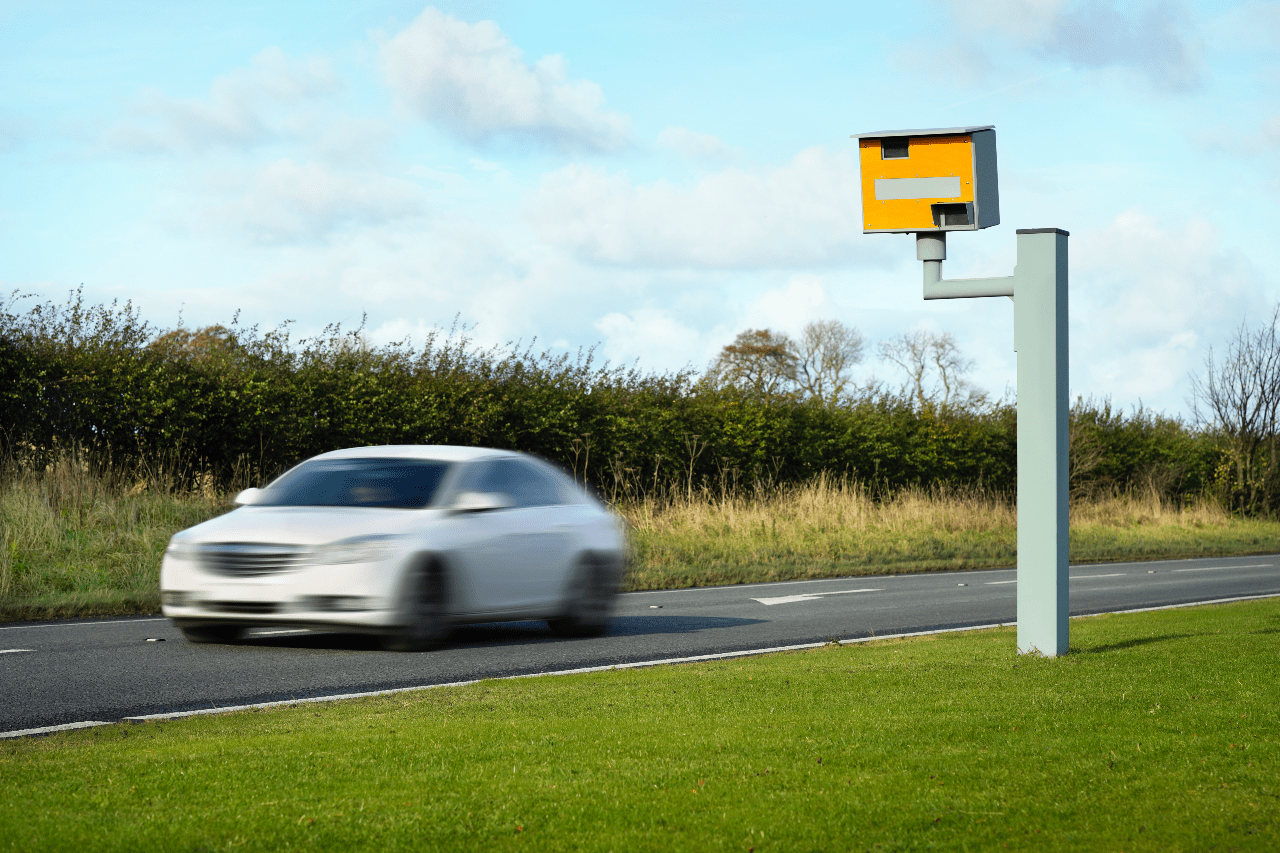
Speed cameras have become more common across the country in recent years. More specifically, officials place them in high-traffic areas, school zones, and dangerous intersections. With any piece of technology, there may be errors. If you believe you weren’t speeding, you may wonder if you’re able to dispute the ticket. The good news is that you can dispute speed camera tickets. However, this is very challenging to do, which is why you may want to hire a traffic violation attorney to assist you. Table of Contents What Are Speed Cameras? Pros of Speed Cameras Cons of Speed Cameras Why Should I Dispute the Citation? How to Dispute a Photo-Enforced Speeding Ticket in Maryland Contact a Skilled Traffic Violation Attorney in Maryland What Are Speed Cameras? Speed cameras can detect vehicles’ speed through radar technology or detectors built into the roadway’s surface. If a vehicle’s speed is at least 12 miles over the speed limit, a photo is taken, stored, and a ticket is sent to the driver’s house. Since their introduction, a debate has raged whether speed cameras help with driver and pedestrian safety. There are some pros and cons of using speed cameras. Pros of Speed Cameras There are many pros to speed cameras. It’s hard to deny that just the knowledge of speed cameras in the area will convince a driver to slow down. Speed cameras also reduce the possibility of a driver accusing law enforcement of pulling them over without probable cause. Cons of Speed Cameras Those who oppose speed cameras argue that the knowledge of speed cameras in an area encourages drivers to drive below the speed limit, causing a safety hazard. Also, it’s a constitutional right for a person accused of a crime to face their accuser. But with speed cameras, there is no human to confront. Why Should I Dispute the Citation? In any case, you have the legal right to request a court hearing. Besides wanting to prove your innocence, there are many other reasons to dispute the ticket: There may have been a camera error. You were not the person driving the car. Other cars were in the image, and the camera flagged you by accident. Speed limit signs were obstructed. You didn’t receive the ticket in a timely manner. Proving a defense will be challenging, so you must have proper documentation or photographs to help your case. How to Dispute a Photo-Enforced Speeding Ticket in Maryland Maryland drivers have three options when disputing a photo speed ticket: pay the fine, plead guilty with an explanation, or request a trial. Speeding camera ticket fines are $40, but paying the fine is an admission of guilt. You won’t get points on your license because it is a civil citation. Fortunately, insurance providers are not usually notified of speed camera tickets. A waiver hearing usually ends with you still paying the fine, but you may be able to convince the judge to reduce the amount. However, you’ll still be guilty of the offense. Requesting a trial is the only way you can plead “not guilty.” To do this, your attorney will have to prove that you’re not guilty beyond a reasonable doubt and cast doubt on the state’s case against you. If you want to avoid a negative mark on your driving record, your best bet is to contact a knowledgeable traffic violation attorney who will fight for you during a trial. Contact a Skilled Traffic Violation Attorney in Maryland If you received a speed camera ticket, you have a right to fight the citation. For your case to be successful, though, you need an attorney on your side. Attorney Hillel Traub is Maryland’s top choice for fighting traffic violations. As a former Assistant Attorney General for the Maryland Motor Vehicle Administration, Attorney Traub thoroughly understands the agency’s workings and knows how to create a viable defense. For more than 20 years, he has helped Maryland residents fight their traffic violations, and he’ll do the same for you. Call (410) 220-6976 or complete a contact form to schedule a free consultation.

Contact Us

Fill out this form below and we'll contact you shortly
*Required Fields