Blog

All Traffic Violations CLD Violations Personal Injury Traffic Ticket
new car

Can You Take Legal Action If You Are the Victim of Dealership Fraud When Buying a Car?

The car-buying process should be straightforward, but dishonest dealership practices can complicate what should be a simple transaction. Fraudulent tactics, like hiding information about the car’s history or inflating financing terms, can lead to financial losses and unnecessary stress. If you were exploited by a car dealership, you may be able to take legal action against them. Spotting dealership fraud requires a keen eye and knowledge of the tactics that unscrupulous sellers use. With over 30 years of experience, Attorney Hillel Traub has successfully helped Maryland clients navigate complex legal issues, including those stemming from misleading car sales practices. From hidden fees to falsified loan terms, Attorney Traub can help you assess your situation and hold the responsible party accountable. Table of Contents What Is Dealership Fraud? What To Do If You Were a Victim of Dealership Fraud Gather Evidence Report the Fraud Consult an Attorney Schedule a Consultation with Attorney Hillel Traub What Is Dealership Fraud? Dealership fraud occurs when a car dealer uses deceptive practices to manipulate the terms of a sale or mislead a buyer. These tactics can result in financial harm or leave the buyer stuck with a vehicle that isn’t what they bargained for. Common types of dealership fraud include: False advertising: Promoting deals or features that don’t exist. Undisclosed vehicle damage: Selling cars with prior accidents or hidden mechanical issues. Odometer tampering: Rolling back the odometer to make a car appear less used. Financing fraud: Misrepresenting loan terms, interest rates, or monthly payments. Title washing: Selling a car with a salvaged title as though it’s clean. Hidden fees: Adding charges without the buyer’s knowledge or consent. Identifying fraud as early as possible can save you from unnecessary financial loss. Look out for warning signs such as discrepancies in paperwork, unexplained fees, pressure tactics, and missing documentation. Ultimately, if something doesn’t feel right, trust your instincts and dig deeper into the details of your purchase. What To Do If You Were a Victim of Dealership Fraud Dealership fraud isn’t just unethical—it’s often illegal. Federal and state laws are in place to protect car buyers from deceptive practices. Taking immediate action is crucial if you believe you’ve been a victim of dealership fraud. If the dealership misrepresented any details about the car or engaged in deceptive practices, you could seek compensation for damages, including the cost of the vehicle and any additional expenses incurred. Here’s what to do to protect your rights if you were a victim of dealership fraud in Maryland: Gather Evidence Collect all documentation related to the purchase, including the sales contract, financing agreement, advertisements, and any communication with the dealership. Photos of the vehicle and odometer readings can also be helpful. Report the Fraud File a complaint with the following organizations: The FTC: Submit a complaint online at ftc.gov/complaint. The Maryland Attorney General: File a complaint here: https://www.marylandattorneygeneral.gov/Pages/CPD/Complaint.aspx. The Better Business Bureau (BBB): While not a legal entity, the BBB can help mediate disputes. You can submit complaints here: https://www.bbb.org/file-a-complaint. Reporting fraud to these organizations can help protect others from falling victim to similar schemes. Consult an Attorney An experienced attorney can evaluate your case, explain your legal options, and help you pursue compensation. Depending on the nature of the fraud, you may be able to sue for: Reimbursement of financial losses Rescission of the purchase contract Punitive damages for intentional wrongdoing Some car dealerships may require disputes to go through arbitration or mediation rather than a lawsuit. However, legal counsel can help you navigate the process even in such cases. Schedule a Consultation with Attorney Hillel Traub If you’ve fallen victim to dealership fraud, you don’t have to face the challenge of seeking justice alone. With over 30 years of legal experience, Attorney Hillel Traub has helped countless Maryland residents protect their rights and recover losses caused by deceptive practices. His deep understanding of consumer protection laws and dedication to client advocacy ensures a thorough approach to your case. Whether you’re facing false advertising, financing fraud, or hidden fees, Attorney Traub can assess your situation and guide you toward a resolution. As a former lawyer for the MVA, he brings unique insights and tailored strategies to every case. Call (410) 220-6976 or visit our contact form to schedule a consultation.

Can You Sue a Dealer for Selling a Recalled or Unsafe Vehicle?

Yes, you can sue a car dealer for selling a recalled or unsafe vehicle, depending on your state’s laws and the specific circumstances of your case. When dealers knowingly sell vehicles with active safety recalls or misrepresent a vehicle’s safety status, they may be violating state consumer protection laws, committing fraud, or breaching their warranty obligations. At The Law Office of Hillel Traub, we understand the frustration and potential danger of purchasing a vehicle only to discover it has unresolved safety recalls or hidden defects. With over 30 years of experience, including as a former lawyer for the Maryland Motor Vehicle Administration (MVA), attorney Hillel Traub has the knowledge and experience to help Maryland consumers who have been victimized by dealership fraud or misrepresentation. Table of Contents Understanding Vehicle Recalls and Dealer Obligations Legal Remedies for Purchasing a Recalled Vehicle Breach of Warranty Claims Consumer Protection Law Violations Fraud and Misrepresentation Claims Protecting Yourself When Buying a Vehicle Contact an Experienced Maryland Auto Fraud Attorney Understanding Vehicle Recalls and Dealer Obligations Vehicle recalls occur when manufacturers or the National Highway Traffic Safety Administration (NHTSA) determine that a vehicle has a safety-related defect or fails to meet minimum safety standards. These recalls can range from minor issues to serious safety hazards that could potentially cause accidents, injuries, or even fatalities. In most states, dealers are not explicitly prohibited from selling used vehicles with open recalls. However, they are generally required to disclose known material facts about a vehicle’s condition. Selling a recalled vehicle without disclosure may constitute: Misrepresentation or fraud if the dealer actively concealed the recall status Violation of implied warranties that the vehicle is reasonably safe for its intended use Breach of express warranties if the dealer claimed the vehicle was inspected for safety Violation of state consumer protection laws that prohibit deceptive business practices Negligence is if the dealer failed to exercise reasonable care in their inspection process Every case is unique, and your legal options will depend on factors such as whether the dealer knew about the recall, the nature of the safety defect, and whether you suffered actual damages. Legal Remedies for Purchasing a Recalled Vehicle If you discover your recently purchased vehicle has an open recall or undisclosed safety issue, you may have several legal remedies available. Breach of Warranty Claims Most vehicle sales include implied warranties of merchantability, meaning the vehicle should be reasonably safe and fit for transportation. When a dealer sells a car with an active safety recall without disclosure, they may be breaching this warranty. Additionally, if the dealer provided any express warranties regarding the vehicle’s safety or condition, these could form the basis of a legal claim. Before pursuing a breach of warranty claim, review your purchase documents carefully. Some dealerships include “as-is” clauses attempting to disclaim these warranties, though consumer protection laws may limit their effectiveness in cases involving safety issues. Consumer Protection Law Violations Maryland’s Consumer Protection Act prohibits unfair or deceptive trade practices, including misrepresentations about a product’s characteristics or standards. Dealers who fail to disclose known safety recalls or misrepresent a vehicle’s condition may be violating these laws. Consumer protection claims often allow for recovery of actual damages, attorney’s fees, and, in some cases, punitive damages intended to punish particularly egregious conduct. Fraud and Misrepresentation Claims If the dealer knowingly concealed information about a recall or safety defect, you might have grounds for a fraud claim. To succeed, you generally need to prove the dealer knew about the issue, intentionally concealed or misrepresented it, and you relied on that misrepresentation when purchasing the vehicle. Fraud claims typically require more evidence of intentional wrongdoing but can potentially result in higher damage awards, including punitive damages in serious cases. Protecting Yourself When Buying a Vehicle The best protection against purchasing a recalled vehicle is thorough research before completing the purchase. Consider these preventative measures: Check the vehicle’s VIN on the NHTSA website to see if it has any open recalls Request service records and vehicle history reports before purchase Have an independent mechanic inspect the vehicle prior to signing any agreements Get all dealer promises and representations about the vehicle’s condition in writing Review all documents thoroughly before signing, particularly anything referring to “as-is” sales Keep detailed records of all communications with the dealer regarding the vehicle’s condition Taking these steps not only helps you avoid purchasing an unsafe vehicle but also strengthens your case if you later discover problems with the vehicle. Contact an Experienced Maryland Auto Fraud Attorney Discovering your newly purchased vehicle has an undisclosed recall or safety defect can be alarming and frustrating. As a former attorney for the MVA with over 30 years of experience, Hillel Traub has the knowledge to effectively represent consumers who have been victimized by auto dealer fraud in Maryland. Don’t face this complex situation alone. For a thorough evaluation of your case and to discuss your legal options, call us at (410) 220-6976 or reach out through our contact form.

Can You Sue a Dealer for Selling a Recalled or Unsafe Vehicle?

Yes, you can sue a car dealer for selling a recalled or unsafe vehicle, depending on your state’s laws and the specific circumstances of your case. When dealers knowingly sell vehicles with active safety recalls or misrepresent a vehicle’s safety status, they may be violating state consumer protection laws, committing fraud, or breaching their warranty obligations. At The Law Office of Hillel Traub, we understand the frustration and potential danger of purchasing a vehicle only to discover it has unresolved safety recalls or hidden defects. With over 30 years of experience, including as a former lawyer for the Maryland Motor Vehicle Administration (MVA), attorney Hillel Traub has the knowledge and experience to help Maryland consumers who have been victimized by dealership fraud or misrepresentation. Table of Contents Understanding Vehicle Recalls and Dealer Obligations Legal Remedies for Purchasing a Recalled Vehicle Breach of Warranty Claims Consumer Protection Law Violations Fraud and Misrepresentation Claims Protecting Yourself When Buying a Vehicle Contact an Experienced Maryland Auto Fraud Attorney Understanding Vehicle Recalls and Dealer Obligations Vehicle recalls occur when manufacturers or the National Highway Traffic Safety Administration (NHTSA) determine that a vehicle has a safety-related defect or fails to meet minimum safety standards. These recalls can range from minor issues to serious safety hazards that could potentially cause accidents, injuries, or even fatalities. In most states, dealers are not explicitly prohibited from selling used vehicles with open recalls. However, they are generally required to disclose known material facts about a vehicle’s condition. Selling a recalled vehicle without disclosure may constitute: Misrepresentation or fraud if the dealer actively concealed the recall status Violation of implied warranties that the vehicle is reasonably safe for its intended use Breach of express warranties if the dealer claimed the vehicle was inspected for safety Violation of state consumer protection laws that prohibit deceptive business practices Negligence is if the dealer failed to exercise reasonable care in their inspection process Every case is unique, and your legal options will depend on factors such as whether the dealer knew about the recall, the nature of the safety defect, and whether you suffered actual damages. Legal Remedies for Purchasing a Recalled Vehicle If you discover your recently purchased vehicle has an open recall or undisclosed safety issue, you may have several legal remedies available. Breach of Warranty Claims Most vehicle sales include implied warranties of merchantability, meaning the vehicle should be reasonably safe and fit for transportation. When a dealer sells a car with an active safety recall without disclosure, they may be breaching this warranty. Additionally, if the dealer provided any express warranties regarding the vehicle’s safety or condition, these could form the basis of a legal claim. Before pursuing a breach of warranty claim, review your purchase documents carefully. Some dealerships include “as-is” clauses attempting to disclaim these warranties, though consumer protection laws may limit their effectiveness in cases involving safety issues. Consumer Protection Law Violations Maryland’s Consumer Protection Act prohibits unfair or deceptive trade practices, including misrepresentations about a product’s characteristics or standards. Dealers who fail to disclose known safety recalls or misrepresent a vehicle’s condition may be violating these laws. Consumer protection claims often allow for recovery of actual damages, attorney’s fees, and, in some cases, punitive damages intended to punish particularly egregious conduct. Fraud and Misrepresentation Claims If the dealer knowingly concealed information about a recall or safety defect, you might have grounds for a fraud claim. To succeed, you generally need to prove the dealer knew about the issue, intentionally concealed or misrepresented it, and you relied on that misrepresentation when purchasing the vehicle. Fraud claims typically require more evidence of intentional wrongdoing but can potentially result in higher damage awards, including punitive damages in serious cases. Protecting Yourself When Buying a Vehicle The best protection against purchasing a recalled vehicle is thorough research before completing the purchase. Consider these preventative measures: Check the vehicle’s VIN on the NHTSA website to see if it has any open recalls Request service records and vehicle history reports before purchase Have an independent mechanic inspect the vehicle prior to signing any agreements Get all dealer promises and representations about the vehicle’s condition in writing Review all documents thoroughly before signing, particularly anything referring to “as-is” sales Keep detailed records of all communications with the dealer regarding the vehicle’s condition Taking these steps not only helps you avoid purchasing an unsafe vehicle but also strengthens your case if you later discover problems with the vehicle. Contact an Experienced Maryland Auto Fraud Attorney Discovering your newly purchased vehicle has an undisclosed recall or safety defect can be alarming and frustrating. As a former attorney for the MVA with over 30 years of experience, Hillel Traub has the knowledge to effectively represent consumers who have been victimized by auto dealer fraud in Maryland. Don’t face this complex situation alone. For a thorough evaluation of your case and to discuss your legal options, call us at (410) 220-6976 or reach out through our contact form.

Can You Sue a Police Officer for Violating Your Legal Rights During a Traffic Stop in Maryland?

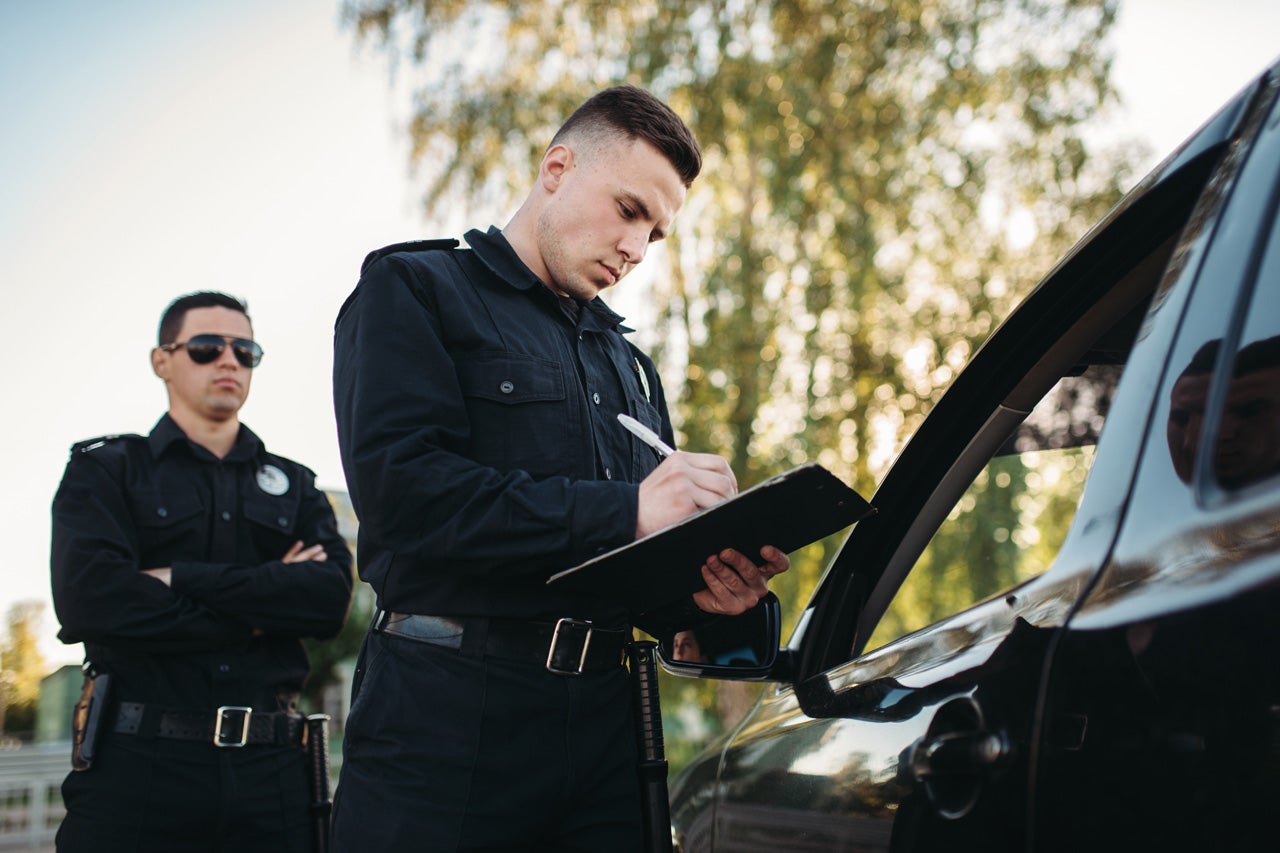
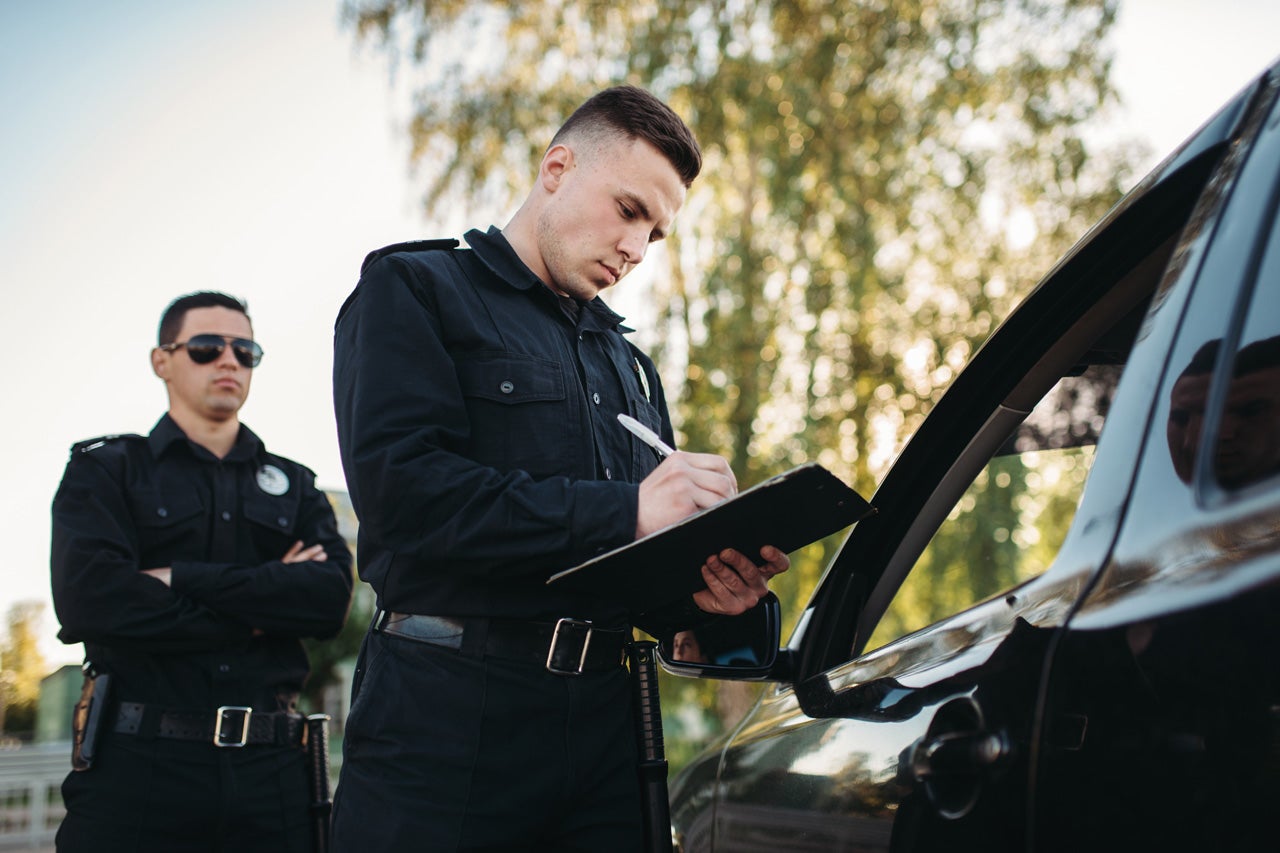
Drivers who have had a bad experience with law enforcement, even incidents not involving physical injuries, may wonder if there is legal recourse for violations of your legal rights during a traffic stop. Violations of rights cases are serious, and gathering compelling evidence is essential to strengthening the validity of your claims. Lawsuits against police officers are complex and require the legal guidance of an experienced Maryland lawyer. Police officers are not above the law. If you have been a victim of police abuse or misconduct during a traffic stop, attorney Hillel Traub at The Law Office of Hillel Traub can help you assess if you have grounds for a lawsuit against the officer. With over 30 years of experience and an extensive track record of success. He is well-versed in building complex cases to protect your legal rights and seeking the maximum damages you deserve for police misconduct or abuse during a traffic stop. Table of Contents When Can You Sue a Police Officer for Violating Your Legal Rights During a Traffic Stop? Types of Claims You May Seek Against a Police Officer Emotional Distress Misconduct Violation of Legal Rights Speak With an Experienced Maryland Traffic Lawyer at the Law Office of Hillel Traub When Can You Sue a Police Officer for Violating Your Legal Rights During a Traffic Stop? There are specific circumstances where you may be eligible to seek legal action against a police officer for violating your rights during a traffic stop. These types of lawsuits are very challenging and require the legal counsel of an experienced lawyer to guide you through your best legal options. There are several types of police misconduct or abuse that may occur at a traffic stop, including the following: Police brutality Acts of corruption Perjury Falsification of evidence Racial profiling False arrest Coercion Fraud Abuse of authority Spoliation of evidence Sexual or physical assault Federal and state laws protect individuals from abuse or misconduct that occur by government officials. However, police officers have legal protections, including qualified immunity, which only holds them accountable if they violate someone’s legal rights, as shown through existing case law. Qualified immunity does not apply if there’s evidence that a police officer acted intentionally in an unlawful manner. An experienced lawyer can help you determine all liable parties who have violated your legal rights and what compensatory damages they may be accountable for. Types of Claims You May Seek Against a Police Officer In a civil lawsuit against a police officer, the jury involved will assess whether the officer’s actions satisfied specific civil lawsuit elements or if the officer was responding in fear of their safety. The following are the types of claims you may seek against a police officer: Emotional Distress You may sue a police officer for infliction of emotional distress for either a reckless, negligent, or intentional act that causes emotional injury or suffering. The court may consider the following when determining whether there was an infliction of emotional distress: The officer was aware the victim was susceptible to emotional distress There was a clear pattern of misconduct The officer was in a position of power To prove emotional distress, you must prove that the officer acted with extreme and outrageous behavior that doesn’t adhere to societal norms. Misconduct The most common misconduct claims include the following: Discrimination False arrest Excessive force Harassment It is essential to provide evidence of a pattern of behavior, such as surveilling or spying on you illegally, making racist, homophobic, or sexist comments, or racial profiling. You may prove misconduct using dashcam footage or other video footage, photos, witness testimony, or other forms of evidence. Violation of Legal Rights Under 42 U.S.C. § 1983, police officers are prohibited from violating citizens’ civil rights under the US Constitution. If your legal rights have been violated, you may sue a law enforcement officer, the police department, or the Department of Justice. Speak With an Experienced Maryland Traffic Lawyer at the Law Office of Hillel Traub Many victims of police abuse or misconduct believe they don’t have any legal recourse against a police officer who abused their power during a traffic stop. At The Law Office of Hillel Traub, we are committed to fighting for police abuse victims to get them the justice they deserve. We can help you build a compelling case by investigating the incident, obtaining valuable evidence, and interviewing eyewitnesses. Attorney Hillel Traub is a former lawyer for the MVA with over 30 years of experience and an extensive record of proven results. Schedule a no-cost consultation by calling (410) 220-6976 or filling out our contact form.

Can You Sue a Police Officer for Violating Your Legal Rights During a Traffic Stop in Maryland?

Drivers who have had a bad experience with law enforcement, even incidents not involving physical injuries, may wonder if there is legal recourse for violations of your legal rights during a traffic stop. Violations of rights cases are serious, and gathering compelling evidence is essential to strengthening the validity of your claims. Lawsuits against police officers are complex and require the legal guidance of an experienced Maryland lawyer. Police officers are not above the law. If you have been a victim of police abuse or misconduct during a traffic stop, attorney Hillel Traub at The Law Office of Hillel Traub can help you assess if you have grounds for a lawsuit against the officer. With over 30 years of experience and an extensive track record of success. He is well-versed in building complex cases to protect your legal rights and seeking the maximum damages you deserve for police misconduct or abuse during a traffic stop. Table of Contents When Can You Sue a Police Officer for Violating Your Legal Rights During a Traffic Stop? Types of Claims You May Seek Against a Police Officer Emotional Distress Misconduct Violation of Legal Rights Speak With an Experienced Maryland Traffic Lawyer at the Law Office of Hillel Traub When Can You Sue a Police Officer for Violating Your Legal Rights During a Traffic Stop? There are specific circumstances where you may be eligible to seek legal action against a police officer for violating your rights during a traffic stop. These types of lawsuits are very challenging and require the legal counsel of an experienced lawyer to guide you through your best legal options. There are several types of police misconduct or abuse that may occur at a traffic stop, including the following: Police brutality Acts of corruption Perjury Falsification of evidence Racial profiling False arrest Coercion Fraud Abuse of authority Spoliation of evidence Sexual or physical assault Federal and state laws protect individuals from abuse or misconduct that occur by government officials. However, police officers have legal protections, including qualified immunity, which only holds them accountable if they violate someone’s legal rights, as shown through existing case law. Qualified immunity does not apply if there’s evidence that a police officer acted intentionally in an unlawful manner. An experienced lawyer can help you determine all liable parties who have violated your legal rights and what compensatory damages they may be accountable for. Types of Claims You May Seek Against a Police Officer In a civil lawsuit against a police officer, the jury involved will assess whether the officer’s actions satisfied specific civil lawsuit elements or if the officer was responding in fear of their safety. The following are the types of claims you may seek against a police officer: Emotional Distress You may sue a police officer for infliction of emotional distress for either a reckless, negligent, or intentional act that causes emotional injury or suffering. The court may consider the following when determining whether there was an infliction of emotional distress: The officer was aware the victim was susceptible to emotional distress There was a clear pattern of misconduct The officer was in a position of power To prove emotional distress, you must prove that the officer acted with extreme and outrageous behavior that doesn’t adhere to societal norms. Misconduct The most common misconduct claims include the following: Discrimination False arrest Excessive force Harassment It is essential to provide evidence of a pattern of behavior, such as surveilling or spying on you illegally, making racist, homophobic, or sexist comments, or racial profiling. You may prove misconduct using dashcam footage or other video footage, photos, witness testimony, or other forms of evidence. Violation of Legal Rights Under 42 U.S.C. § 1983, police officers are prohibited from violating citizens’ civil rights under the US Constitution. If your legal rights have been violated, you may sue a law enforcement officer, the police department, or the Department of Justice. Speak With an Experienced Maryland Traffic Lawyer at the Law Office of Hillel Traub Many victims of police abuse or misconduct believe they don’t have any legal recourse against a police officer who abused their power during a traffic stop. At The Law Office of Hillel Traub, we are committed to fighting for police abuse victims to get them the justice they deserve. We can help you build a compelling case by investigating the incident, obtaining valuable evidence, and interviewing eyewitnesses. Attorney Hillel Traub is a former lawyer for the MVA with over 30 years of experience and an extensive record of proven results. Schedule a no-cost consultation by calling (410) 220-6976 or filling out our contact form.

Can You Ride an Electric Bike If You’re Barred From Driving?

In recent years, electric bikes, or e-bikes, have gained popularity as a convenient and eco-friendly alternative to transportation. With their rising popularity, questions have emerged about the legality of riding an electric bike for individuals barred from driving in Maryland. Maryland State Law regulates e-bikes under MD Transp Code § 11-104 (2019), which classifies them as standard bicycles. As such, there are no licensing requirements for electric bicycles, and individuals barred from driving motor vehicles may opt to use this mode of transportation to get from place to place. Riding an electric bicycle means you must abide by bicycle laws, including stopping at stop signs, following traffic laws, traveling in the direction of traffic, yielding to others sharing the road, and more. With over 30 years of experience, Attorney Hillel Traub can provide insight into the regulations surrounding e-bike usage in the state if an individual has driving restrictions. Table of Contents Understanding Types of Electric Bikes in Maryland Can Barred Drivers Legally Ride Electric Bikes in Maryland? Contact an Experienced Lawyer at The Law Office of Hillel Traub Today Understanding Types of Electric Bikes in Maryland Maryland defines electric bikes as bicycles with completely operational pedals, a 750W motor, and a maximum speed of 28 mph on flat surfaces. Generally, electric bike motors must be designed to disengage at 28 mph. The following are three classifications of electric bicycles in Maryland: Class 1: Equipped with a pedal-assist-only motor that prevents the bike from reaching over 20 mph. Class 2: Equipped with a motor to move and stop the bicycle when the bike reaches 20 mph. Class 3: Equipped with a motor that supplies assistance when you are pedaling and halts when you stop pedaling or when the bicycle reaches 28 mph. Certain individuals in Maryland may face driving restrictions due to various reasons, such as license suspension, revocation, or disqualification. These restrictions could be a result of traffic violations, DUI convictions, medical conditions, or other legal issues. Speak with an experienced lawyer at The Law Office of Hillel Traub to provide legal guidance if you have concerns about how driving restrictions may impact your ability to use an electric bicycle. Can Barred Drivers Legally Ride Electric Bikes in Maryland? Generally, individuals barred from driving are permitted to ride electric bikes in Maryland, as these vehicles are considered bicycles. However, there are some crucial points to consider: Compliance with e-bike regulations: To be legally operated in Maryland, e-bikes must meet the state’s requirements, such as the maximum power and speed limits of 750W and 28 mph. Additionally, e-bikes must be equipped with operable pedals, and the rider must be 16 years old to ride a Class 3 electric bike. Location restrictions: It is essential to be aware of local laws and regulations that may impose additional restrictions on e-bike usage. Some areas, such as parks and trails, may have their own rules regarding the use of this type of transportation. Restrictions due to legal orders: In exceptional cases, an individual’s legal orders or probation terms may include specific on operating any type of vehicle, including electric bikes. In these instances, it’s vital to follow court orders to avoid further legal consequences. For individuals barred from driving in Maryland, an electric bike can provide a convenient and eco-friendly alternative mode of transportation. However, it’s advisable to consult with experienced traffic violations lawyers to ensure compliance with all relevant regulations and restrictions, providing peace of mind before you hit the road. Contact an Experienced Lawyer at The Law Office of Hillel Traub Today For individuals facing driving restrictions in Maryland, an electric bike can serve as a viable and lawful means of transportation. To navigate the complexities of electric bike laws and ensure compliance, seek the legal guidance of Attorney Hillel Traub. As a former lawyer for the MVA, he will advise you of your best legal options. Contact us for a free consultation by calling (410) 220-6976 or filling out our contact form.

Can You Ride an Electric Bike If You’re Barred From Driving?

In recent years, electric bikes, or e-bikes, have gained popularity as a convenient and eco-friendly alternative to transportation. With their rising popularity, questions have emerged about the legality of riding an electric bike for individuals barred from driving in Maryland. Maryland State Law regulates e-bikes under MD Transp Code § 11-104 (2019), which classifies them as standard bicycles. As such, there are no licensing requirements for electric bicycles, and individuals barred from driving motor vehicles may opt to use this mode of transportation to get from place to place. Riding an electric bicycle means you must abide by bicycle laws, including stopping at stop signs, following traffic laws, traveling in the direction of traffic, yielding to others sharing the road, and more. With over 30 years of experience, Attorney Hillel Traub can provide insight into the regulations surrounding e-bike usage in the state if an individual has driving restrictions. Table of Contents Understanding Types of Electric Bikes in Maryland Can Barred Drivers Legally Ride Electric Bikes in Maryland? Contact an Experienced Lawyer at The Law Office of Hillel Traub Today Understanding Types of Electric Bikes in Maryland Maryland defines electric bikes as bicycles with completely operational pedals, a 750W motor, and a maximum speed of 28 mph on flat surfaces. Generally, electric bike motors must be designed to disengage at 28 mph. The following are three classifications of electric bicycles in Maryland: Class 1: Equipped with a pedal-assist-only motor that prevents the bike from reaching over 20 mph. Class 2: Equipped with a motor to move and stop the bicycle when the bike reaches 20 mph. Class 3: Equipped with a motor that supplies assistance when you are pedaling and halts when you stop pedaling or when the bicycle reaches 28 mph. Certain individuals in Maryland may face driving restrictions due to various reasons, such as license suspension, revocation, or disqualification. These restrictions could be a result of traffic violations, DUI convictions, medical conditions, or other legal issues. Speak with an experienced lawyer at The Law Office of Hillel Traub to provide legal guidance if you have concerns about how driving restrictions may impact your ability to use an electric bicycle. Can Barred Drivers Legally Ride Electric Bikes in Maryland? Generally, individuals barred from driving are permitted to ride electric bikes in Maryland, as these vehicles are considered bicycles. However, there are some crucial points to consider: Compliance with e-bike regulations: To be legally operated in Maryland, e-bikes must meet the state’s requirements, such as the maximum power and speed limits of 750W and 28 mph. Additionally, e-bikes must be equipped with operable pedals, and the rider must be 16 years old to ride a Class 3 electric bike. Location restrictions: It is essential to be aware of local laws and regulations that may impose additional restrictions on e-bike usage. Some areas, such as parks and trails, may have their own rules regarding the use of this type of transportation. Restrictions due to legal orders: In exceptional cases, an individual’s legal orders or probation terms may include specific on operating any type of vehicle, including electric bikes. In these instances, it’s vital to follow court orders to avoid further legal consequences. For individuals barred from driving in Maryland, an electric bike can provide a convenient and eco-friendly alternative mode of transportation. However, it’s advisable to consult with experienced traffic violations lawyers to ensure compliance with all relevant regulations and restrictions, providing peace of mind before you hit the road. Contact an Experienced Lawyer at The Law Office of Hillel Traub Today For individuals facing driving restrictions in Maryland, an electric bike can serve as a viable and lawful means of transportation. To navigate the complexities of electric bike laws and ensure compliance, seek the legal guidance of Attorney Hillel Traub. As a former lawyer for the MVA, he will advise you of your best legal options. Contact us for a free consultation by calling (410) 220-6976 or filling out our contact form.

Can You Request an Independent Blood Test After Receiving DUI Charges in Maryland?

If you have been charged with a DUI in Maryland, you will receive breath testing to determine your blood alcohol content (BAC). During this time, you have the right to request an independent blood test. The results from this test can be crucial in contesting your charges. The experienced lawyer at The Law Office of Hillel Traub can help you request an independent blood test and fight for your rights every step of the way. With over 30 years of experience handling complex DUI defense cases, you can trust us to manage every aspect of your case effectively and efficiently. Hillel Traub is an award-winning attorney with positive client reviews and peer recognition, giving you the peace of mind that your case is in the right hands. Our dedicated attorney combines the knowledge and resources of a large firm with the relationship of a small one to help you make the best decisions for your future. Table of Contents Understanding the Independent Blood Test Request Process in Maryland Can You Use Independent Blood Test Results as Evidence in Your Maryland DUI Case? Learn More About Independent Blood Testing With the Knowledgeable Maryland DUI Defense Lawyer at The Law Office of Hillel Traub Understanding the Independent Blood Test Request Process in Maryland When getting blood tests for your DUI case, a licensed physician or nurse must be the one to conduct them. The blood kit must be drawn properly, observed by an officer, and sealed for forensic examination. Typically, the police request two blood samples, and you can request a third to be collected for independent testing. This independent test must be done by a licensed private medical professional, which we can help you find. We ensure the company you choose for your independent test meets all requirements and has the proper certifications. When the blood test is complete, you will receive the results, which we can then use as key evidence in your case. Having our lawyer’s help for this process is essential to ensure the blood test is conducted correctly and the results can be used to potentially reduce or drop your charges. Can You Use Independent Blood Test Results as Evidence in Your Maryland DUI Case? Your independent blood test results can be used as evidence in your DUI case. Based on your unique circumstances, we may utilize the information to demonstrate the following points: You had a prescription drug in your bloodstream. You have a condition that could have impacted your breathalyzer test results. The police blood tests were not timed or administered properly. In addition to being relevant to your case and complying with regulations, a licensed professional must authenticate your independent blood test results. This can be done through documentation, statements, records, and court testimony. Once we have confirmed your results follow these regulations, we may use them to challenge the state’s evidence and the police’s blood test results during the negotiations and trial. Learn More About Independent Blood Testing With the Knowledgeable Maryland DUI Defense Lawyer at The Law Office of Hillel Traub The aftermath of receiving DUI charges can be expensive, and you may not know all your rights in your situation. With the help of the experienced lawyer at The Law Office of Hillel Traub, you can better understand your case and legal options, including independent blood testing. With the results of this test, we can help protect your best interests and fiercely advocate for a successful outcome. As a former lawyer for the MVA with over 30 years of experience, Attorney Hillel Traub has the dedication, skills, and knowledge to take on your DUI defense case and fight for you. We understand the high stakes involved in your case, so we consider every detail in building a solid defense and protecting your rights. To schedule a free consultation, call us at (410) 220-6976 or fill out our contact form.

Can You Request an Independent Blood Test After Receiving DUI Charges in Maryland?

If you have been charged with a DUI in Maryland, you will receive breath testing to determine your blood alcohol content (BAC). During this time, you have the right to request an independent blood test. The results from this test can be crucial in contesting your charges. The experienced lawyer at The Law Office of Hillel Traub can help you request an independent blood test and fight for your rights every step of the way. With over 30 years of experience handling complex DUI defense cases, you can trust us to manage every aspect of your case effectively and efficiently. Hillel Traub is an award-winning attorney with positive client reviews and peer recognition, giving you the peace of mind that your case is in the right hands. Our dedicated attorney combines the knowledge and resources of a large firm with the relationship of a small one to help you make the best decisions for your future. Table of Contents Understanding the Independent Blood Test Request Process in Maryland Can You Use Independent Blood Test Results as Evidence in Your Maryland DUI Case? Learn More About Independent Blood Testing With the Knowledgeable Maryland DUI Defense Lawyer at The Law Office of Hillel Traub Understanding the Independent Blood Test Request Process in Maryland When getting blood tests for your DUI case, a licensed physician or nurse must be the one to conduct them. The blood kit must be drawn properly, observed by an officer, and sealed for forensic examination. Typically, the police request two blood samples, and you can request a third to be collected for independent testing. This independent test must be done by a licensed private medical professional, which we can help you find. We ensure the company you choose for your independent test meets all requirements and has the proper certifications. When the blood test is complete, you will receive the results, which we can then use as key evidence in your case. Having our lawyer’s help for this process is essential to ensure the blood test is conducted correctly and the results can be used to potentially reduce or drop your charges. Can You Use Independent Blood Test Results as Evidence in Your Maryland DUI Case? Your independent blood test results can be used as evidence in your DUI case. Based on your unique circumstances, we may utilize the information to demonstrate the following points: You had a prescription drug in your bloodstream. You have a condition that could have impacted your breathalyzer test results. The police blood tests were not timed or administered properly. In addition to being relevant to your case and complying with regulations, a licensed professional must authenticate your independent blood test results. This can be done through documentation, statements, records, and court testimony. Once we have confirmed your results follow these regulations, we may use them to challenge the state’s evidence and the police’s blood test results during the negotiations and trial. Learn More About Independent Blood Testing With the Knowledgeable Maryland DUI Defense Lawyer at The Law Office of Hillel Traub The aftermath of receiving DUI charges can be expensive, and you may not know all your rights in your situation. With the help of the experienced lawyer at The Law Office of Hillel Traub, you can better understand your case and legal options, including independent blood testing. With the results of this test, we can help protect your best interests and fiercely advocate for a successful outcome. As a former lawyer for the MVA with over 30 years of experience, Attorney Hillel Traub has the dedication, skills, and knowledge to take on your DUI defense case and fight for you. We understand the high stakes involved in your case, so we consider every detail in building a solid defense and protecting your rights. To schedule a free consultation, call us at (410) 220-6976 or fill out our contact form.

Can You Lose Your License If You Fail to Pay Child Support in Maryland?

Can You Lose Your License If You Fail to Pay Child Support in Maryland?

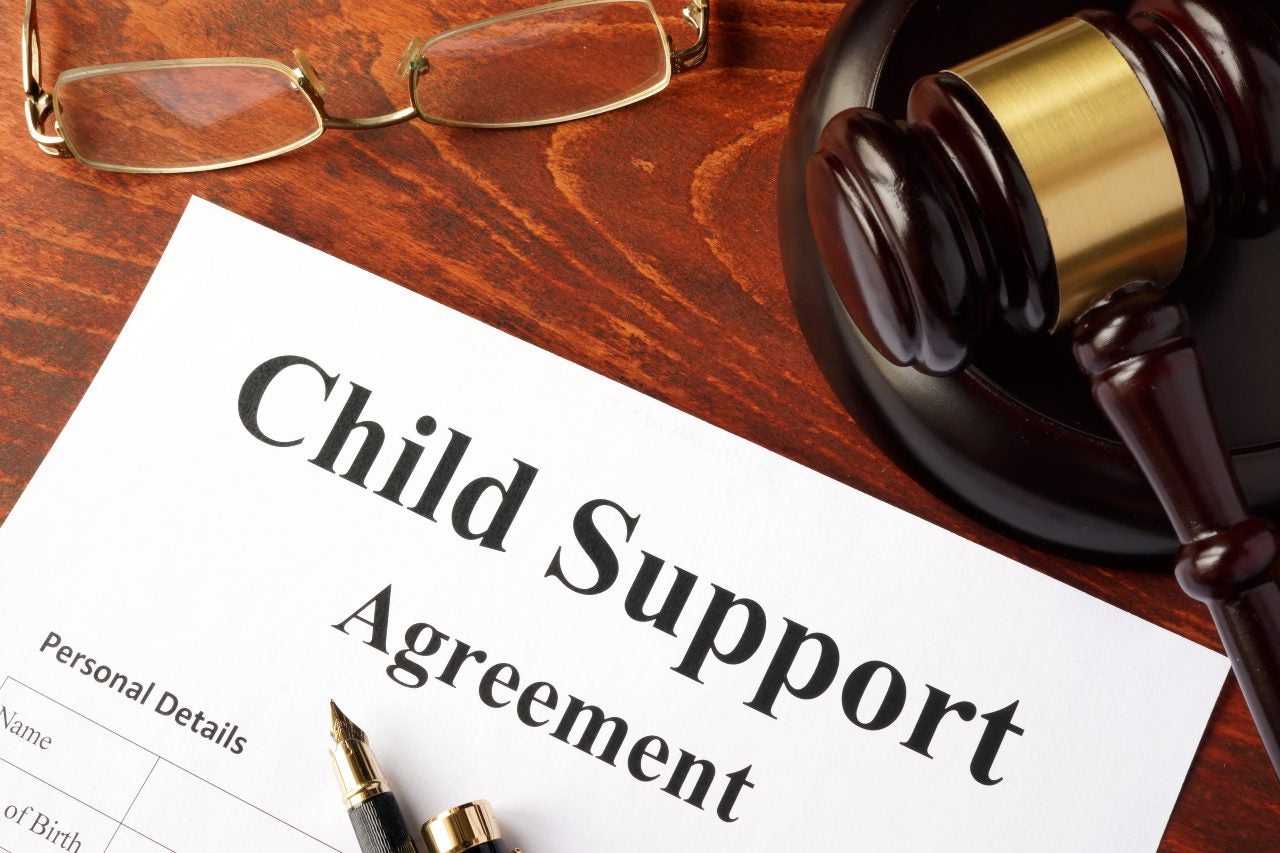
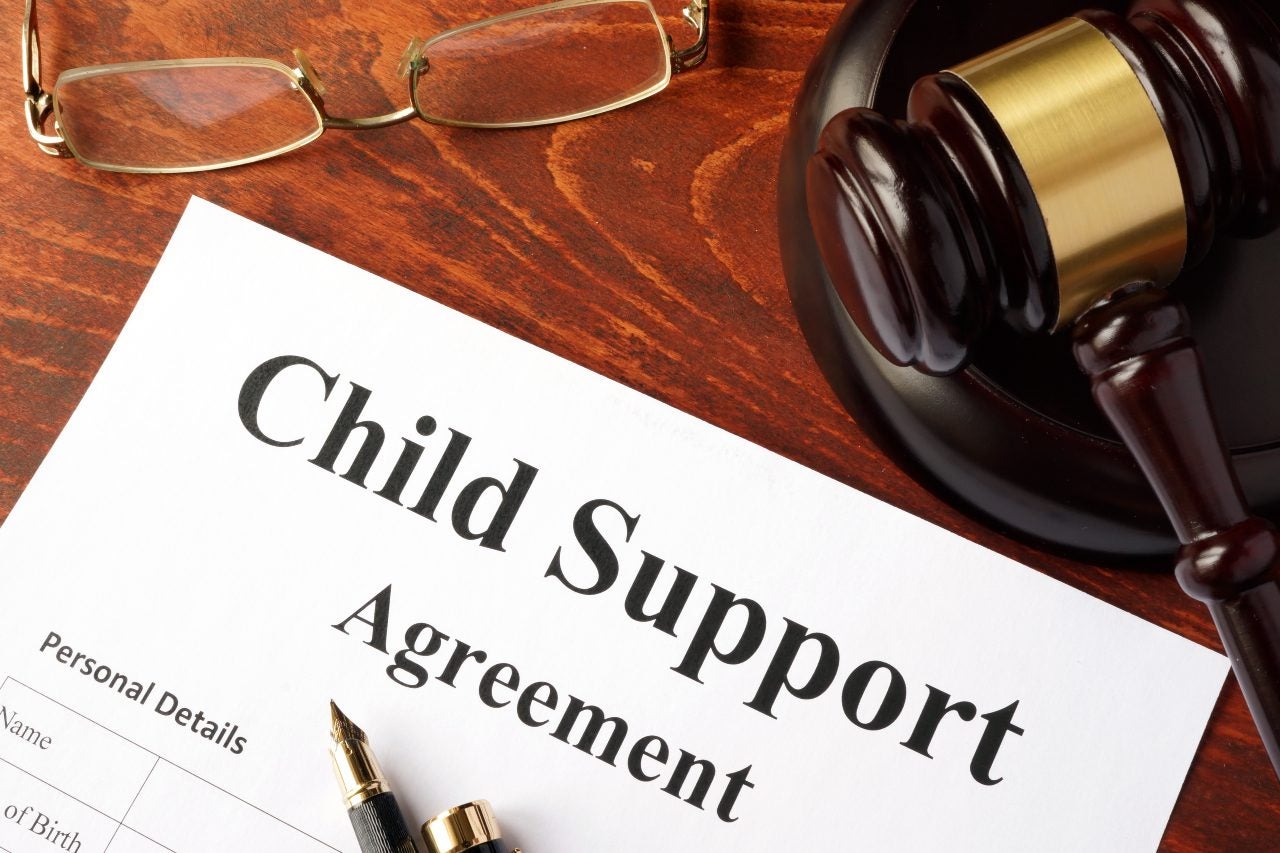
Many drivers lose their license for driving under the influence, refusing to take a breath test, or accumulating too many points on their license. However, Maryland drivers may also lose their driving privileges for failing to pay child support. The state’s Motor Vehicle Administration (MVA) and Child Support Enforcement Administration (CSEA) work together to collect child support payments and revoke driver’s licenses for those who fail to pay for more than 60 days. If this happens to you, it is crucial to know that the CSEA decides when the MVA can remove the suspension. After losing your driving privileges because of unpaid child support, reach out to Attorney Hillel Traub. He will represent you at hearings and work toward reinstating your license. Table of Contents What to Do after the CSEA Suspends Your License How to Reinstate Your Driver’s License Skilled Maryland Defense Attorney Is Here to Help What to Do after the CSEA Suspends Your License Before notifying the MVA, the CSEA will send you a written notice that explains your right to request an investigation if you disagree with the suspension and will include various important dates regarding the case. You cannot miss any deadline within the notice. Immediately contact the CSEA to address this issue and not the MVA. They do not have any jurisdiction over this matter. If you do not pay the entire amount owed or work out an agreement with the CSEA, you must return your driver’s license to any MVA branch in person or by mail. You should receive a receipt from the MVA if you drop off the license in person. If you no longer have a driver’s license, you must complete a Certified Statement form. How to Reinstate Your Driver’s License To fully reinstate your driver’s license, you must either pay the total amount owed or set up a payment plan. Once you do this, a CSEA representative will notify the MVA. You can then apply for a new unrestricted Maryland license. However, if you need a license to get to work, you may fill out a Work-Restricted Driver’s License Authorization letter to the MVA to obtain the restricted license. With this license, you can only drive to and from work and to locations necessary for your job. You may also call the CSEA to explain why you need a license, such as to complete school or training. If they approve it, you can apply for a restricted license. Remember, you can only drive to approved locations on this license or risk fully losing your driving privileges. Skilled Maryland Defense Attorney Is Here to Help If you are at risk of losing your Maryland license because of unpaid child support, contact The Law Office of Hillel Traub. Attorney Hillel Traub understands when, how, and why the MVA or CSEA suspends driver’s licenses and what rights you have to contest the suspension. He will also help determine what legal rights and remedies are available, and he can inform you of all potential avenues specific to your case. Additionally, Attorney Traub formerly served as an attorney for the Maryland MVA, bringing a unique perspective to these cases. To schedule a free consultation, call (410) 220-6976 or complete our contact form.

Can You Lose Your License If You Fail to Pay Child Support in Maryland?

Can You Lose Your License If You Fail to Pay Child Support in Maryland?

Many drivers lose their license for driving under the influence, refusing to take a breath test, or accumulating too many points on their license. However, Maryland drivers may also lose their driving privileges for failing to pay child support. The state’s Motor Vehicle Administration (MVA) and Child Support Enforcement Administration (CSEA) work together to collect child support payments and revoke driver’s licenses for those who fail to pay for more than 60 days. If this happens to you, it is crucial to know that the CSEA decides when the MVA can remove the suspension. After losing your driving privileges because of unpaid child support, reach out to Attorney Hillel Traub. He will represent you at hearings and work toward reinstating your license. Table of Contents What to Do after the CSEA Suspends Your License How to Reinstate Your Driver’s License Skilled Maryland Defense Attorney Is Here to Help What to Do after the CSEA Suspends Your License Before notifying the MVA, the CSEA will send you a written notice that explains your right to request an investigation if you disagree with the suspension and will include various important dates regarding the case. You cannot miss any deadline within the notice. Immediately contact the CSEA to address this issue and not the MVA. They do not have any jurisdiction over this matter. If you do not pay the entire amount owed or work out an agreement with the CSEA, you must return your driver’s license to any MVA branch in person or by mail. You should receive a receipt from the MVA if you drop off the license in person. If you no longer have a driver’s license, you must complete a Certified Statement form. How to Reinstate Your Driver’s License To fully reinstate your driver’s license, you must either pay the total amount owed or set up a payment plan. Once you do this, a CSEA representative will notify the MVA. You can then apply for a new unrestricted Maryland license. However, if you need a license to get to work, you may fill out a Work-Restricted Driver’s License Authorization letter to the MVA to obtain the restricted license. With this license, you can only drive to and from work and to locations necessary for your job. You may also call the CSEA to explain why you need a license, such as to complete school or training. If they approve it, you can apply for a restricted license. Remember, you can only drive to approved locations on this license or risk fully losing your driving privileges. Skilled Maryland Defense Attorney Is Here to Help If you are at risk of losing your Maryland license because of unpaid child support, contact The Law Office of Hillel Traub. Attorney Hillel Traub understands when, how, and why the MVA or CSEA suspends driver’s licenses and what rights you have to contest the suspension. He will also help determine what legal rights and remedies are available, and he can inform you of all potential avenues specific to your case. Additionally, Attorney Traub formerly served as an attorney for the Maryland MVA, bringing a unique perspective to these cases. To schedule a free consultation, call (410) 220-6976 or complete our contact form.

traffic

Can You Get a Ticket for Driving Too Slow in Maryland?

Driving slower than the flow of traffic may seem safer, but driving too slowly can be just as dangerous as speeding. Believe it or not, driving too far under the speed limit can interfere with the flow of traffic, frustrate other drivers, and even cause accidents. In Maryland, driving significantly below the speed limit or impeding traffic flow can also result in a ticket. With over 30 years of experience representing Maryland drivers, Attorney Hillel Traub understands the nuances of traffic laws that might seem uncommon, such as tickets for driving too slowly. At The Law Office of Hillel Traub, our extensive experience includes advocating for drivers in similar situations and navigating the complexities of Maryland’s traffic system, ensuring fair treatment in these often-overlooked cases. Table of Contents What You Should Know About Maryland’s Slow Driving Laws Minimum Speeds Left-Lane Driving Situations Where Slow Driving May Lead to a Ticket Highway Driving School Zones and Construction Areas Weather Conditions Potential Penalties for Driving Too Slowly on Maryland Roads Were You Penalized for Driving Too Slow in Maryland? What You Should Know About Maryland’s Slow Driving Laws Maryland’s “basic speed law” states that drivers should not operate their vehicle at a speed that impedes the normal and reasonable flow of traffic, regardless of the posted speed limit. This applies not only to speeding but also to excessively slow driving. A driver can be cited if driving at a slower pace interferes with other vehicles’ ability to maintain a consistent speed. Minimum Speeds While Maryland doesn’t enforce a minimum speed on all roads, specific roadways, particularly highways, often have minimum speed requirements. On such roads, driving below the minimum speed can lead to a ticket if there is no valid reason for it, such as severe weather, heavy traffic, or vehicle issues. Left-Lane Driving Maryland also enforces rules on left-lane driving. The left lane is meant for passing or faster-moving traffic. If you’re driving slower than the general flow, you should remain in the right lane to avoid disrupting traffic. Failing to follow this rule may lead to a citation and potentially fines. Situations Where Slow Driving May Lead to a Ticket Common scenarios in which driving too slowly might result in a traffic citation in Maryland include: Highway Driving On highways, slower vehicles in the left lane can quickly cause frustration and dangerous driving behavior when other drivers attempt to pass. Be sure to maintain an appropriate speed and use the right lanes if you are traveling at a slower pace to prevent impeding faster-moving traffic. School Zones and Construction Areas While driving slowly in school zones or construction areas is encouraged for safety, driving too slowly can disrupt the intended flow and create unexpected stops or congestion. Ensure you follow posted speeds to stay compliant with traffic flow expectations. Weather Conditions Maryland’s variable weather often requires drivers to slow down for safety, especially during rain, snow, or fog. While reducing speed in poor conditions is generally acceptable, driving excessively slowly, even in adverse weather, could still disrupt traffic flow. Drivers should maintain a reasonable pace, given the road and weather conditions. Potential Penalties for Driving Too Slowly on Maryland Roads Drivers who receive a ticket for slow driving may face various penalties, depending on the situation’s specifics. Potential penalties include: Fines: A ticket for slow driving usually results in fines, though the amount may vary based on the location and severity of the infraction. Fines are often higher for repeat offenses or violations on busy highways. Points on your license: In Maryland, traffic violations come with points added to your license. Accumulating too many points within a given timeframe can lead to license suspension. Increased insurance premiums: Receiving a traffic ticket, even for slow driving, may affect your insurance premiums. Insurance providers often review driving records to determine risk; multiple, citations can lead to higher rates. If you’ve received a slow-driving ticket, consulting with an attorney may be beneficial in navigating the situation and potentially reducing the impact on your record. Were You Penalized for Driving Too Slow in Maryland? Attorney Hillel Traub’s background as a former lawyer for the MVA gives him a unique perspective on how these slow-driving cases are prosecuted, enabling him to approach each client’s situation with precision and care. If you have been cited for driving too slowly in Maryland, The Law Office of Hillel Traub can help you mitigate the potential penalties, such as fines or points on your license. We aim to ensure you are treated fairly while minimizing the impact on your driving record and insurance rates. Call our office today at (410) 220-6976 or reach out through our contact form.

Contact Us

Fill out this form below and we'll contact you shortly
*Required Fields