Receiving a traffic violation in Maryland can feel like a minor inconvenience—but the truth is, even one ticket can have serious consequences. From fines and points on your license to higher insurance premiums or even license suspension, the impact adds up quickly. Unfortunately, many drivers make mistakes after receiving a violation that make their situation worse. In this guide, we’ll walk through the top mistakes people make after a traffic violation and how to avoid them. Whether it’s a speeding ticket, reckless driving charge, or CDL violation, knowing what not to do can save you time, money, and stress. Mistake #1: Ignoring the Ticket It may be tempting to toss the citation in a drawer and forget about it, but in Maryland, failing to respond to a traffic ticket can result in: Automatic fines License suspension A warrant for your arrest (in some cases) Always address your ticket promptly, whether that means paying the fine, requesting a hearing, or contacting a lawyer. Mistake #2: Paying the Fine Without Considering the Consequences Paying a traffic ticket may seem like the easiest option—but doing so is an admission of guilt. This means: Points will go on your license Your insurance premiums may increase You may face license suspension if you accumulate too many points Mistake #3: Representing Yourself in Court Some drivers choose to represent themselves in traffic court. The problem? Traffic law can be complex, and prosecutors rely on defendants not understanding their rights. Without an attorney, you may miss opportunities to: Challenge the validity of radar/lidar evidence Question the officer’s account Negotiate for reduced penalties Mistake #4: Admitting Fault Too Quickly When pulled over, drivers often admit guilt out of nervousness. Simple statements like “I was speeding a little” or “I didn’t see the stop sign” can be used against you later. Always remain respectful, but avoid volunteering unnecessary information. Mistake #5: Assuming CDL Holders Get the Same Treatment Commercial drivers face harsher penalties. Even minor violations can put a CDL and career at risk. A DUI, reckless driving charge, or speeding 15+ mph over the limit can lead to disqualification. Mistake #6: Not Understanding Maryland’s Point System Maryland’s Motor Vehicle Administration (MVA) uses a point system to track driver behavior: 3 points: Speeding (10-29 mph over limit) 5 points: Reckless driving 8 points: Driving while license suspended 12 points: Driving while impaired by alcohol Accumulating too many points can lead to license suspension or revocation. Mistake #7: Forgetting About Insurance Impacts Traffic violations don’t just cost money upfront—they affect your insurance rates. A single speeding ticket can raise premiums for years, costing hundreds or even thousands of dollars. Mistake #8: Failing to Seek Legal Advice Perhaps the biggest mistake drivers make is not seeking legal guidance. A Maryland traffic defense lawyer can: Evaluate the strength of the citation Identify procedural errors Negotiate for reduced charges Protect your driving record and insurance How to Protect Yourself After a Traffic Violation in Maryland Don’t ignore the citation – Respond before the deadline. Avoid automatic payment – Know what pleading guilty means. Consider your driving history – If you’re close to suspension, one ticket could put you over the edge. Talk to an attorney – Especially for serious charges like reckless driving, DUI, or CDL violations. Contact us Today! At The Law Office of Hillel Traub, P.A., we’ve helped countless Maryland drivers fight back against traffic violations. Don’t let one mistake put your license, livelihood, or insurance at risk. Call us today for a free consultation to learn how we can help protect your record.
How Insurance Companies Handle Auto Accidents & What They Don’t Tell You
When you’re in a car accident, one of the first things you’ll deal with is the insurance company. Whether it’s your own insurer or the other driver’s, you’ll be contacted quickly—and often before you’ve had a chance to process the accident. While insurance companies advertise themselves as being “on your side,” the reality is that their main goal is to protect their bottom line, not your recovery. In Maryland, where car accident laws are especially strict because of the state’s contributory negligence rule, insurance adjusters often use tactics to minimize, delay, or outright deny valid claims. In this guide, we’ll explain how insurance companies really handle auto accidents, what they don’t tell you, and how working with a skilled Maryland personal injury lawyer can help protect your rights and maximize your compensation. How Insurance Companies Approach Auto Accident Claims 1. Their Primary Goal: Protect Profits Insurance companies are for-profit businesses. Every claim they pay out cuts into their profits. This means their adjusters are trained to look for reasons to deny, undervalue, or delay claims—even if you’re entitled to full compensation. 2. Quick Settlement Offers One common tactic is offering a quick settlement soon after the accident. While this might sound like a relief, these offers are often far below the true value of your case. Once you accept, you lose the right to pursue additional compensation—even if new injuries appear later. 3. Recording Your Statements An adjuster may ask for a recorded statement “just to get your side of the story.” In reality, they’re trained to ask questions that could get you to admit partial fault—or say something they can twist to reduce your payout. 4. Monitoring Your Social Media Many claimants don’t realize insurers monitor social media. A single photo of you at a family barbecue could be used to argue your injuries aren’t as severe as you claim. 5. Exploiting Maryland’s Contributory Negligence Law In Maryland, if you are found even 1% at fault in an accident, you may be barred from recovering compensation. Insurance companies use this harsh rule to look for any evidence—however minor—that shifts blame onto you. What Insurance Companies Don’t Tell You They Don’t Have to Offer You Everything You Deserve Adjusters won’t explain all the damages you may be entitled to—like lost wages, future medical care, or pain and suffering. They Know You’re at a Disadvantage Without a Lawyer Insurance companies know that unrepresented claimants often accept far less than they deserve. That’s why they may discourage you from hiring an attorney. Delay Is a Strategy By dragging out your claim, insurers hope you’ll get desperate and accept a low offer. Their Doctors May Not Be Neutral If you’re required to attend an “independent medical exam,” be aware: the doctor is often chosen and paid by the insurance company. Their reports often downplay injuries to reduce payouts. How a Maryland Personal Injury Lawyer Levels the Playing Field Investigating the accident to uncover all liable parties Negotiating with insurance adjusters to push back against lowball offers Calculating the true value of your case including future costs Challenging unfair contributory negligence claims Preparing for trial if necessary to secure maximum compensation Steps to Protect Yourself After an Auto Accident in Maryland Seek medical care immediately – Even if you feel fine, hidden injuries may surface later. Document everything – Photos, witness statements, police reports. Notify your insurance company promptly – But avoid giving recorded statements without legal advice. Do not post accident details on social media. Contact an attorney before signing anything from the insurance company. Get Started Today With Traffic Violation Help At The Law Office of Hillel Traub, P.A., we understand how overwhelming auto accidents can be—especially when dealing with aggressive insurance companies. Don’t let them take advantage of Maryland’s harsh contributory negligence laws or pressure you into accepting less than you deserve. Call us today for a free consultation and let us fight to protect your rights.
How Insurance Companies Handle Auto Accidents & What They Don’t Tell You
When you’re in a car accident, one of the first things you’ll deal with is the insurance company. Whether it’s your own insurer or the other driver’s, you’ll be contacted quickly—and often before you’ve had a chance to process the accident. While insurance companies advertise themselves as being “on your side,” the reality is that their main goal is to protect their bottom line, not your recovery. In Maryland, where car accident laws are especially strict because of the state’s contributory negligence rule, insurance adjusters often use tactics to minimize, delay, or outright deny valid claims. In this guide, we’ll explain how insurance companies really handle auto accidents, what they don’t tell you, and how working with a skilled Maryland personal injury lawyer can help protect your rights and maximize your compensation. How Insurance Companies Approach Auto Accident Claims 1. Their Primary Goal: Protect Profits Insurance companies are for-profit businesses. Every claim they pay out cuts into their profits. This means their adjusters are trained to look for reasons to deny, undervalue, or delay claims—even if you’re entitled to full compensation. 2. Quick Settlement Offers One common tactic is offering a quick settlement soon after the accident. While this might sound like a relief, these offers are often far below the true value of your case. Once you accept, you lose the right to pursue additional compensation—even if new injuries appear later. 3. Recording Your Statements An adjuster may ask for a recorded statement “just to get your side of the story.” In reality, they’re trained to ask questions that could get you to admit partial fault—or say something they can twist to reduce your payout. 4. Monitoring Your Social Media Many claimants don’t realize insurers monitor social media. A single photo of you at a family barbecue could be used to argue your injuries aren’t as severe as you claim. 5. Exploiting Maryland’s Contributory Negligence Law In Maryland, if you are found even 1% at fault in an accident, you may be barred from recovering compensation. Insurance companies use this harsh rule to look for any evidence—however minor—that shifts blame onto you. What Insurance Companies Don’t Tell You They Don’t Have to Offer You Everything You Deserve Adjusters won’t explain all the damages you may be entitled to—like lost wages, future medical care, or pain and suffering. They Know You’re at a Disadvantage Without a Lawyer Insurance companies know that unrepresented claimants often accept far less than they deserve. That’s why they may discourage you from hiring an attorney. Delay Is a Strategy By dragging out your claim, insurers hope you’ll get desperate and accept a low offer. Their Doctors May Not Be Neutral If you’re required to attend an “independent medical exam,” be aware: the doctor is often chosen and paid by the insurance company. Their reports often downplay injuries to reduce payouts. How a Maryland Personal Injury Lawyer Levels the Playing Field Investigating the accident to uncover all liable parties Negotiating with insurance adjusters to push back against lowball offers Calculating the true value of your case including future costs Challenging unfair contributory negligence claims Preparing for trial if necessary to secure maximum compensation Steps to Protect Yourself After an Auto Accident in Maryland Seek medical care immediately – Even if you feel fine, hidden injuries may surface later. Document everything – Photos, witness statements, police reports. Notify your insurance company promptly – But avoid giving recorded statements without legal advice. Do not post accident details on social media. Contact an attorney before signing anything from the insurance company. Get Started Today With Traffic Violation Help At The Law Office of Hillel Traub, P.A., we understand how overwhelming auto accidents can be—especially when dealing with aggressive insurance companies. Don’t let them take advantage of Maryland’s harsh contributory negligence laws or pressure you into accepting less than you deserve. Call us today for a free consultation and let us fight to protect your rights.
The Role of Evidence: Breath Tests, Field Sobriety, Dash Cams
When facing a DUI charge in Maryland, evidence often determines whether your case is dismissed, reduced, or results in a conviction. Law enforcement relies heavily on tools such as breathalyzer tests, field sobriety assessments, and dash cam footage to substantiate DUI allegations. While these pieces of evidence may seem straightforward, they are not infallible. Many drivers are unaware that errors in testing procedures, equipment malfunctions, or even environmental factors can compromise the accuracy of DUI evidence. Understanding the types of evidence, their limitations, and strategies for challenging them is critical for anyone navigating the Maryland legal system. In this blog, we’ll break down the different types of DUI evidence, explain common pitfalls, and show how a Maryland DUI attorney can protect your rights. Types of Evidence in DUI Cases 1. Breath Tests Breath tests are one of the most common tools used to measure Blood Alcohol Concentration (BAC). In Maryland, there are two primary types: A. Preliminary Breath Test (PBT) Conducted roadside using portable devices Provides a rough estimate of BAC Results typically cannot be used as direct evidence in court but establish probable cause for arrest B. Evidentiary Breath Test Conducted at the police station with more sophisticated machines (Intoxilyzer 9000, etc.) Results are admissible in court and can heavily influence the outcome of the case Common Issues With Breath Tests: Equipment calibration errors Improper administration of the test Residual mouth alcohol from recent food, medication, or mouthwash Health conditions such as diabetes, acid reflux, or respiratory disorders Example: In one Maryland case, a defendant’s BAC reading was challenged because the machine had not been calibrated according to state standards for over two weeks. The evidence was subsequently excluded, significantly weakening the prosecution’s case. 2. Field Sobriety Tests Field Sobriety Tests (FSTs) are standardized assessments designed to evaluate a driver’s coordination, balance, and cognitive function. Maryland officers typically use the three tests recommended by the National Highway Traffic Safety Administration (NHTSA): Horizontal Gaze Nystagmus (HGN): Observes involuntary eye movements when following a moving object Walk-and-Turn: Measures the ability to maintain balance and follow instructions while walking in a straight line One-Leg Stand: Tests balance and ability to maintain posture on one leg Potential Errors: Poorly lit or uneven road surfaces Fatigue, nervousness, or medical conditions impacting performance Improper instructions or bias from the officer administering the test Case Example: A Maryland driver successfully contested FST results after showing that a minor ankle injury affected performance, and the officer failed to consider this during the arrest. 3. Dash Cam and Body Cam Footage Dash cams and body cams are increasingly common in Maryland law enforcement. Footage can serve as either a support tool for the officer’s account or as a method to identify procedural errors. How Dash Cam Footage Can Affect a Case: Confirms or contradicts officer testimony Reveals improper traffic stops or breaches of constitutional rights Demonstrates discrepancies in breath test or FST administration Example: In Baltimore, dash cam footage revealed that an officer instructed a driver improperly during a walk-and-turn test, leading to the suppression of the FST results in court. Challenges to DUI Evidence Chain of Custody Errors Evidence must be tracked from collection to courtroom presentation Breaks in the chain can render breathalyzer results inadmissible Equipment Malfunction or Improper Calibration Police equipment must meet state regulatory standards Regular maintenance and calibration logs are required by law Officer Misconduct or Errors Procedural errors, such as failing to inform a suspect of their rights Improper administration of sobriety tests Bias or misconduct can be grounds to suppress evidence Constitutional Violations Illegal traffic stops without probable cause Excessive delay between arrest and testing Violation of the Fourth Amendment can invalidate evidence Tips for Defending DUI Charges in Maryland Document Everything: Take detailed notes about the stop, testing procedures, and environmental conditions. Request Calibration and Maintenance Records: Ensures breathalyzer or other equipment met standards. Challenge Field Sobriety Test Validity: Medical conditions or improper administration can invalidate tests. Scrutinize Dash Cam Footage: Look for inconsistencies or errors in the officer’s account. Seek Expert Testimony: Professional witnesses can dispute scientific evidence or test methodology. Common Misconceptions About DUI Evidence “Breath tests are infallible.” – Even small errors can drastically affect BAC readings. “Failing a field sobriety test means guilt.” – These tests are prone to false positives. “Dash cam footage always supports the officer.” – It can actually reveal procedural mistakes. FAQs Q1: Can I refuse a breathalyzer in Maryland? A1: Yes, but refusal leads to administrative license suspension. An experienced DUI attorney can help navigate options. Q2: How accurate are field sobriety tests? A2: Accuracy varies; environmental factors, fatigue, and medical conditions can cause incorrect results. Q3: Will dash cam footage always help my case? A3: Not always, but it provides an independent record that can sometimes support defense arguments or expose procedural errors. Call to Action DUI evidence in Maryland is complex and often misinterpreted. At The Law Office of Hillel Traub, P.A., we specialize in analyzing DUI evidence, challenging flawed tests, and protecting our clients’ rights. Call today for a free consultation to discuss your case and explore your defense options.
The Role of Evidence: Breath Tests, Field Sobriety, Dash Cams
When facing a DUI charge in Maryland, evidence often determines whether your case is dismissed, reduced, or results in a conviction. Law enforcement relies heavily on tools such as breathalyzer tests, field sobriety assessments, and dash cam footage to substantiate DUI allegations. While these pieces of evidence may seem straightforward, they are not infallible. Many drivers are unaware that errors in testing procedures, equipment malfunctions, or even environmental factors can compromise the accuracy of DUI evidence. Understanding the types of evidence, their limitations, and strategies for challenging them is critical for anyone navigating the Maryland legal system. In this blog, we’ll break down the different types of DUI evidence, explain common pitfalls, and show how a Maryland DUI attorney can protect your rights. Types of Evidence in DUI Cases 1. Breath Tests Breath tests are one of the most common tools used to measure Blood Alcohol Concentration (BAC). In Maryland, there are two primary types: A. Preliminary Breath Test (PBT) Conducted roadside using portable devices Provides a rough estimate of BAC Results typically cannot be used as direct evidence in court but establish probable cause for arrest B. Evidentiary Breath Test Conducted at the police station with more sophisticated machines (Intoxilyzer 9000, etc.) Results are admissible in court and can heavily influence the outcome of the case Common Issues With Breath Tests: Equipment calibration errors Improper administration of the test Residual mouth alcohol from recent food, medication, or mouthwash Health conditions such as diabetes, acid reflux, or respiratory disorders Example: In one Maryland case, a defendant’s BAC reading was challenged because the machine had not been calibrated according to state standards for over two weeks. The evidence was subsequently excluded, significantly weakening the prosecution’s case. 2. Field Sobriety Tests Field Sobriety Tests (FSTs) are standardized assessments designed to evaluate a driver’s coordination, balance, and cognitive function. Maryland officers typically use the three tests recommended by the National Highway Traffic Safety Administration (NHTSA): Horizontal Gaze Nystagmus (HGN): Observes involuntary eye movements when following a moving object Walk-and-Turn: Measures the ability to maintain balance and follow instructions while walking in a straight line One-Leg Stand: Tests balance and ability to maintain posture on one leg Potential Errors: Poorly lit or uneven road surfaces Fatigue, nervousness, or medical conditions impacting performance Improper instructions or bias from the officer administering the test Case Example: A Maryland driver successfully contested FST results after showing that a minor ankle injury affected performance, and the officer failed to consider this during the arrest. 3. Dash Cam and Body Cam Footage Dash cams and body cams are increasingly common in Maryland law enforcement. Footage can serve as either a support tool for the officer’s account or as a method to identify procedural errors. How Dash Cam Footage Can Affect a Case: Confirms or contradicts officer testimony Reveals improper traffic stops or breaches of constitutional rights Demonstrates discrepancies in breath test or FST administration Example: In Baltimore, dash cam footage revealed that an officer instructed a driver improperly during a walk-and-turn test, leading to the suppression of the FST results in court. Challenges to DUI Evidence Chain of Custody Errors Evidence must be tracked from collection to courtroom presentation Breaks in the chain can render breathalyzer results inadmissible Equipment Malfunction or Improper Calibration Police equipment must meet state regulatory standards Regular maintenance and calibration logs are required by law Officer Misconduct or Errors Procedural errors, such as failing to inform a suspect of their rights Improper administration of sobriety tests Bias or misconduct can be grounds to suppress evidence Constitutional Violations Illegal traffic stops without probable cause Excessive delay between arrest and testing Violation of the Fourth Amendment can invalidate evidence Tips for Defending DUI Charges in Maryland Document Everything: Take detailed notes about the stop, testing procedures, and environmental conditions. Request Calibration and Maintenance Records: Ensures breathalyzer or other equipment met standards. Challenge Field Sobriety Test Validity: Medical conditions or improper administration can invalidate tests. Scrutinize Dash Cam Footage: Look for inconsistencies or errors in the officer’s account. Seek Expert Testimony: Professional witnesses can dispute scientific evidence or test methodology. Common Misconceptions About DUI Evidence “Breath tests are infallible.” – Even small errors can drastically affect BAC readings. “Failing a field sobriety test means guilt.” – These tests are prone to false positives. “Dash cam footage always supports the officer.” – It can actually reveal procedural mistakes. FAQs Q1: Can I refuse a breathalyzer in Maryland? A1: Yes, but refusal leads to administrative license suspension. An experienced DUI attorney can help navigate options. Q2: How accurate are field sobriety tests? A2: Accuracy varies; environmental factors, fatigue, and medical conditions can cause incorrect results. Q3: Will dash cam footage always help my case? A3: Not always, but it provides an independent record that can sometimes support defense arguments or expose procedural errors. Call to Action DUI evidence in Maryland is complex and often misinterpreted. At The Law Office of Hillel Traub, P.A., we specialize in analyzing DUI evidence, challenging flawed tests, and protecting our clients’ rights. Call today for a free consultation to discuss your case and explore your defense options.
What Is Administrative License Suspension?
In Maryland, drivers often assume their license can only be suspended after a court conviction. However, the state’s Administrative License Suspension (ALS) process allows the Motor Vehicle Administration (MVA) to suspend a driver’s license immediately following certain violations, particularly DUI -related offenses. ALS can have serious consequences for your daily life, employment, and insurance, even before a court determines guilt. Many drivers are unaware of the timelines, options, and strategies for challenging ALS. Understanding this process is critical for protecting your rights and maintaining your ability to drive. This guide explores the ALS process, common triggers, steps to fight a suspension, and how The Law Office of Hillel Traub, P.A. can assist Maryland drivers in navigating this complex system. What Triggers Administrative License Suspension ALS typically applies in the following situations: Refusal of a Breath or Blood Test Maryland law allows immediate suspension for drivers who refuse chemical testing after arrest. Refusal usually leads to a one-year suspension for a first offense, longer for subsequent refusals. High Blood Alcohol Content (BAC) Readings A BAC of 0.08% or higher results in ALS. Commercial drivers may face stricter thresholds (0.04%). Accumulation of Points or Serious Traffic Violations Repeated violations can trigger administrative actions before court judgments. Example: Reckless driving, excessive speeding, or failure to carry insurance. Criminal Charges Related to Driving Hit-and-run, driving without a license, or vehicular assault can trigger immediate license suspension. The ALS Process Step by Step Notice of Suspension Issued by the arresting officer or mailed by the MVA Contains suspension dates, violation details, and instructions to request a hearing Temporary License Drivers often receive a 45-day temporary license to allow time to request a hearing Requesting a Hearing Must be requested within 10 days of notice receipt Failure to request a hearing results in automatic suspension Administrative Hearing Held by an MVA administrative law judge Focuses on procedural compliance, BAC results, and legal grounds for suspension Decision and Appeals Judge may uphold, reduce, or overturn the suspension Decisions can be appealed in Maryland courts if necessary How to Challenge ALS Challenging an ALS requires careful attention to detail and knowledge of Maryland law. Common strategies include: Questioning the Stop: Was there probable cause for the traffic stop? Challenging Chemical Test Results: Was the equipment calibrated and functioning correctly? Procedural Errors: Were you properly informed of your rights? Were timelines followed? Medical or Environmental Factors: Could health conditions or environmental factors have affected test results? Case Example: A Maryland driver successfully overturned an ALS suspension after demonstrating the breathalyzer machine had not been properly calibrated, and the officer failed to follow procedural steps during testing. Common Misconceptions “ALS only happens after a DUI conviction.” – False. Suspension is administrative and independent of court outcomes. “I can’t fight it.” – Maryland drivers have the right to a hearing, and experienced attorneys can significantly improve the outcome. “It only lasts a few weeks.” – ALS can have long-term implications on insurance, employment, and future driving privileges. Tips to Protect Your Driving Privileges Act Quickly: Request a hearing within 10 days. Document Everything: Record the details of your arrest and any test results. Consult an Attorney: ALS cases are complex; legal guidance increases chances of success. Consider Restricted Licenses: Some drivers may qualify for work or medical use. Maintain Compliance: Follow all MVA and court directives carefully. FAQs Q1: Can I drive while ALS is pending? A1: Usually, a temporary license allows limited driving, but violations may result in further penalties. Q2: How long does an ALS last? A2: Depends on the violation. DUI refusals may result in one-year suspension for a first offense; subsequent violations increase the term. Q3: Will ALS affect my insurance? A3: Yes. Insurance companies consider administrative suspensions when calculating premiums, even before a court conviction. Q4: Can ALS be removed from my record? A4: Not directly, but successfully challenging the suspension can prevent points or a permanent record of the incident. Protecting Your License: Understanding Administrative Suspension Administrative License Suspension can have serious consequences, but with the right guidance, it is not inevitable. At The Law Office of Hillel Traub, P.A., we help Maryland drivers navigate ALS hearings, challenge evidence, and safeguard their ability to drive. Understanding your rights, acting quickly, and seeking expert legal counsel can make the difference between a temporary inconvenience and a long-term setback. Next Step: Don’t wait until your license is suspended. Contact us today to review your case and take action before it’s too late.
What Is Administrative License Suspension?
In Maryland, drivers often assume their license can only be suspended after a court conviction. However, the state’s Administrative License Suspension (ALS) process allows the Motor Vehicle Administration (MVA) to suspend a driver’s license immediately following certain violations, particularly DUI -related offenses. ALS can have serious consequences for your daily life, employment, and insurance, even before a court determines guilt. Many drivers are unaware of the timelines, options, and strategies for challenging ALS. Understanding this process is critical for protecting your rights and maintaining your ability to drive. This guide explores the ALS process, common triggers, steps to fight a suspension, and how The Law Office of Hillel Traub, P.A. can assist Maryland drivers in navigating this complex system. What Triggers Administrative License Suspension ALS typically applies in the following situations: Refusal of a Breath or Blood Test Maryland law allows immediate suspension for drivers who refuse chemical testing after arrest. Refusal usually leads to a one-year suspension for a first offense, longer for subsequent refusals. High Blood Alcohol Content (BAC) Readings A BAC of 0.08% or higher results in ALS. Commercial drivers may face stricter thresholds (0.04%). Accumulation of Points or Serious Traffic Violations Repeated violations can trigger administrative actions before court judgments. Example: Reckless driving, excessive speeding, or failure to carry insurance. Criminal Charges Related to Driving Hit-and-run, driving without a license, or vehicular assault can trigger immediate license suspension. The ALS Process Step by Step Notice of Suspension Issued by the arresting officer or mailed by the MVA Contains suspension dates, violation details, and instructions to request a hearing Temporary License Drivers often receive a 45-day temporary license to allow time to request a hearing Requesting a Hearing Must be requested within 10 days of notice receipt Failure to request a hearing results in automatic suspension Administrative Hearing Held by an MVA administrative law judge Focuses on procedural compliance, BAC results, and legal grounds for suspension Decision and Appeals Judge may uphold, reduce, or overturn the suspension Decisions can be appealed in Maryland courts if necessary How to Challenge ALS Challenging an ALS requires careful attention to detail and knowledge of Maryland law. Common strategies include: Questioning the Stop: Was there probable cause for the traffic stop? Challenging Chemical Test Results: Was the equipment calibrated and functioning correctly? Procedural Errors: Were you properly informed of your rights? Were timelines followed? Medical or Environmental Factors: Could health conditions or environmental factors have affected test results? Case Example: A Maryland driver successfully overturned an ALS suspension after demonstrating the breathalyzer machine had not been properly calibrated, and the officer failed to follow procedural steps during testing. Common Misconceptions “ALS only happens after a DUI conviction.” – False. Suspension is administrative and independent of court outcomes. “I can’t fight it.” – Maryland drivers have the right to a hearing, and experienced attorneys can significantly improve the outcome. “It only lasts a few weeks.” – ALS can have long-term implications on insurance, employment, and future driving privileges. Tips to Protect Your Driving Privileges Act Quickly: Request a hearing within 10 days. Document Everything: Record the details of your arrest and any test results. Consult an Attorney: ALS cases are complex; legal guidance increases chances of success. Consider Restricted Licenses: Some drivers may qualify for work or medical use. Maintain Compliance: Follow all MVA and court directives carefully. FAQs Q1: Can I drive while ALS is pending? A1: Usually, a temporary license allows limited driving, but violations may result in further penalties. Q2: How long does an ALS last? A2: Depends on the violation. DUI refusals may result in one-year suspension for a first offense; subsequent violations increase the term. Q3: Will ALS affect my insurance? A3: Yes. Insurance companies consider administrative suspensions when calculating premiums, even before a court conviction. Q4: Can ALS be removed from my record? A4: Not directly, but successfully challenging the suspension can prevent points or a permanent record of the incident. Protecting Your License: Understanding Administrative Suspension Administrative License Suspension can have serious consequences, but with the right guidance, it is not inevitable. At The Law Office of Hillel Traub, P.A., we help Maryland drivers navigate ALS hearings, challenge evidence, and safeguard their ability to drive. Understanding your rights, acting quickly, and seeking expert legal counsel can make the difference between a temporary inconvenience and a long-term setback. Next Step: Don’t wait until your license is suspended. Contact us today to review your case and take action before it’s too late.
Top 5 Traffic Violations That Put a CDL at Risk in Maryland
For commercial drivers in Maryland, holding a Commercial Driver’s License (CDL) carries immense responsibility. Even minor violations can have outsized consequences, including license suspension, job loss, and federal penalties. Employers and insurance companies closely monitor CDL records, making it essential to understand which offenses are most dangerous. This blog explores the top five traffic violations that can jeopardize your CDL, provides examples, and explains strategies to protect your career with the assistance of The Law Office of Hillel Traub, P.A. 1. Driving Under the Influence (DUI) Impact: DUI convictions for CDL holders often result in immediate license disqualification, usually one year for a first offense. Example: A truck driver pulled over with a BAC of 0.04% (commercial threshold) lost his CDL despite no accident occurring. Tip: CDL holders should never underestimate DUI risks. Administrative suspension and long-term career consequences are immediate. 2. Excessive Speeding Impact: Speeds exceeding 15 mph over the limit in Maryland may add serious points and trigger employer disciplinary action. Example: A driver exceeding 20 mph over the limit on a highway received points that jeopardized compliance with federal regulations. Tip: Keep detailed logs and GPS records to dispute inaccuracies in citations. 3. Reckless or Aggressive Driving Includes unsafe lane changes, tailgating, or failure to yield. Maryland law treats reckless driving seriously; CDL holders face disqualification or suspension for accumulation of violations. Scenario Example: A commercial driver was cited for aggressive lane maneuvers and subsequently faced a temporary CDL suspension while awaiting administrative review. 4. Driving Without Proper Endorsements or Documentation Missing endorsements for HAZMAT, passenger transport, or oversized vehicles can result in immediate suspension. Carrying incorrect or expired documentation also carries serious penalties. Tip: Regularly verify your endorsements, licenses, and medical certifications to avoid preventable suspensions. 5. Accumulation of Points and Traffic Violations Maryland uses a point system for CDL holders; too many points can trigger administrative actions. Minor violations that might not affect non-commercial drivers can still impact CDL eligibility. Example: A driver with several minor speeding tickets reached the maximum point threshold, resulting in a suspension that temporarily cost him his job. Additional Considerations for CDL Drivers Employer Reporting: Federal law requires reporting certain violations within 30 days. Insurance Implications: CDL violations impact commercial vehicle insurance premiums. Long-Term Career Impact: Multiple violations can limit employment opportunities and federal compliance. FAQs Q1: How many points will suspend my CDL in Maryland? A1: Points accumulation rules differ for CDL holders; 12 or more points can trigger administrative review. Q2: Can I contest a CDL violation? A2: Yes, with an attorney, especially if procedural errors, inaccurate speed readings, or mitigating factors exist. Q3: Does a CDL violation affect my personal license? A3: Often yes, as Maryland treats certain CDL violations as impacting overall driving privileges. Safeguarding Your CDL: What Every Commercial Driver Should Know Maintaining a CDL in Maryland requires vigilance, adherence to traffic laws, and awareness of the serious consequences of even minor violations. At The Law Office of Hillel Traub, P.A., we help commercial drivers protect their licenses, navigate administrative challenges, and address citations effectively. By understanding the top risks, documenting carefully, and seeking expert guidance, CDL holders can safeguard their careers and maintain compliance with both state and federal regulations. Next Step: Protect your license and livelihood. Contact Traub Law today to review your CDL case and explore strategies to minimize risks.
Top 5 Traffic Violations That Put a CDL at Risk in Maryland
For commercial drivers in Maryland, holding a Commercial Driver’s License (CDL) carries immense responsibility. Even minor violations can have outsized consequences, including license suspension, job loss, and federal penalties. Employers and insurance companies closely monitor CDL records, making it essential to understand which offenses are most dangerous. This blog explores the top five traffic violations that can jeopardize your CDL, provides examples, and explains strategies to protect your career with the assistance of The Law Office of Hillel Traub, P.A. 1. Driving Under the Influence (DUI) Impact: DUI convictions for CDL holders often result in immediate license disqualification, usually one year for a first offense. Example: A truck driver pulled over with a BAC of 0.04% (commercial threshold) lost his CDL despite no accident occurring. Tip: CDL holders should never underestimate DUI risks. Administrative suspension and long-term career consequences are immediate. 2. Excessive Speeding Impact: Speeds exceeding 15 mph over the limit in Maryland may add serious points and trigger employer disciplinary action. Example: A driver exceeding 20 mph over the limit on a highway received points that jeopardized compliance with federal regulations. Tip: Keep detailed logs and GPS records to dispute inaccuracies in citations. 3. Reckless or Aggressive Driving Includes unsafe lane changes, tailgating, or failure to yield. Maryland law treats reckless driving seriously; CDL holders face disqualification or suspension for accumulation of violations. Scenario Example: A commercial driver was cited for aggressive lane maneuvers and subsequently faced a temporary CDL suspension while awaiting administrative review. 4. Driving Without Proper Endorsements or Documentation Missing endorsements for HAZMAT, passenger transport, or oversized vehicles can result in immediate suspension. Carrying incorrect or expired documentation also carries serious penalties. Tip: Regularly verify your endorsements, licenses, and medical certifications to avoid preventable suspensions. 5. Accumulation of Points and Traffic Violations Maryland uses a point system for CDL holders; too many points can trigger administrative actions. Minor violations that might not affect non-commercial drivers can still impact CDL eligibility. Example: A driver with several minor speeding tickets reached the maximum point threshold, resulting in a suspension that temporarily cost him his job. Additional Considerations for CDL Drivers Employer Reporting: Federal law requires reporting certain violations within 30 days. Insurance Implications: CDL violations impact commercial vehicle insurance premiums. Long-Term Career Impact: Multiple violations can limit employment opportunities and federal compliance. FAQs Q1: How many points will suspend my CDL in Maryland? A1: Points accumulation rules differ for CDL holders; 12 or more points can trigger administrative review. Q2: Can I contest a CDL violation? A2: Yes, with an attorney, especially if procedural errors, inaccurate speed readings, or mitigating factors exist. Q3: Does a CDL violation affect my personal license? A3: Often yes, as Maryland treats certain CDL violations as impacting overall driving privileges. Safeguarding Your CDL: What Every Commercial Driver Should Know Maintaining a CDL in Maryland requires vigilance, adherence to traffic laws, and awareness of the serious consequences of even minor violations. At The Law Office of Hillel Traub, P.A., we help commercial drivers protect their licenses, navigate administrative challenges, and address citations effectively. By understanding the top risks, documenting carefully, and seeking expert guidance, CDL holders can safeguard their careers and maintain compliance with both state and federal regulations. Next Step: Protect your license and livelihood. Contact Traub Law today to review your CDL case and explore strategies to minimize risks.
What to Do Immediately After Being Pulled Over for DUI in Maryland
Being pulled over on suspicion of DUI in Maryland is a high-stress, high-stakes situation. Every action you take—or fail to take—can influence whether charges are reduced, dismissed, or lead to conviction. Drivers often panic, make incriminating statements, or consent to improper testing, which can have long-term consequences on their license, insurance, and criminal record. This blog provides a step-by-step guide on what to do immediately after a DUI stop, focusing on legal rights, practical actions, and strategies that can help protect your case. Step 1: Stay Calm and Composed Pull over safely and turn off the engine. Keep hands visible on the steering wheel. Avoid sudden movements that may alarm the officer. Take deep breaths—remaining calm can influence officer perception and reduce unnecessary escalation. Example: Drivers who argue or resist often face additional charges, such as obstruction or reckless driving, complicating their case. Step 2: Understand Your Rights Maryland law provides key protections during a traffic stop: Right to Remain Silent: You do not have to answer questions about alcohol or drug consumption. Polite non-incriminating responses are recommended. Right to Refuse Certain Tests: You can refuse a preliminary breath test (PBT) at the scene, but refusing an evidentiary chemical test (breath, blood, or urine) after arrest may trigger Administrative License Suspension. Right to Legal Representation: You may request an attorney before providing statements or consent to additional procedures after arrest. Step 3: Comply Without Self-Incrimination Follow officer instructions respectfully. Do not argue or admit guilt on the spot. Answer only basic questions (name, address, date of birth) unless instructed otherwise. Scenario Example: A driver who admitted to having “a couple of drinks” during a traffic stop saw that statement used against them in court. Keeping statements limited can prevent self-incrimination. Step 4: Observe and Document Note the time, location, weather, and road conditions. Pay attention to officer behavior and any irregularities. If possible, document dash cam footage or witness accounts. This information can be crucial if your attorney later challenges the stop, field sobriety tests, or chemical testing procedures. Step 5: Field Sobriety and Chemical Tests Maryland officers may administer field sobriety tests (walk-and-turn, one-leg stand, horizontal gaze nystagmus). Tests can be affected by fatigue, medical conditions, or environmental factors. Chemical tests (breath, blood, or urine) are subject to strict procedural and calibration requirements. Tip: Refusing a PBT may protect your case at the scene, but refusing an evidentiary test after arrest triggers ALS. Always consult a DUI attorney immediately if you are arrested. Step 6: After the Stop You may be released with a citation or arrested depending on evidence. Always keep a copy of all paperwork, including citation and notice of ALS (if applicable). Do not attempt to handle complex legal matters on your own; expert legal counsel is essential. FAQs Q1: Can I refuse a field sobriety test? A1: Yes, but refusal may be used as evidence of impairment in court. Always consult an attorney. Q2: How soon should I contact a DUI attorney? A2: Immediately. Early intervention can protect your license and evidence. Q3: Will police read me my rights at a DUI stop? A3: Officers must read your Miranda rights only if you are in custody and being interrogated. Knowing your rights beforehand helps protect you. Q4: What happens if I fail the breath test? A4: A high BAC triggers ALS, potential DUI charges, and insurance implications. Legal review is essential. Your First Moves Matter: Navigating a Maryland DUI Stop Being proactive immediately after a DUI stop can make a critical difference. At The Law Office of Hillel Traub, P.A., we guide Maryland drivers through the process, from the initial stop to administrative hearings and criminal defense. By understanding your rights, documenting details, and consulting expert legal counsel, you can protect your driving privileges, limit long-term consequences, and build a strong defense. Next Step: Don’t wait— contact us today to discuss your situation and ensure your rights are fully protected.
What to Do Immediately After Being Pulled Over for DUI in Maryland
Being pulled over on suspicion of DUI in Maryland is a high-stress, high-stakes situation. Every action you take—or fail to take—can influence whether charges are reduced, dismissed, or lead to conviction. Drivers often panic, make incriminating statements, or consent to improper testing, which can have long-term consequences on their license, insurance, and criminal record. This blog provides a step-by-step guide on what to do immediately after a DUI stop, focusing on legal rights, practical actions, and strategies that can help protect your case. Step 1: Stay Calm and Composed Pull over safely and turn off the engine. Keep hands visible on the steering wheel. Avoid sudden movements that may alarm the officer. Take deep breaths—remaining calm can influence officer perception and reduce unnecessary escalation. Example: Drivers who argue or resist often face additional charges, such as obstruction or reckless driving, complicating their case. Step 2: Understand Your Rights Maryland law provides key protections during a traffic stop: Right to Remain Silent: You do not have to answer questions about alcohol or drug consumption. Polite non-incriminating responses are recommended. Right to Refuse Certain Tests: You can refuse a preliminary breath test (PBT) at the scene, but refusing an evidentiary chemical test (breath, blood, or urine) after arrest may trigger Administrative License Suspension. Right to Legal Representation: You may request an attorney before providing statements or consent to additional procedures after arrest. Step 3: Comply Without Self-Incrimination Follow officer instructions respectfully. Do not argue or admit guilt on the spot. Answer only basic questions (name, address, date of birth) unless instructed otherwise. Scenario Example: A driver who admitted to having “a couple of drinks” during a traffic stop saw that statement used against them in court. Keeping statements limited can prevent self-incrimination. Step 4: Observe and Document Note the time, location, weather, and road conditions. Pay attention to officer behavior and any irregularities. If possible, document dash cam footage or witness accounts. This information can be crucial if your attorney later challenges the stop, field sobriety tests, or chemical testing procedures. Step 5: Field Sobriety and Chemical Tests Maryland officers may administer field sobriety tests (walk-and-turn, one-leg stand, horizontal gaze nystagmus). Tests can be affected by fatigue, medical conditions, or environmental factors. Chemical tests (breath, blood, or urine) are subject to strict procedural and calibration requirements. Tip: Refusing a PBT may protect your case at the scene, but refusing an evidentiary test after arrest triggers ALS. Always consult a DUI attorney immediately if you are arrested. Step 6: After the Stop You may be released with a citation or arrested depending on evidence. Always keep a copy of all paperwork, including citation and notice of ALS (if applicable). Do not attempt to handle complex legal matters on your own; expert legal counsel is essential. FAQs Q1: Can I refuse a field sobriety test? A1: Yes, but refusal may be used as evidence of impairment in court. Always consult an attorney. Q2: How soon should I contact a DUI attorney? A2: Immediately. Early intervention can protect your license and evidence. Q3: Will police read me my rights at a DUI stop? A3: Officers must read your Miranda rights only if you are in custody and being interrogated. Knowing your rights beforehand helps protect you. Q4: What happens if I fail the breath test? A4: A high BAC triggers ALS, potential DUI charges, and insurance implications. Legal review is essential. Your First Moves Matter: Navigating a Maryland DUI Stop Being proactive immediately after a DUI stop can make a critical difference. At The Law Office of Hillel Traub, P.A., we guide Maryland drivers through the process, from the initial stop to administrative hearings and criminal defense. By understanding your rights, documenting details, and consulting expert legal counsel, you can protect your driving privileges, limit long-term consequences, and build a strong defense. Next Step: Don’t wait— contact us today to discuss your situation and ensure your rights are fully protected.
6 Common Issues with Breathalyzer Tests
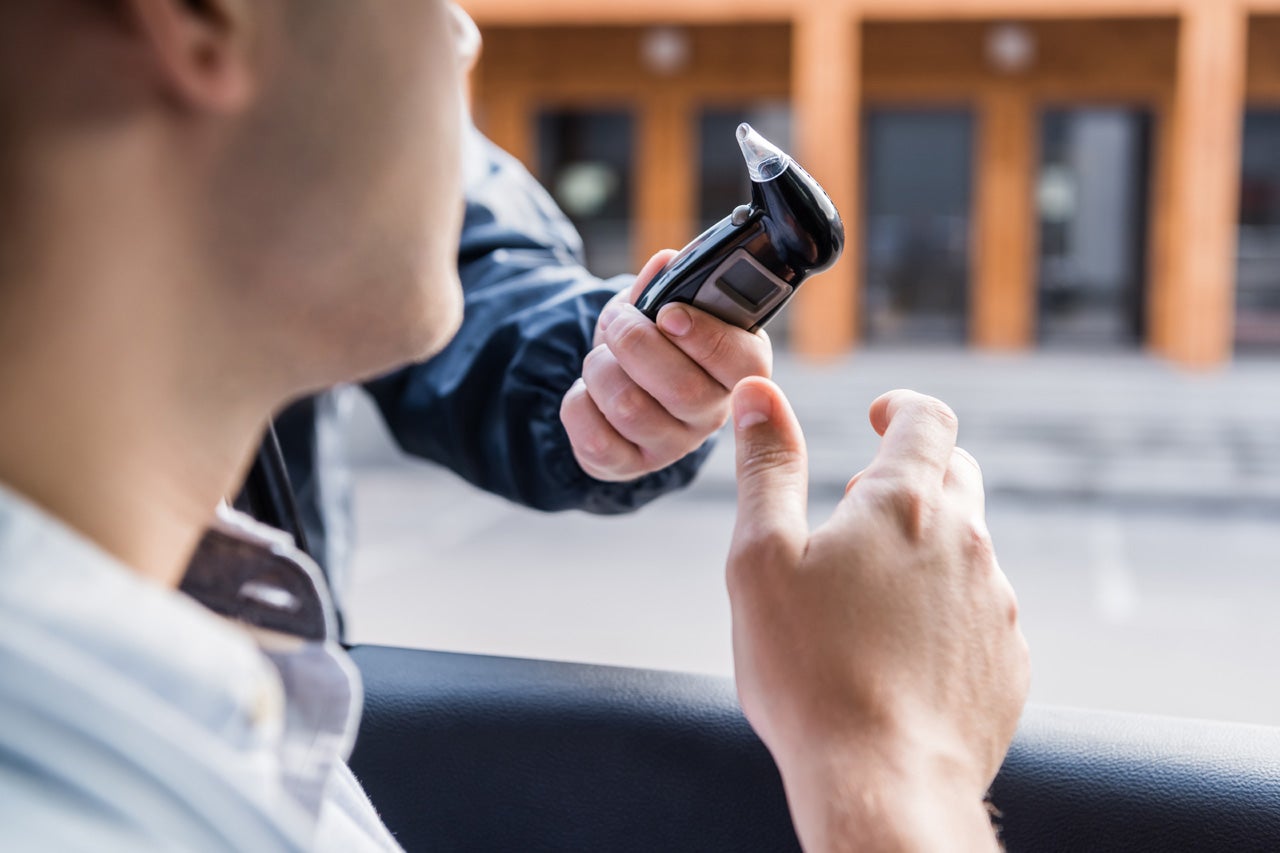
Breathalyzer tests are widely used by law enforcement to measure blood alcohol content (BAC), but they are far from perfect. These tests have been known to yield inaccurate results in some cases, sometimes leading to unjust charges. Knowing the limitations and potential errors associated with breathalyzer tests can make a significant difference in defending against a DUI charge. With over 30 years of experience in Maryland’s legal system, the Law Office of Hillel Traub has handled numerous cases involving the reliability of breathalyzer tests. These results are often subject to scrutiny due to improper calibration, maintenance issues, or human error during administration. As a former lawyer for the MVA, Attorney Hillel Traub applies a deep understanding of these complexities to help clients navigate such challenges effectively. Table of Contents Potential Pitfalls of Maryland Breathalyzer Tests Poor Calibration Environmental Factors Medical Conditions Prescription Medications Mouth Alcohol Contamination Improper Testing Procedures How an Attorney Can Challenge Your Breathalyzer Results Consult a Former MVA Attorney for Skilled DUI Defense in Maryland Potential Pitfalls of Maryland Breathalyzer Tests Breathalyzer tests assess whether a driver is under the influence, rapidly providing BAC results. Unfortunately, these results are not always accurate. Potential pitfalls may include: Poor Calibration An improperly calibrated breathalyzer could produce faulty results, potentially leading to unjust charges or dismissals. Defense attorneys often examine maintenance logs and calibration records to challenge inaccurate readings in court. Environmental Factors Breathalyzer results can be influenced by several external factors, including temperature, altitude, and even humidity. For instance, colder temperatures can slow the chemical reactions within the breathalyzer, potentially leading to incorrect results. Additionally, high altitudes or significant humidity levels can affect a person’s breathing pattern, which may interfere with BAC readings. Medical Conditions Certain medical conditions can influence breathalyzer results. For example, individuals with acid reflux or gastroesophageal reflux disease (GERD) may have alcohol present in their mouth rather than their breath, which can falsely elevate BAC readings. Similarly, diabetics may produce acetone in their breath, which some breathalyzers can misinterpret as alcohol. Prescription Medications Prescription medications, particularly those containing alcohol, can also lead to inaccurate breathalyzer results. In some cases, these medications produce alcohol vapor that a breathalyzer could mistakenly identify as consumed alcohol. Mouth Alcohol Contamination Breathalyzers are designed to measure alcohol in the deep lung air, also known as alveolar air. However, alcohol residue from recent consumption, dental work, or certain products like mouthwash can cause “mouth alcohol” contamination. If alcohol lingers in the mouth, the breathalyzer may detect it and provide an inaccurately high BAC reading. Improper Testing Procedures Law enforcement officers are trained to follow specific procedures when administering breathalyzer tests. Any deviation, such as rushing the test or not observing the individual for a set period before testing, can compromise results. Most jurisdictions require officers to observe a 15–20 minute waiting period before administering the test, allowing any residual alcohol in the mouth to dissipate. In high-pressure situations, officers may also inadvertently make mistakes. These errors can create opportunities for questioning the accuracy of the reported BAC level. How an Attorney Can Challenge Your Breathalyzer Results When fighting a DUI charge, an experienced attorney can be your strongest ally in challenging breathalyzer results. One of the most effective ways an attorney can help is by scrutinizing the calibration and maintenance records of the device used in your case. If the breathalyzer was not properly calibrated or maintained, your attorney can argue the results were unreliable. By requesting maintenance logs and calibration certificates, a skilled attorney can also identify any discrepancies or failures in the device’s upkeep that could have compromised its accuracy. Additionally, an attorney’s attention to detail and knowledge of proper testing protocols can often uncover significant flaws in the process that may lead to the dismissal of charges or a reduction in penalties. Consult a Former MVA Attorney for Skilled DUI Defense in Maryland At the Law Office of Hillel Traub, we know that inaccuracies in breathalyzer test results can lead to life-altering charges. As a former MVA lawyer with over 30 years of experience, Attorney Hillel Traub has handled numerous DUI cases where unreliable BAC readings were key. You deserve an attorney who understands these challenges and can effectively challenge flawed evidence in court. Call (410) 589-2794 or reach out via our contact form today.

The Law Office of Hillel Traub, P.A. is proud to be your trusted local law office!