Blog

All Traffic Violations CLD Violations Personal Injury Traffic Ticket
Cars

Understanding the Types of Fraud You May Encounter During the Car Buying Process

For many, purchasing a car is one of the most significant financial decisions they’ll make. Unfortunately, it’s also a prime opportunity for scammers to take advantage. From misleading advertisements to predatory financing schemes, fraud can occur at nearly every stage of the process. Navigating the car-buying process can be overwhelming, especially when you’re unaware of potential fraud risks. At The Law Office of Hillel Traub, we leverage over 30 years of experience to guide Maryland residents in safeguarding their interests. As a former lawyer for the MVA, and twenty years representing car dealers, Attorney Hillel Traub has unique insight into vehicle-related disputes and fraud, ensuring your rights are protected. Whether you’re dealing with misleading contracts, undisclosed defects, or title issues, our thorough approach may help shield you from financial loss and unnecessary stress. Table of Contents Common Types of Car-Buying Fraud Odometer Fraud Title Washing Bait-and-Switch Advertising Undisclosed Vehicle Damage Predatory Financing Protect Yourself Against Car-Buying Fraud with The Law Office of Hillel Traub Common Types of Car-Buying Fraud From odometer fraud to predatory financing, these scams can impact your wallet and even your safety. Some common types of fraud during this process include: Odometer Fraud Odometer fraud is one of the oldest tricks in the book, yet it continues to deceive buyers today. By tampering with a car’s mileage, dishonest sellers make the vehicle appear less used, often inflating its value in the process. How to spot it: Compare the mileage to maintenance records for consistency. Inspect the car’s wear and tear, such as the pedals and tires, for signs of excessive use. Check the vehicle history report for any unusual mileage changes. Always ask for a current CarFax or AutoCheck. Staying vigilant can save you from overpaying for a vehicle or purchasing one that requires unexpected repairs. Title Washing When a car has been salvaged, flooded, or totaled, its title reflects that history—unless it has been altered in a scam known as title washing. This tactic hides the vehicle’s past, making it seem safer and more reliable than it actually is. How to protect yourself: Request a vehicle history report from reputable services like Carfax. Be wary of deals that seem too good to be true, as they often are. Verify the title’s authenticity through your local DMV. By uncovering a vehicle’s true history, you can avoid buying a car with hidden damage that could lead to safety risks and unexpected expenses. Bait-and-Switch Advertising Few things are as frustrating as seeing an advertised deal only to find it’s unavailable when you visit the dealership. Bait-and-switch advertising lures buyers with low prices, only to pressure them into purchasing more expensive vehicles. Avoid the trap by: Insisting on seeing the advertised car. If it’s unavailable, walk away. Keeping screenshots of online advertisements as evidence. Researching dealership reviews to ensure they operate ethically. By standing your ground and staying informed, you can avoid falling for bait-and-switch tactics and find a car that fits your needs and budget. Undisclosed Vehicle Damage When sellers fail to disclose previous accidents or flood damage, buyers are left with potentially unsafe vehicles and costly repairs. Undisclosed damage can be challenging to identify but has serious implications for a car’s value and safety. Stay safe with the following tips: A trusted mechanic should inspect the vehicle before purchase. Look for physical damage signs, such as mismatched paint or unusual odors. Use tools like VIN checkers to verify accident history. Knowing what to look for can save you from buying a car with hidden issues that could compromise your safety and wallet. Predatory Financing Some dealerships push high-interest loans or unnecessary add-ons, inflating the cost of your vehicle. Here’s how you can protect yourself: Secure financing through a bank or credit union before visiting dealerships. Carefully review loan terms and ask questions about unclear conditions. Decline extras like extended warranties unless they provide clear value. Read the finance document carefully. Make sure the numbers match what you were quoted and agreed on. By understanding financing options and reviewing terms, you can avoid predatory practices and secure a loan that works for you. Protect Yourself Against Car-Buying Fraud with The Law Office of Hillel Traub At The Law Office of Hillel Traub, we understand how devastating car-buying fraud can be for individuals and families. With over 30 years of experience, Attorney Hillel Traub offers the insight and determination needed to help you address cases of fraud, from odometer tampering to predatory financing. As a former MVA lawyer and lawyer for car dealers, Attorney Traub deeply understands vehicle-related issues and fraud, positioning him as a trusted advocate for your rights. Whether you’re dealing with hidden vehicle damage, title discrepancies, or unethical financing practices, we work tirelessly to protect your interests. Don’t let unscrupulous sellers take advantage of you—call us today at (410) 352-7575 or visit our contact page to get started.

Understanding the Rules of Driving With a Maryland Provisional License

One of the most exciting milestones you may reach is getting your driver’s license. However, newly licensed drivers are more susceptible to devastating car accidents, with an average of eight teens suffering a fatality daily in the US. Because of this, Maryland’s graduating licensing system aims to reduce accidents due to inexperienced drivers. After successfully obtaining a learner’s permit, a provisional license is earned until you turn 18, with specific rules in place to ensure the safety of others and you. It’s essential to understand the rules of driving with a provisional license in Maryland. If you get a ticket, it may impact your privilege to drive and earn your driver’s license. There are some offenses that may have severe penalties, such as jail time. With a skilled Maryland traffic violations lawyer at The Law Office of Hillel Traub on your side, we handle your case meticulously and fight for you, striving for the best possible results. Table of Contents Provisional License Requirements in Maryland Consequences of Traffic Violations While Driving With a Maryland Provisional License Speak With an Experienced Traffic Violations Lawyer at The Law Office of Hillel Traub Provisional License Requirements in Maryland With a provisional license, there are a set of specific requirements you must meet in order to obtain your full driver’s license once you turn 18. If you hold a clean driving record for at least 18 months, you may be eligible for full licensing privileges in Maryland. The following requirements must be met with a provisional license: If you are under 18, you must not drive with passengers under 18 years of age other than family for the first 151 days without a qualifying supervising driver. You cannot drive between the hours of midnight and five in the morning unless you are with a qualifying driver or you are driving to or from a job, school activity, or other official school-related activity. You may not use hands-free devices while driving or any wireless communication device. Seatbelts must be worn at all times, including passengers. Provisional drivers under the age of 21 cannot drive with any measurable alcohol in their system. No conviction ot probation (PBJ) for a moving violation. If any of these rules are violated within the 18-month period, the 18-month provisional license period will restart. Obtaining traffic violations while holding a provisional license may result in significant consequences, as well as an increase in insurance rates. A provisional license will automatically convert to a full Maryland driver’s license upon a driver’s 18th birthday if all requirements are met. Consequences of Traffic Violations While Driving With a Maryland Provisional License The consequences of traffic violations while holding a provisional license in Maryland are substantial. In addition to points marked on your driving record and fines that may result from a specific moving violation, you may also be subject to the following penalties: For first-time offenders, you must attend a driver improvement program. A 30-day suspension for any second offense with an employment or education restriction for 90 days following the removal of the suspension. A 180-day suspension for any third offense and mandatory completion of a young driver improvement program with an employment or education restriction for 180 days following the removal of the suspension. For any fourth or subsequent offense, the revocation of the provisional license, as well as all testing requirements to be retaken in order for reinstatement. For five or more points accrued in a 12-month period, a six-month suspension will result from the first offense and a one-year suspension for a second offense or subsequent accumulation of five points. For high-risk driving offenses, such as speeding, racing, or reckless driving, your license may be suspended for up to six months for the first offense and one year for the second or subsequent offense. Working with an experienced Maryland traffic violations lawyer may help you reduce or expunge any charges against you. At The Law Office of Hillel Traub, we have a track record of proven success, helping clients with even the most complex traffic violation cases. Speak With an Experienced Traffic Violations Lawyer at The Law Office of Hillel Traub A provisional license comes with a lot of unique rules and requirements. If you have been charged with a traffic violation in Maryland, it may impact your driving privileges later down the road. Retain the help of an experienced traffic violations lawyer at The Law Office of Hillel Traub. Attorney Hillel Traub, a former lawyer from MVA, has over 30 years of experience and is prepared to fight for you. Schedule a no-cost consultation by calling (410) 352-7575 or filling out our contact form to speak with us about your unique situation.

Understanding the Penalties for Failure to Produce a License in Maryland

If you are in the driver’s seat of a moving vehicle, you must produce a valid driver’s license by request during a routine traffic stop in Maryland. Failure to comply with this obligation can have far-reaching consequences, impacting various facets of your life. Whether it results in a citation, court appearances, or even the suspension of driving privileges, the penalties for not producing a license in Maryland should not be taken lightly. When charged with failure to produce a license in Maryland, trust The Law Office of Hillel Traub. With over 30 years of experience and a background as a former lawyer for the Maryland Motor Vehicle Administration (MVA), Attorney Hillel Traub brings unparalleled knowledge and insight to your case. Table of Contents Potential Consequences for Failing to Produce a Driver’s License in Maryland Traffic Citations Suspension of Driving Privileges Increased Insurance Costs Legal Consequences A Traffic Violation Lawyer From The Law Office of Hillel Traub Is Here to Help Potential Consequences for Failing to Produce a Driver’s License in Maryland Maryland law mandates that every driver possess a valid driver’s license while operating a motor vehicle. When pulled over by law enforcement, drivers are expected to produce their licenses upon request. This requirement is not only a matter of legal compliance but also essential for ensuring the safety and accountability of individuals on the road. A failure to produce a driver’s license during a traffic stop in Maryland can lead to significant consequences, including: Traffic Citations The most immediate consequence of failing to produce a license during a Maryland traffic stop is the issuance of a citation. This citation may result in fines and points on your driving record, impacting your insurance rates. Suspension of Driving Privileges Depending on the circumstances and any prior violations, the MVA may choose to suspend your driving privileges. A suspended license can significantly disrupt your daily life and may require legal intervention to resolve. Increased Insurance Costs Accumulating points on your driving record due to a failure to produce a license can lead to higher insurance premiums. Insurers often view traffic violations as indicators of risk, resulting in increased costs for coverage. Legal Consequences Persistent failure to comply with licensing requirements may result in more severe legal consequences, including potential criminal charges. Seeking legal assistance is essential in such situations to navigate the complexities of the legal system. A Traffic Violation Lawyer From The Law Office of Hillel Traub Is Here to Help When faced with the penalties associated with failing to produce a license in Maryland, seeking the assistance of a skilled traffic violation lawyer can significantly improve the outcome of your case. An experienced traffic violation lawyer can assess the details of your case, identify potential defenses, and work to minimize the impact of the charges. Moreover, a lawyer can be a crucial advocate throughout the legal process, representing your interests in court proceedings and negotiations with prosecutors. Attorney Hillel Traub understands the nuances of Maryland’s legal system and can leverage this expertise to work hard to seek a favorable resolution on your behalf. Whether it involves challenging the validity of the traffic stop, negotiating reduced penalties, or advocating for the reinstatement of driving privileges, having a seasoned lawyer by your side can be invaluable. Get started today with a free consultation. Call (410) 352-7575 or fill out our contact form.

Understanding the Difference Between a No Contest Plea and a Waiver Hearing

Whether you are out for a peaceful drive or are headed to work, nothing can ruin that drive quite like seeing the flashing lights of a police car signaling that they are pulling you over. In Maryland, there are many different traffic rules and regulations that drivers must follow, making it easy to unintentionally violate one of these rules. If you have been pulled over for a traffic violation, you may be wondering if you should plead no contest to a traffic ticket or request a waiver hearing. The Law Office of Hillel Traub is a Maryland traffic offense law firm dedicated to ensuring that drivers understand their options in regards to how they should plead for a traffic ticket. If you have committed a traffic offense, you have the option to plead not guilty, guilty, request a waiver hearing, or plead no contest. If you are unsure if you should plead no contest to a traffic ticket or request a waiver hearing, our attorney can help ensure that you fully understand each option and how they may affect you in the long run. Table of Contents What Is the Difference Between a No Contest Plea and a Waiver Hearing? Understanding a No Contest Plea Understanding a Waiver Hearing Speak With a Top-Rated Traffic Lawyer Today What Is the Difference Between a No Contest Plea and a Waiver Hearing? After receiving a traffic ticket in Maryland, there are several options you have to consider in regards to how you will plead. Two options that many motorists may consider are a no contest plea or a waiver hearing. The difference between waiver hearings and no contest pleas can quickly become confusing. Here’s what you need to know: Understanding a No Contest Plea Also referred to as a nolo contendere, a no contest plea is neither an admission of guilt nor an allegation that you did not commit the traffic offense that you received the ticket for. When you choose to plead no contest for a traffic ticket, you are essentially telling the court you will not challenge, or contest the facts giving rise to the ticket. However, before you may plead no contest, you will need to obtain approval from the court. When you are issued a ticket for a traffic violation and choose to plead no contest, you will likely be in the same place as you would have been but without making the statement to the court that you are guilty. Assuming the court grants you a Probation Before Judgment, the violation will not be noted on your record and there will be no impact on your insurance rate. However, you should be aware that if you commit the same traffic violation again, the no contest plea can be brought to the court’s attention and you may be issued a more serious penalty. It’s also important to note that a no contest plea still requires a court appearance. To get help seeking approval for your no contest plea, contact a traffic lawyer as soon as possible. Understanding a Waiver Hearing A request for a waiver hearing will result in a trial date. However, a waiver hearing excuses the law enforcement officer who issued the traffic ticket from appearing in court. One of the biggest differences between a no contest plea and a waiver hearing is that when you request a waiver hearing, you will appear in court to essentially plead guilty or plead guilty with an explanation. When you do this, it is with the hope that your explanation or prior good driving record can result in the court choosing a lesser fine or withholding a guilty finding from your driving record. To get help with your request for a waiver hearing, retain the help of a knowledgeable Maryland lawyer. Speak With a Top-Rated Traffic Lawyer Today Attorney Hillel Traub of The Law Office of Hillel Traub is a former lawyer for MVA and has extensive knowledge of the difference between a no contest plea, waiver hearing, and all other matters concerning traffic tickets issued within the state. To begin discussing what your best legal options may be, get in touch by contacting us here or by calling (410) 352-7575 for a complimentary consultation.

Understanding the Consequences of Hit-and-Run Charges in Maryland

If you were involved in an accident but failed to stop long enough to exchange necessary information or provide aid to injured parties involved, you may be charged with a hit-and-run. Hit-and-run charges can result in serious penalties, including fines, probation, license suspension, and even jail time, depending on the severity of the incident. To avoid harsh consequences, contact a hit-and-run accident lawyer as soon as possible. Attorney Hillel Traub at The Law Office of Hillel Traub has over 30 years of experience representing hit-and-run accident clients. We know that being charged with hit-and-run allegations can be overwhelming, but we will fight for you every step of the way to achieve the best possible outcome for your case. Table of Contents Maryland Hit-and-Run Laws Hit-and-Run Consequences and Penalties How Can a Hit-and-Run Attorney Help? Contact a Hit-and-Run Lawyer at The Law Office of Hillel Traub Maryland Hit-and-Run Laws You must follow the following steps at an accident scene—even if there is no damage to the other vehicle or if it is a one-car accident—that involves any property damage, bodily injuries, or death: Assist any injured parties Call emergency services and law enforcement for anyone who requests it or requires medical attention Provide name, contact information, and vehicle registration number to any individual injured in the accident Provide contact information and other details to the responding police officer However, if you don’t follow these steps and instead leave the scene, you can be charged with a hit-and-run. If this happens, contact an experienced hit-and-run lawyer immediately to protect your rights. It’s best to obtain legal counsel before providing any information to law enforcement, as anything you say can be used against you. Even if law enforcement seems like they are on your side, keeping silent is one of the best ways to build a strong defense and increase your chances of a favorable outcome. Hit-and-Run Consequences and Penalties Maryland has strict hit-and-run penalties for individuals who leave the scene of an accident without completing their obligations to other drivers and pedestrians. According to Maryland Transportation Code § 27-113, if an accident results in serious bodily injury, a hit-and-run is charged as a felony with up to five years in prison and up to $5,000 in fines. If the collision results in death, penalties increase to a felony with up to 10 years in prison and a maximum $10,000 fine. Additionally, if convicted, you may receive eight to twelve points on your driving record, which can result in license suspension or revocation. How Can a Hit-and-Run Attorney Help? Working with an experienced hit-and-run lawyer at The Law Office of Hillel Traub can help you understand your best legal options. We can help you with the following aspects of your case to build the best defense possible to protect your rights, freedom, and driving privileges: Providing personalized legal counsel and guidance Negotiating with relevant parties on your behalf Collecting information and evidence for your case Building a solid defense strategy Interviewing accident eyewitnesses A sudden accident can cause you to think and act rashly and unreasonably in the moment, resulting in decisions that you potentially wouldn’t have made had it not been a stressful or frightening situation. We will fiercely advocate for you and build a strong defense to potentially minimize or drop the charges you face. Contact a Hit-and-Run Lawyer at The Law Office of Hillel Traub As a former lawyer for the MVA, Attorney Hillel Traub at The Law Office of Hillel Traub understands what it takes to protect clients’ rights in hit-and-run cases. With our extensive resources and focused knowledge, we tailor our legal services to your needs, increasing your chances of a favorable outcome. Schedule a free consultation by calling (410) 352-7575 or filling out a contact form today.

Understanding Maryland’s “Move Over” Law

With numerous car accidents throughout the state, legislation tries to create new regulations to limit the number of crashes and serious injuries. In October 2022, a new law will require Maryland drivers to change lanes or slow down when approaching stopped vehicles displaying warning signs. These rules extend from the “Move Over” law requiring drivers to slow down or change lanes for emergency vehicles. Signed into effect by Gov. Larry Hogan, this extension will start on October 1st. In an effort to spread the word about this new law, the Maryland Department of Transportation announced a new awareness campaign that provides local law enforcement agencies with state grants for overtime pay between May 8th to May 17th. During these times, Officers will heavily enforce speeding violations and violations of the “move over” law. They will also post educational and informative content on their social media platforms and other locations to help spread awareness of these new changes. Table of Contents What Is Maryland’s New “Move Over” Law? What to Do if Another Vehicle Hits You While You’re on the Side of the Road Contact a Reliable Maryland Attorney at the Law Office of Hillel Traub What Is Maryland’s New “Move Over” Law? When an emergency vehicle uses its visual signals while stopped on the highway, Maryland’s “Move Over” law requires those approaching from the vehicle’s rear to change lanes or slow down. In some cases, it may be dangerous or impossible for you to move over to the next lane. For those unable to move over, the law requires that you slow down to a reasonable and safe speed. This law keeps those outside their vehicles safe from unexpected traffic accidents while performing their jobs. The new law taking effect on October 1st enacts the “Move Over” law for all vehicles stopped on the side of the road and using emergency signals. Mayland’s legislation hopes that these new changes will help limit severe accidents. What to Do if Another Vehicle Hits You While You’re on the Side of the Road If your front tire bursts or your vehicle loses power, you’ll need to turn on your hazard lights and move to the side of the highway to assess the problem. If another car hits you, you may suffer severe injuries. Consider the following steps you may take after another vehicle hits you while you’re on the side of the road: Check for injuries: Your main priority is your health and safety. Once you assess your injuries and determine whether you need immediate medical attention, you’ll want to check on anyone involved in the accident to see if they need medical care. Call the police: After you’ve contacted emergency medical care or determined that no one requires immediate assistance, you’ll want to call your local law enforcement. They’ll assess the situation and document the accident. Collect driver’s information: Exchanging information like driver’s license, insurance information, and other important identification is necessary when filing a claim with your insurance. Gather evidence: Taking pictures and videos of the accident’s scene, any injuries, the surrounding area, and property damage can significantly help when filing your claim. A police report and witness testimony also work as compelling evidence. Talk with your lawyer: Your lawyer will have the knowledge and resources to guide you through both the legal and medical aftermath of a crash. You’ll want to have someone with experience negotiating and representing your claim. While the new law hopes to protect and limit these accidents, there may be those who neglect to follow the rules. If you suffer severe harm because of someone else’s recklessness, contact your lawyer as soon as possible. Contact a Reliable Maryland Attorney at the Law Office of Hillel Traub The Law Office of Hillel Traub has an experienced car accident lawyer that can provide you with trustworthy advice and legal representation. A former lawyer from MVA, Attorney Hillel Traub dedicates his practice to making sure clients have the best possible representation for their claims. Our goal is to protect your rights and provide you with the compensation you deserve for the injuries and property damage you incur from the crash. Learn more about how we can help your claim by calling (410) 352-7575 or filling out our contact form today.

Maryland’s “Duty to Retreat” Law

Crime statistics for the state of Maryland are rather grim. More than 168,000 violent crimes took place in Maryland in 2016. Offenses like murder, rape, robbery, aggravated assault, breaking and entering, larceny, and motor vehicle theft affected thousands of victims. These are all crimes in which a victim could protect him or herself through self-defense, but in Maryland, victims have a duty to retreat before they use force against an assailant. In Maryland, the use of force in self-defense is legally recognized when an individual genuinely believes there is an immediate danger. Table of Contents WHAT IS A DUTY TO RETREAT? WHEN DOES DUTY TO RETREAT APPLY? WHAT ARE SOME PROBLEMS WITH THE DUTY TO RETREAT LAW? STAND YOUR GROUND IN PUBLIC SPACES WHY DO SOME PEOPLE OPPOSE STAND YOUR GROUND? ENCOURAGE VIOLENCE INCREASE DEATH OR SERIOUS BODILY HARM Standing Your Ground vs. Duty to Retreat: Understanding the Difference Key Considerations for Self-Defense HOW CAN AN ATTORNEY SUPPORT YOU WITH YOUR DUTY TO RETREAT-RELATED CASE? CONTACT THE LAW OFFICE OF HILLEL TRAUB FOR SUPPORT TODAY FAQs About Maryland’s Duty to Retreat Law What is the Castle Doctrine in Maryland? What is the Castle Doctrine vs. Stand Your Ground Law? What is Considered Trespassing in Maryland? At The Law Office of Hillel Traub, we specialize in providing experienced legal representation for a wide range of traffic violations, including but not limited to serious speeding tickets, CDL violations, DUI/DWI, and other motor vehicle offenses. Our focus is on securing the best possible outcomes for our clients, as demonstrated by our track record of dismissals and reduced charges. WHAT IS A DUTY TO RETREAT? Each state has laws dictating when and how victims of violent crime may resort to self-defense. Some states have the Stand Your Ground and the Castle Doctrine laws. Additionally, Maryland has the Duty to Retreat law. A duty to retreat means that whoever is being attacked can’t use deadly force or self-defense if it’s possible to leave the situation safely. Maryland’s self-defense laws are based on common law principles, which have developed over time from judge rulings rather than being explicitly stated in Maryland law books. This is completely different from Stand Your Ground, in which the law permits a victim to use deadly force in life-threatening situations. Stand Your Ground laws allow people to wield more force than those prioritizing retreat. WHEN DOES DUTY TO RETREAT APPLY? Maryland’s Duty to Retreat law requires people who are not in their homes to retreat or avoid danger before using deadly force to defend themselves. A person who does use force on an attacker whom they believed posed an imminent threat of serious harm would need to prove in court that their life was in real danger. WHAT ARE SOME PROBLEMS WITH THE DUTY TO RETREAT LAW? Stand Your Ground has been proposed in Maryland as a way to protect victims. Some proponents believe that the current Duty to Retreat law creates obstacles for victims who want to fight back to avoid serious bodily harm or death, as there is less use of self-defense and deadly force. In Maryland, the concept of justifiable self-defense is crucial, especially in cases of homicide. According to the landmark case State v. Faulkner, the prosecution must prove that the defendant did not act in self-defense, while the defendant must provide evidence to support their claim of self-defense. STAND YOUR GROUND IN PUBLIC SPACES A Stand Your Ground law in Maryland would allow a person to match force with force in a public life-threatening situation, so long as that person is legally allowed to be in that public space. There would not be a requirement for the would-be victim to find an escape. It’s questionable whether a victim would be able to use reasonable force as a form of self-defense in this scenario. With Stand Your Ground, even if a person could move away from the area and avoid the confrontation, he or she would not have the legal obligation to do so. This leads to the question of why some people oppose these self-defense laws and why the debate continues in Maryland, especially considering the expectation to make a reasonable effort to avoid the situation under the duty to retreat principle. WHY DO SOME PEOPLE OPPOSE STAND YOUR GROUND? Stand Your Ground and similar Castle Doctrine laws challenge traditional self-defense rules in a way that may place others in danger, as there may be increased use of deadly force in the name of self-defense. Opponents of Stand Your Ground believe it allows people to use deadly force against others over perceived threats, even in situations where they’re free to walk away from the danger and de-escalate the situation. They argue that the use of force should be a last resort, only considered when all other options for escape or retreat have been exhausted. This law may also: ENCOURAGE VIOLENCE The Stand Your Ground and Castle Doctrine laws may encourage violence and excessive force in situations that are avoidable and may not deter crime. There are many incidents in which lives have been lost over Stand Your Ground. Some have made national headlines. The most famous incident was the death of 17-year-old Trayvon Martin by gunman George Zimmerman which took place in Sanford, Florida. In this case, George Zimmerman followed the teen in his car. Zimmerman, who was a member of the neighborhood watch in his gated community, shot Martin, who was visiting some relatives and was unarmed at the time, during a physical altercation. Zimmerman claimed self-defense under Florida’s Stand Your Ground law and was acquitted at trial. Another lesser-known death occurred in Phoenix, Arizona. Two men got into an altercation in a Taco Bell parking lot. One man was driving when the other walked in front of the vehicle while walking his dog. The driver was upset that the pedestrian caused him to slam on his brakes. After yelling obscenities at the driver, the pedestrian moved to the driver’s side door. The driver believed the man had a bat and shot him. The pedestrian, who was mentally disabled, died in the street holding his dog’s leash. The driver claimed he acted in self-defense, highlighting the legal implications of such claims under self-defense laws. INCREASE DEATH OR SERIOUS BODILY HARM Under traditional self-defense rules, a person can use force to defend themselves anywhere they feel threatened. However, when they’re outside their home, they can’t use force that’s likely to kill or seriously injure someone if there’s a way to avoid such use of force. Maryland’s ‘castle doctrine’ allows homeowners to not have to retreat when faced with a threat in their own home, emphasizing the right to stand their ground to protect themselves and others. With Stand Your Ground, the statute grants a person who uses deadly force the presumption that they acted reasonably unless there’s evidence to the contrary. So, if a person dies as a result of someone using lethal force in self-defense and there are no witnesses, it may be easier to avoid penalties for ending a life. Standing Your Ground vs. Duty to Retreat: Understanding the Difference When it comes to self-defense laws, two key concepts often come into play: “Stand Your Ground” and “Duty to Retreat.” These principles shape how individuals are legally permitted to respond when facing threats or imminent harm. Understanding the difference between these two doctrines is crucial, particularly in states like Maryland, where the Duty to Retreat law is in effect. Obligation to Retreat: The primary difference between the two doctrines lies in the obligation to retreat. Under Stand Your Ground laws, there is no duty to retreat, whereas, under Duty to Retreat laws, individuals must attempt to retreat if they can safely do so before using force. Legal Protections: Stand Your Ground laws generally provide broader legal protections for those who use force in self-defense, as long as they are in a place where they have a right to be. In contrast, Duty to Retreat laws require individuals to exhaust all safe options to avoid the confrontation before using force. Application of Force: With Stand Your Ground, the use of force is often justified as long as there is a reasonable belief of imminent harm. Under Duty to Retreat, the use of force is justified only after attempting to retreat or if retreat is not a viable option. Understanding these differences is essential for anyone navigating self-defense situations, as the legal implications can vary significantly depending on the state and the specific circumstances of the encounter. Key Considerations for Self-Defense When considering self-defense, it’s essential to understand the castle doctrine and its implications in your jurisdiction. The castle doctrine allows individuals to use force in self-defense without retreating, but only in specific circumstances and locations, such as within their own home. This principle is based on the idea that one’s home is their “castle,” and they have the right to protect it from unlawful intrusion. In jurisdictions that follow the rule to retreat, individuals must try to mitigate the necessity of force by retreating safely before using self-defense. This means that if you can avoid the confrontation by retreating, you are legally required to do so before resorting to force. The amount of force used in self-defense must be proportional to the threat, and individuals must respond with a reasonable belief in the threat of deadly force. The doctrine of self-defense is subject to various restrictions, which differ from jurisdiction to jurisdiction. Therefore, it is crucial to verify the specific laws in your area to ensure you are acting within legal boundaries. Completing a human verification process, such as those used on websites, is not a requirement for self-defense, but it can help ensure that individuals are aware of their surroundings and potential threats. Connection security is crucial in today’s digital age, and individuals should take steps to protect their personal data and devices from cyber threats. Proceeding with caution and being aware of one’s surroundings is essential in self-defense situations, and individuals should always try to de-escalate conflicts before using force. The ray ID, a unique identifier used in online transactions, is not directly related to self-defense, but it can help individuals verify the security of their online connections. Ultimately, self-defense is a serious matter, and individuals should seek professional training and guidance to ensure they are prepared to respond to threats in a legal and effective manner. Understanding the nuances of self-defense laws, such as the castle doctrine and the duty to retreat, can make a significant difference in how one responds to a threat and the legal consequences that may follow. HOW CAN AN ATTORNEY SUPPORT YOU WITH YOUR DUTY TO RETREAT-RELATED CASE? If you have received any charges related to Maryland’s self-defense laws, you can benefit from working with a qualified criminal defense attorney. The Law Office of Hillel Traub can support you in numerous ways when you retain our invaluable support, including: Conducting an independent investigation Negotiating with every party Preparing your case for court Collecting evidence Consulting with experts Assuring that all documents are filed correctly and in a timely manner Communicating with the other parties on your behalf Organizing and presenting the evidence Accessing research methods and tools only available to legal professionals Reducing stress related to your legal circumstances Interviewing witnesses Evaluating potential sentences Reviewing search and seizure procedures We urge you to connect with us for support during your legal matters, as self representation can be difficult alone. When you work with us, we can fight on your behalf, gather evidence, understand your distinct needs, and establish robust arguments in your favor. CONTACT THE LAW OFFICE OF HILLEL TRAUB FOR SUPPORT TODAY Navigating Maryland’s “Duty to Retreat” Law can be intricate and understanding your rights is essential for your protection. The Law Office of Hillel Traub is here to offer guidance and legal support in matters where this law affects you. Our firm is committed to providing clear, comprehensive legal advice to help you navigate the complexities of Maryland’s legal system. If you need assistance or have questions about how Maryland’s “Duty to Retreat” Law applies to your situation, don’t hesitate to contact us. The Law Office of Hillel Traub is dedicated to providing residents of Baltimore and surrounding areas with skilled legal help. Attorney Hillel Traub has provided competent representation for people facing criminal traffic charges for more than 30 years. Call (410) 352-7575 or complete our contact form for a free consultation. Let us help you understand your legal standing and ensure your rights are fully protected. FAQs About Maryland’s Duty to Retreat Law What is the Castle Doctrine in Maryland? In Maryland, the Castle Doctrin allows individuals to use reasonable force, including deadly force, to defend themselves against an intruder in their own home without the duty to retreat. The law is based on the principle that one’s home is their “castle,” and they have the right to protect it from unlawful intrusion. Under the Castle Doctrine, if someone unlawfully enters your home and you reasonably believe they intend to cause harm, you may use force to defend yourself without first attempting to escape or retreat. What is the Castle Doctrine vs. Stand Your Ground Law? The Castle Doctrine and Stand Your Ground laws both allow individuals to use force in self-defense, but they differ in scope and application: Castle Doctrine: This law specifically applies to situations where an individual is defending themselves within their own home (and in some states, their place of work or vehicle). The key principle is that there is no duty to retreat when inside your own home, meaning you can use force, including deadly force, to protect yourself from an intruder without attempting to flee. Stand Your Ground: This law extends the principle of no duty to retreat beyond the home to any place where an individual has a legal right to be. In states with Stand Your Ground laws, individuals can use force to defend themselves in public spaces without the obligation to retreat, as long as they reasonably believe they are in imminent danger of serious harm. In summary, the Castle Doctrine applies specifically to one’s home, while Stand Your Ground laws apply more broadly to any location where a person is lawfully present. What is Considered Trespassing in Maryland? In Maryland, trespassing occurs when a person enters or remains on someone else’s property without permission. There are several types of trespassing recognized under Maryland law: Criminal Trespass: Entering or remaining on property after being explicitly told to leave by the owner or a lawful authority. This includes situations where signs or barriers indicate that entry is forbidden. Trespass on Private Property: Entering private property without the owner’s consent, regardless of whether any harm is caused or whether the individual had any malicious intent. Trespass with Malicious Intent: Entering property with the intention to commit a crime or cause damage. In Maryland, trespassing is generally considered a misdemeanor and can result in fines, imprisonment, or both, depending on the severity of the offense and any damage caused.


Understanding Maryland’s Child Seat Belt Laws

Ensuring the safety of children while traveling in a vehicle is a top priority for parents and caregivers. Likewise, Maryland’s child seat belt laws are in place to help protect children in the event of a car accident. It’s important to understand and comply with these laws to avoid fines and reduce the risk of a fatal injury. According to the Centers for Disease Control, using properly fitting car seats, which are mandated by state law, reduces the risk of death in infants by 71% and toddlers by 54%. At The Law Office of Hillel Traub, we can help you understand Maryland’s child seat belt laws to protect your family and avoid fines for seat belt violations. We have over 30 years of experience representing Maryland clients and insight into the inner workings of the MVA. For specific questions about child seat belt laws, speak with us during your no-cost consultation. Table of Contents Child Seat Belt Requirement in Maryland 5 Types of Child Safety Belts Contact an Experienced Maryland Traffic Violations Lawyer at The Law Office of Hillel Traub Child Seat Belt Requirement in Maryland Maryland law requires that children under eight must be correctly secured in a child safety seat unless the child is over 4’9” or taller. This means that a parent or guardian must use a rear-facing infant seat, forward-facing toddler seat, or booster seat until they reach height, weight, or age requirements. Additionally, Maryland Transportation Article §22-412.2 states that “a person may not transport a child under the age of 16 years” unless the child is secured in: A child safety seat by safety seat and vehicle manufacturers’ instructions A seat belt There are no laws regarding age requirements for sitting in the front seat in Maryland. The American Academy of Pediatrics recommends waiting until a child is at least 13, more than 100 pounds, and taller than 4’9” before they sit in the front seat, as a frontal airbag deploys at over 200 mph and can cause serious injury or death to children. 5 Types of Child Safety Belts Maryland law specifies that child safety seats must meet federal safety standards. There are several options that parents can use to comply with this law, including the following: Rear-facing infant seats: These are for infants under one year of age and weighing less than 20 pounds. Forward-facing toddler seats: These are for children weighing between 20 and 40 pounds and under the age of four. Children can remain in a forward-facing seat until they reach the top height and weight limit. Booster seats: Booster seats are for children weighing between 40 and 100 pounds and over the age of eight. Backless booster seats: These are for children over 40 pounds and under the age of 12. Seat belts: Seatbelts are required for any vehicle occupant over the age of 16. Always abide by the manufacturer’s seat instructions, as they can vary on weight and height requirements. If you fail to comply with Maryland child seat belt laws, you may face a $50 fine for a first offense. Contact an Experienced Maryland Traffic Violations Lawyer at The Law Office of Hillel Traub As a parent or caregiver, you want to ensure your children are safe at all times. Maryland’s child seat belt laws are designed to help you do just that by requiring drivers to secure children with proper seat and belt regulations. Attorney Hillel Traub at The Law Office of Hillel Traub was a former Attorney General for the Maryland Motor Vehicle Administration and knows how to help you avoid legal penalties and keep your child safe on the road. Schedule a no-cost consultation to find out more about Maryland’s child seat belt laws by calling (410) 352-7575 or filling out our contact form.

maryland traffic violation

Understanding Traffic Offenses in Maryland

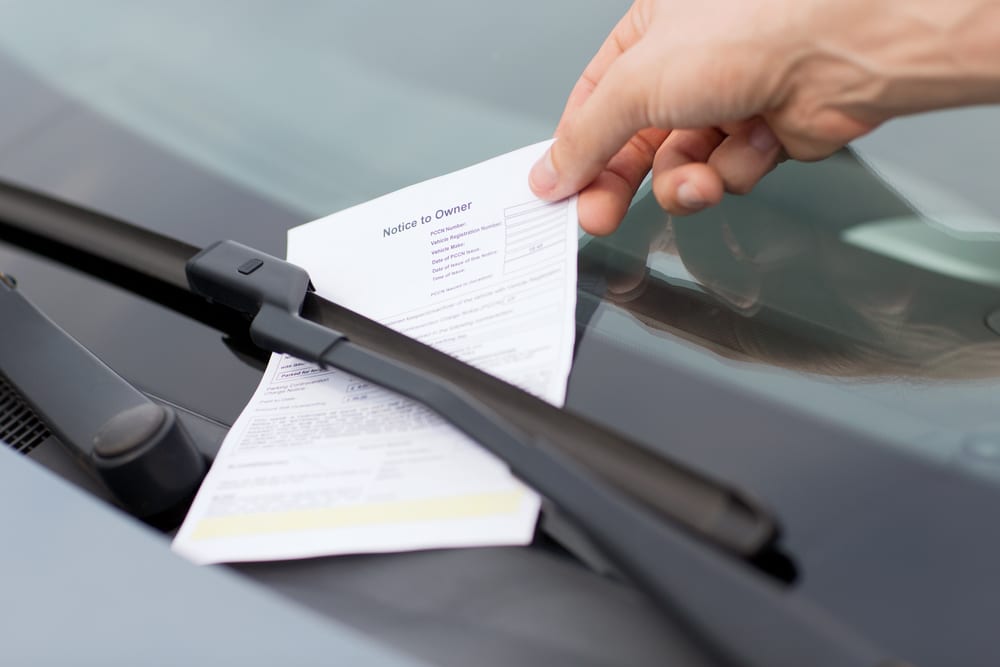
The Code of Maryland defines all the laws in the state, including all traffic laws. There are several ways a person may unintentionally violate a transportation statute and incur penalties. Different penalties are involved in all the different types of traffic offenses described in the Code. Likewise, there are a variety of methods a person may employ to resolve a traffic offense in the state. Due to the varying circumstances of each case, it may be beneficial to contact a Baltimore traffic lawyer to understand the nature of the charges. If you have received a citation for a traffic violation, Hillel Traub of The Law Office of Hillel Traub can help you understand what steps you should take to achieve a positive outcome. Table of Contents Traffic Charges You May Face in Maryland Serious Traffic Offenses Payable and Must-Appear Offenses Contact a Baltimore Traffic Attorney Today Traffic Charges You May Face in Maryland There are two different types of charges you may face for a traffic violation in Maryland: a minor and a serious traffic infraction. Minor traffic infractions are the least severe violations in the Transportation Code of Maryland. Some examples of minor traffic infractions are: Speeding (at 1 to 10 miles per hour over the limit) Broken headlight Failing to wear a seatbelt Failing to use a turn signal Traffic infractions do not lead to severe consequences such as jail time. You may have to pay a fine, or you can employ a traffic lawyer to help you resolve the matter in such a way that you may avoid points against your license. Serious Traffic Offenses Some traffic violations in Maryland are considered “serious” offenses that may lead to more severe sentencing upon a conviction. An example of a serious traffic offense is vehicular manslaughter, which occurs when a person other than the driver is killed as a result of negligent driving. A serious traffic offense may lead to several years of imprisonment and fines in the thousands of dollars. Payable and Must-Appear Offenses A person can resolve a payable violation by paying a traffic ticket. He or she does not need to appear in court to take care of a payable crime; however, it’s important to keep in mind that simply paying a ticket is an admission of guilt. A payable traffic offense is not punishable by incarceration. Payable offenses can be resolved one of three ways: pay the ticket (admit guilt), request a waiver hearing (admit guilt, but explain to the judge the circumstances of the offense), or hire a Baltimore traffic lawyer to fight the ticket. No matter which option you choose, you have just 30 days to respond. If you fail to respond in this time frame, the MVA may suspend your license. Must-appear offenses are severe violations for which a person risks incarceration if he or she is convicted of the offense. Must-appear traffic offenses include: DUI Fleeing and evading police Leaving the scene of an accident Driving with a suspended license If you are charged with a must-appear traffic violation, you cannot simply pay a fine. You must appear in court on the date and time listed on the notice the MVA sends you by mail. Your best option for fighting a must-appear offense is to align yourself with a competent traffic defense lawyer. Contact a Baltimore Traffic Attorney Today If you are unsure about what steps you should take to fight your traffic ticket, Baltimore traffic lawyer Hillel Traub can provide guidance and peace of mind. With over 20 years of experience, he can develop a strategy that will help you overcome your traffic violation. As the former Assistant Attorney General for the MVA, he is beyond qualified to resolve your ticket. Call (410) 352-7575 for a free consultation.

Understanding License Restrictions in Maryland

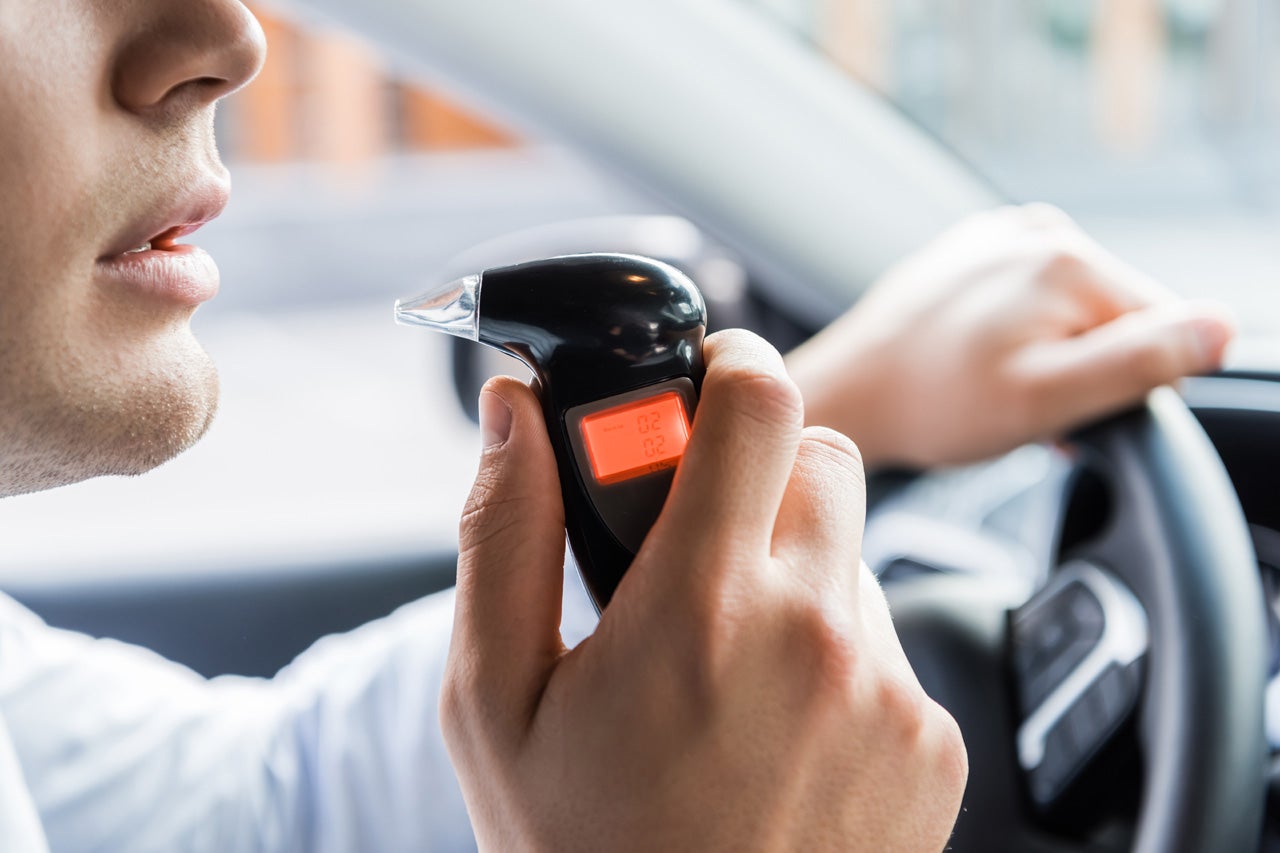
Driving is a privilege, and every state has rules and regulations that drivers must follow to drive legally. In Maryland, drivers may be subject to certain license restrictions for a variety of reasons, including medical conditions, and driving or criminal history. Types of restrictions may include Ignition Interlock Device restrictions, alcohol or drug restrictions, work and education restrictions, and others. Failure to comply with licensing restrictions may result in a traffic charge and license suspension or revocation. A restricted license lawyer can help you if you are subjected to licensing restrictions by fighting to get a different penalty imposed or to understand your specific restrictions. At The Law Office of Hillel Traub, we offer effective and trusted legal representation at every step of the legal process so your rights are protected. Table of Contents What Are License Restrictions? Penalties for License Restriction Violations 3 Types of License Restrictions in Maryland 1. Ignition Interlock Device Restrictions 2. Alcohol/Drug Restrictions 3. Work and Education Restrictions Contact the Experienced Traffic Lawyer at The Law Office of Hillel Traub What Are License Restrictions? A license restriction is a limitation placed on a driver’s license that restricts or prohibits certain driving activities as a result of a judge’s decision in court or a hearing. They may be imposed for various reasons. Ultimately, it serves as a way to protect the driver and others at risk on the road. Penalties for License Restriction Violations If a driver violates a licensing restriction, their license may be suspended or revoked. There may be other penalties associated with specific restrictions, including the following: Violation of Ignition Interlock Device restriction: Depending on the violation, you may be subject to an extension of your IID requirement period, revocation or suspension of your driver’s license, and/or a $1,000 fine. Alcohol/drug restriction: Driving a vehicle in violation of an alcohol restriction carries a maximum penalty of 60 days in jail and a $500 fine. In Maryland, violating a licensing restriction is a misdemeanor offense. Speak with an experienced license restriction lawyer for an assessment of your case to understand your best legal options to challenge any penalties against you. 3 Types of License Restrictions in Maryland There are various types of licensing restrictions in Maryland. Depending on your unique situation, one of the following types may be placed on your license: 1. Ignition Interlock Device Restrictions Maryland drivers who have been convicted of certain DUI offenses may be required to install an Ignition Interlock Decide on their vehicle in order to drive. This requires the driver to pass a breathalyzer test before starting their vehicle and may also mandate periodic testing while driving. 2. Alcohol/Drug Restrictions You may be subject to an alcohol or drug license restriction if you are convicted of a drug or alcohol charge. This may be a condition of probation. 3. Work and Education Restrictions When a driver takes a breathalyzer test and blows between .08 and .14, the penalty may include a 45-day license suspension. In this situation, you may get a permit that will only allow you to drive to designated locations such as work, school, or medical appointments, as well as to and from any kind of court-ordered activities. Contact the Experienced Traffic Lawyer at The Law Office of Hillel Traub Retain the help of an experienced license restriction lawyer at The Law Office of Hillel Traub if you are at risk of getting your license suspended due to a DUI or other type of violation. It can be challenging to navigate Maryland laws without legal guidance. Attorney Hillel Traub has over 30 years of experience fighting cases relating to license restrictions. As a former lawyer for the MVA, he can help you assess your best legal options and fight any licensing restrictions. Schedule a complimentary consultation by calling (410) 352-7575 or filling out our contact form.

Hand holding umbrella wood block cover Insurance icon. healthcar

Understanding Exactly What Umbrella Insurance Does

Like an umbrella shielding you from unexpected downpours, umbrella insurance offers a protective canopy against unforeseen financial storms. Despite its benefits, for many, the specifics of what umbrella insurance covers and how it works remain mysterious. From its coverage limits to the types of incidents it protects against, understanding the intricacies of umbrella insurance can empower you with the knowledge needed to make informed decisions about your insurance coverage. At The Law Office of Hillel Traub, we provide injured victims with clear, comprehensive guidance on insurance, liability, and their rights. With over 30 years of experience and a deep understanding of Maryland personal injury law, Attorney Hillel Traub has the skills required to give you the personalized legal support you need to ensure you are well-protected and informed after an accident. Table of Contents What Marylanders Should Know About Umbrella Insurance Secure Top-Notch Legal Representation from an Experienced Maryland Attorney What Marylanders Should Know About Umbrella Insurance In Maryland, umbrella insurance acts as a safety net, providing an extra layer of protection beyond what your standard insurance policies offer. This type of insurance provides an extra layer of liability coverage beyond the limits of your standard policies, such as auto, home, or boat insurance. By extending your protection, umbrella insurance helps safeguard your assets and future earnings from potentially devastating claims and lawsuits. Examples of situations that umbrella insurance can help with in Maryland include: Personal injury claims: If your negligence resulted in bodily injury or emotional distress to someone else, umbrella insurance can help cover the resulting medical expenses, rehabilitation costs, and even legal fees associated with defending against a lawsuit. Property damage: Accidents happen, and if you unintentionally damage another person’s property – whether it’s their vehicle, home, or personal belongings – umbrella insurance can help cover the cost of repairs or replacement. Serious car accidents: If you are found liable for a major car accident that results in severe injuries or significant property damage, your auto insurance may not cover all the costs. Umbrella insurance cover the excess amount, protecting you from out-of-pocket expenses. Home incidents: Accidents at home, like a guest slipping on your icy driveway or a dog bite incident, can lead to expensive medical bills and legal fees. An umbrella insurance policy will cover the additional liabilities that exceed your homeowners’ policy limits. Rental properties: If you own rental properties, umbrella insurance can provide additional liability coverage in case a tenant or visitor suffers an injury on your property and decides to sue you. Recreational activities: Accidents involving boats, ATVs, or other recreational vehicles can result in significant liability claims. Umbrella insurance offers extended coverage beyond what your primary policies provide. Legal defense costs: Regardless of the specific incident, umbrella insurance typically covers legal defense costs in Maryland, including attorney fees, court costs, and settlements or judgments. This helps to protect your financial assets and future earnings in the event of a lawsuit. Umbrella insurance is not just for the wealthy; even middle-income earners can face substantial financial risks from lawsuits and liability claims in Maryland. The relatively low cost of umbrella insurance compared to the high coverage it provides typically makes it a prudent investment for peace of mind. Secure Top-Notch Legal Representation from an Experienced Maryland Attorney At The Law Office of Hillel Traub, we understand the importance of comprehensive protection in the face of life’s uncertainties. Led by Attorney Hillel Traub, with over 30 years of experience and a background as a former attorney for the Maryland Motor Vehicle Administration (MVA), our firm is dedicated to advocating for the rights of individuals who have suffered personal injuries. Whether you are facing the aftermath of a car accident, slip-and-fall incident, or any other injury-causing event, we are here to provide adept legal guidance and unwavering support every step of the way. Call (410) 352-7575 or fill out our contact form to schedule your free consultation today.

Understanding Early Expungement in Maryland

Having a criminal record can impact your life in a number of ways, from making it difficult to find a job to limiting your ability to obtain loans or housing. Fortunately, in Maryland, individuals convicted of certain crimes or who received Probation Before Judgment (PBJ), except for alcohol-related offenses, may be eligible for early expungement. An early expungement is a process of removing criminal records from public view before the waiting period ends, which is generally three or more years, depending on the circumstances. While a waiting period may not be a problem for some, for others, a criminal record can be detrimental to their lives in some aspects during the waiting period. If you are experiencing hardship due to having a criminal record during the waiting period, you may be able to receive an early expungement at any time with the help of an experienced Maryland lawyer from The Law Office of Hillel Traub. Table of Contents What Is Early Expungement for Criminal Records? Early Expungement Requirements in Maryland Contact the Early Expungement Lawyer at The Law Office of Hillel Traub What Is Early Expungement for Criminal Records? Expungement is the process of removing criminal records from public view. In Maryland, certain types of criminal records may be expunged, including records related to arrests, charges, and convictions for certain crimes. An early expungement allows individuals to clear their records sooner than they would be able to otherwise. You may be eligible for early expungement if you meet certain criteria, such as: You were found not guilty The charges were dismissed The prosecutor dropped the case You received probation before judgment Your case was indefinitely postponed Early expungement can help you move forward and put the past behind you, giving you the opportunity to pursue your goals without the burden of a criminal record. However, pursuing an early expungement is a laborious and difficult task that requires knowledge of the underlying procedural law. Early Expungement Requirements in Maryland If an individual is eligible for early expungement, they may have their record cleared immediately or after a short waiting period. To receive an early expungement, you must demonstrate to a judge that you have a “good cause” or good reason for getting an early expungement. For example, a “good cause” for an early expungement is if you are undergoing extreme and verifiable problems with obtaining employment. Other examples of “good cause” may exist, including the following: Housing discrimination Academic discrimination An early expungement lawyer will prepare and file necessary documentation on your behalf that explains and demonstrates to the court that “good cause” exists for an early expungement. At The Law Office of Hillel Traub, we can represent you at a contested hearing if you face any obstacles or challenges to obtaining an early expungement. Contact the Early Expungement Lawyer at The Law Office of Hillel Traub A criminal record can have a considerable impact on your life, but in Maryland, you may be eligible for early expungement if you are experiencing hardship due to a criminal record. Consult an experienced early expungement lawyer at The Law Office of Hillel Traub to understand your rights and options. As a former expungement lawyer, Attorney Hillel Traub can help you move forward from a criminal record. He will work hard to make sure that your rights are protected every step of the way. Schedule a complimentary consultation by calling (410) 352-7575 or filling out our contact form today.

Contact Us

*Required Fields