Blog

All Traffic Violations CLD Violations Personal Injury Traffic Ticket
Is the Smell of Alcohol Enough to Suspend Your License in Maryland?

Is the Smell of Alcohol Enough to Suspend Your License in Maryland?

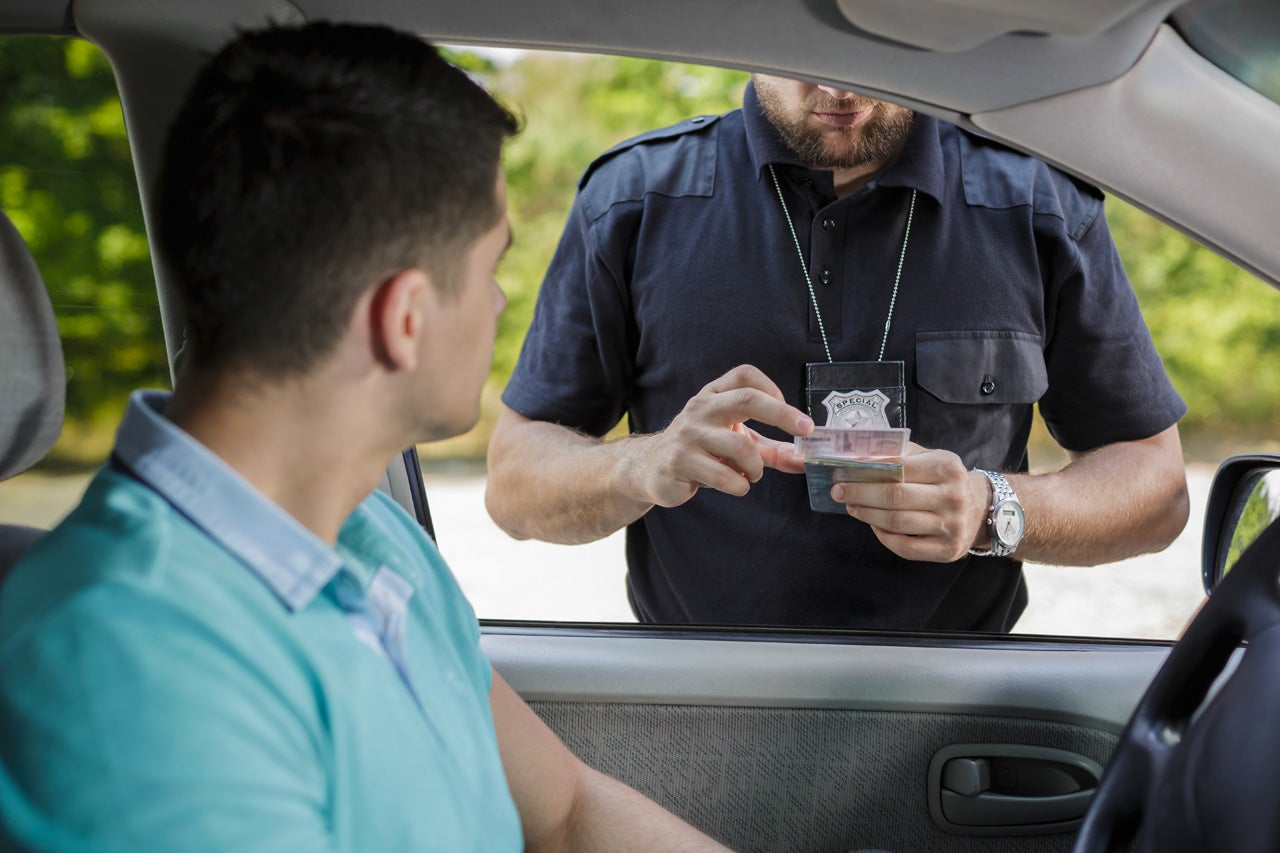
Police officers periodically set up driving under the influence (DUI) checkpoints all across Maryland to combat drunk drivers and keep everyone safe. As long as you are sober, you should be fine. However, the smell of alcohol alone may be enough to face legal issues regarding your driver’s license in Maryland. If you face DUI charges in Maryland, contact Attorney Hillel Traub of the Law Office of Hillel Traub. He’s well-versed in fighting drunk driving charges, and he can help you understand the potential consequences of a conviction. Can I Be Arrested If a Police Officer Smells Alcohol in My Car? In September 2011, a Maryland Police State Trooper pulled over a driver for a traffic violation. The officer then detected a moderate amount of alcohol from the driver and asked him to complete a standardized field sobriety test. The driver refused, and there was also no indication that he had trouble driving. Additionally, there was no evidence the driver had slurred speech or difficulty walking and standing. Yet, the police officer detained the man, transported him to the police station, and demanded he take a breath test. Table of Contents Can I Be Arrested If a Police Officer Smells Alcohol in My Car? What Are the Penalties for Refusing a DUI Test in Maryland? Contact a Skilled Maryland DUI Defense Attorney Today The man still refused, and his case eventually came before a Maryland court. He argued that there was not enough evidence of drunkenness to warrant a breath test. However, the Maryland Court of Appeals disagreed, holding that the smell of alcohol by itself was sufficient enough to require a sobriety test. Furthermore, the court stated that a police officer cannot arrest a driver solely on a moderate odor of alcohol on their breath. What Are the Penalties for Refusing a DUI Test in Maryland? The Court also ruled that an officer alleging the smell of alcohol is enough to suspend a driver’s license for 120 days. Refusing a breathalyzer test when a police officer has suspicion that you are driving under the influence results in an automatic 270-day license suspension. A second suspension can result in a one-year license suspension. The only exception to having your license reinstated is to contact the Maryland Motor Vehicle Administration (MVA) within 10 days of the incident and request a hearing. If the MVA permits a hearing, they may reinstate your driving privileges if you install an ignition interlock device (IID). Contact a Skilled Maryland DUI Defense Attorney Today Whether an officer smells alcohol or you refuse a breathalyzer test, there will be repercussions that could affect your future. Even first-time DUI offenders will require the support of an experienced DUI defense attorney to achieve the best possible outcome for their case. Attorney Hillel Traub can explain your options and assess your case for potential defenses. He uses his former experience as an attorney for the MVA and crafts a robust defense for each case to protect his clients’ rights. To schedule a free consultation, call (410) 352-7575 or complete our contact form.
Is It Necessary to Add My Teen Driver to My Insurance?

Is It Necessary to Add My Teen Driver to My Insurance?

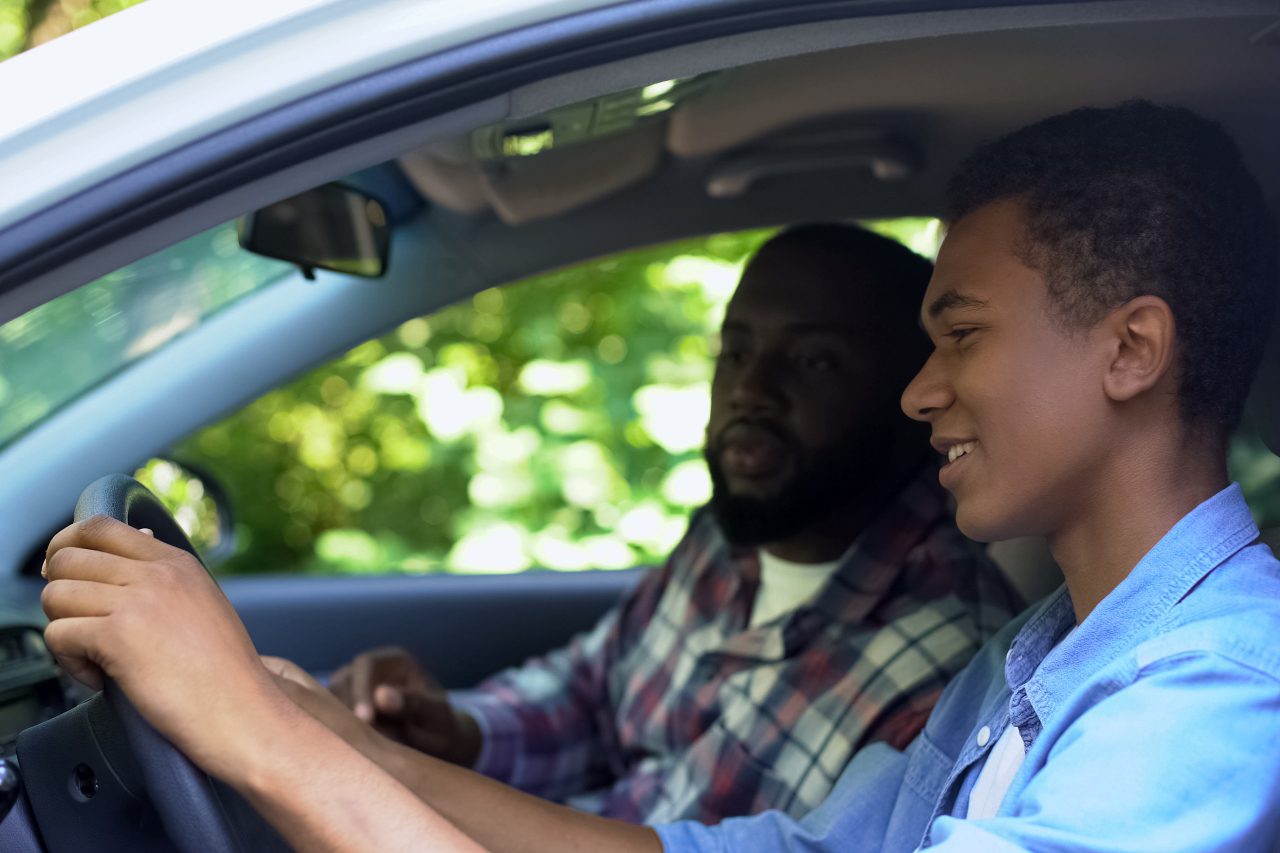
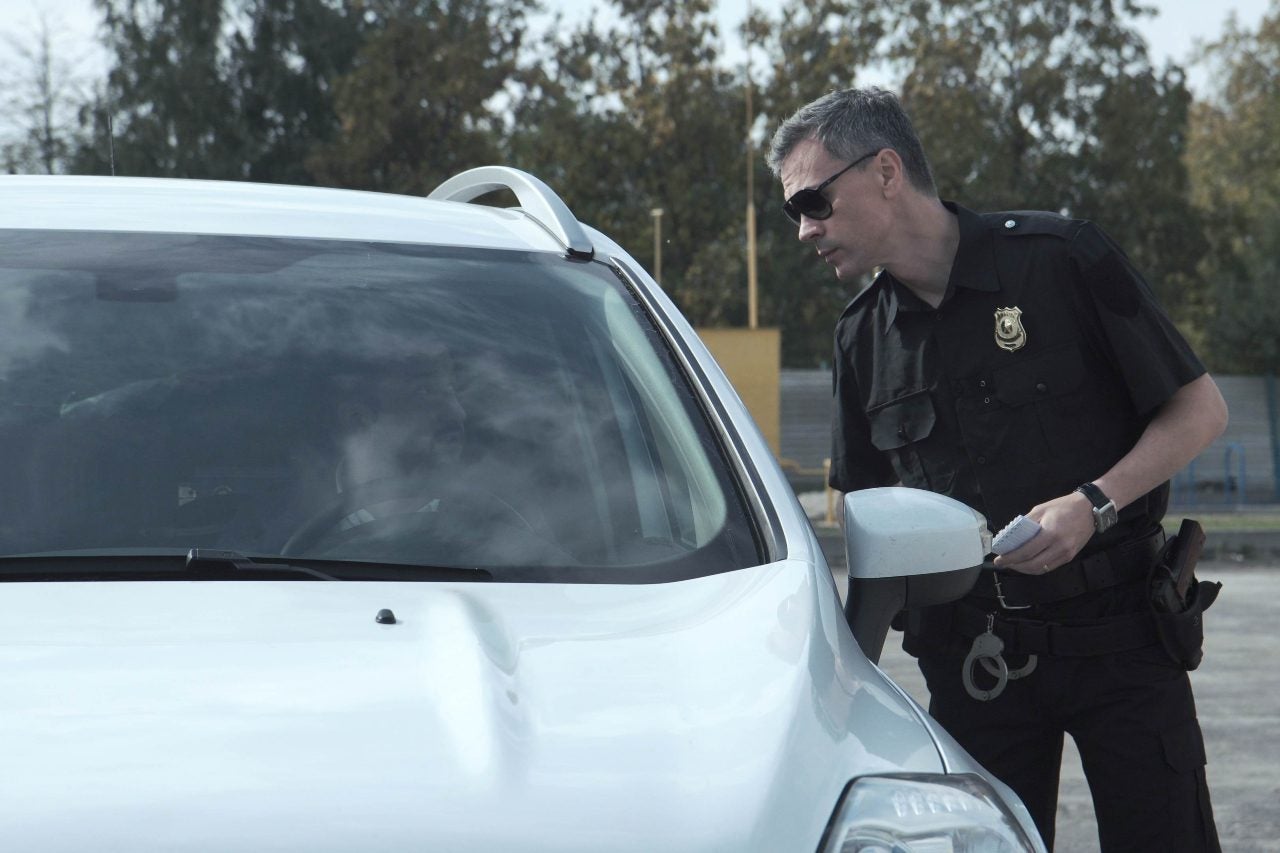
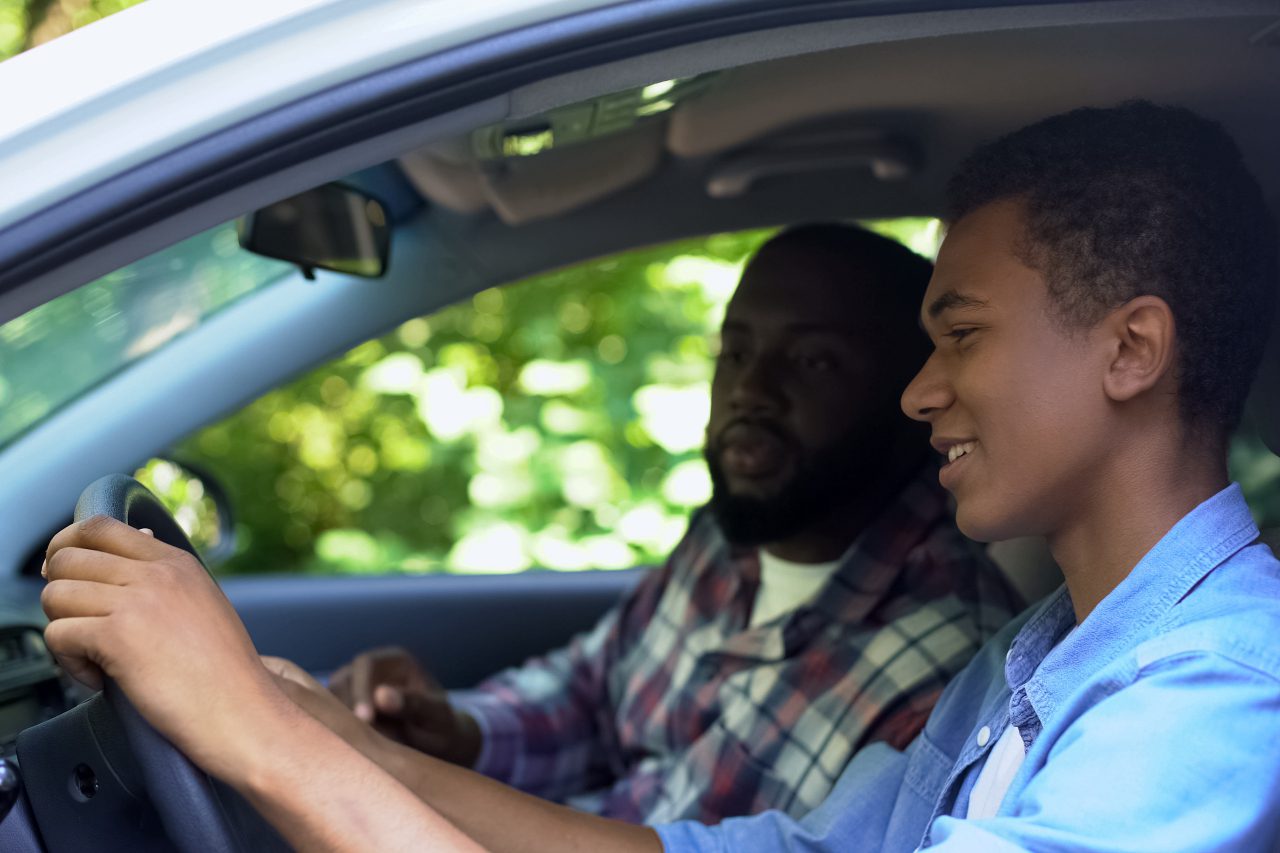
While your teenager may feel excited about their driver’s license and can’t wait to get out on the road, as a parent, you may feel anxious about the financial challenges and dangers out on the road. Not only are young drivers inexperienced and more likely to get into accidents, but they also need insurance in case of emergencies.Insurance for young drivers is more expensive because they are statistically more likely to get into accidents and experience trouble. You might question if putting them on your insurance is the right thing to do. However, all drivers must have auto insurance in Maryland, and if your teen is not on your insurance plan, they’ll need their own policy, and that can be even more extensive. What Will Happen When I Add My Teen to My Insurance? Maryland is one of 9 states that requires adding a teen driver to your car insurance policy. Adding your teen driver to your insurance is a cost-effective decision. An essential factor to note is who owns the vehicle they are driving. If the car is under their name, they are unable to fall under your policy. However, if they live in your household and drive one of the family cars, you can register them under your policy.Many parents opt for this option to save money and time. While you will start to pay more due to the risk of the other person, most young teen drivers are unable to pay for their insurance on their own and need financial assistance. If they drive without insurance and get into an accident, they can suffer severe consequences that can shape their future. Talk with your car accident attorney for more information on the best options for you and your family. 3 Ways to Prepare Your Teen for the Road An essential component to keeping your insurance down and teenagers safe is preparing them for the road. Most young drivers only think about how exciting it is to drive and have new responsibilities. Follow the below suggestions to keep your teen safe and aware of driving dangers: Enroll in Driving Safety Program There are many great educational courses available for young drivers that help them gain practice and learn about how to stay safe on the road. While you may think that it’s better for you to teach them these essential skills, sometimes teenagers find it difficult to listen to their parents. Set a Good Example Children are constantly observing and minding their parent’s behavior. Following by example is an innate human behavior and helps us understand our surroundings and situations. When you follow the rules and drive safely, your children will most often follow your behavior. Let Them Take the Wheel Practice makes perfect. The more you offer your child to drive with you, the calmer they may feel without an authority figure helping them. You can catch unsafe mistakes and help your teen through stressful situations in a calm manner.With their new ability to drive, your teen will no longer need to ride the school bus or ask you to drive them to a friend’s house. This can feel frightening and exciting, but following the above suggestions can help you and your teen feel safe and prepared for the new uncharted territory. Contact the Law Office at Hillel Traub for a Dependable Car Accident Lawyer In situations where your teen has a traffic violation or gets into an accident, you may be at risk of a significant increase in insurance payments. Even if your child was not at fault, insurance companies could significantly increase your payments. If you find yourself in a similar situation, contact the Law Office of Hillel Traub for an experienced car accident lawyer. Attorney Hillel Traub has experience working with clients all across Maryland and providing them with the necessary tools and information for their case. Call (410) 352-7575 or fill out our contact form for more information about our services.

Is It Necessary to Add My Teen Driver to My Insurance?

Is It Necessary to Add My Teen Driver to My Insurance?

While your teenager may feel excited about their driver’s license and can’t wait to get out on the road, as a parent, you may feel anxious about the financial challenges and dangers out on the road. Not only are young drivers inexperienced and more likely to get into accidents, but they also need insurance in case of emergencies.Insurance for young drivers is more expensive because they are statistically more likely to get into accidents and experience trouble. You might question if putting them on your insurance is the right thing to do. However, all drivers must have auto insurance in Maryland, and if your teen is not on your insurance plan, they’ll need their own policy, and that can be even more extensive. What Will Happen When I Add My Teen to My Insurance? Maryland is one of 9 states that requires adding a teen driver to your car insurance policy. Adding your teen driver to your insurance is a cost-effective decision. An essential factor to note is who owns the vehicle they are driving. If the car is under their name, they are unable to fall under your policy. However, if they live in your household and drive one of the family cars, you can register them under your policy.Many parents opt for this option to save money and time. While you will start to pay more due to the risk of the other person, most young teen drivers are unable to pay for their insurance on their own and need financial assistance. If they drive without insurance and get into an accident, they can suffer severe consequences that can shape their future. Talk with your car accident attorney for more information on the best options for you and your family. 3 Ways to Prepare Your Teen for the Road An essential component to keeping your insurance down and teenagers safe is preparing them for the road. Most young drivers only think about how exciting it is to drive and have new responsibilities. Follow the below suggestions to keep your teen safe and aware of driving dangers: Enroll in Driving Safety Program There are many great educational courses available for young drivers that help them gain practice and learn about how to stay safe on the road. While you may think that it’s better for you to teach them these essential skills, sometimes teenagers find it difficult to listen to their parents. Set a Good Example Children are constantly observing and minding their parent’s behavior. Following by example is an innate human behavior and helps us understand our surroundings and situations. When you follow the rules and drive safely, your children will most often follow your behavior. Let Them Take the Wheel Practice makes perfect. The more you offer your child to drive with you, the calmer they may feel without an authority figure helping them. You can catch unsafe mistakes and help your teen through stressful situations in a calm manner.With their new ability to drive, your teen will no longer need to ride the school bus or ask you to drive them to a friend’s house. This can feel frightening and exciting, but following the above suggestions can help you and your teen feel safe and prepared for the new uncharted territory. Contact the Law Office at Hillel Traub for a Dependable Car Accident Lawyer In situations where your teen has a traffic violation or gets into an accident, you may be at risk of a significant increase in insurance payments. Even if your child was not at fault, insurance companies could significantly increase your payments. If you find yourself in a similar situation, contact the Law Office of Hillel Traub for an experienced car accident lawyer. Attorney Hillel Traub has experience working with clients all across Maryland and providing them with the necessary tools and information for their case. Call (410) 352-7575 or fill out our contact form for more information about our services.

Is it Legal to Pass on the Right in Maryland?

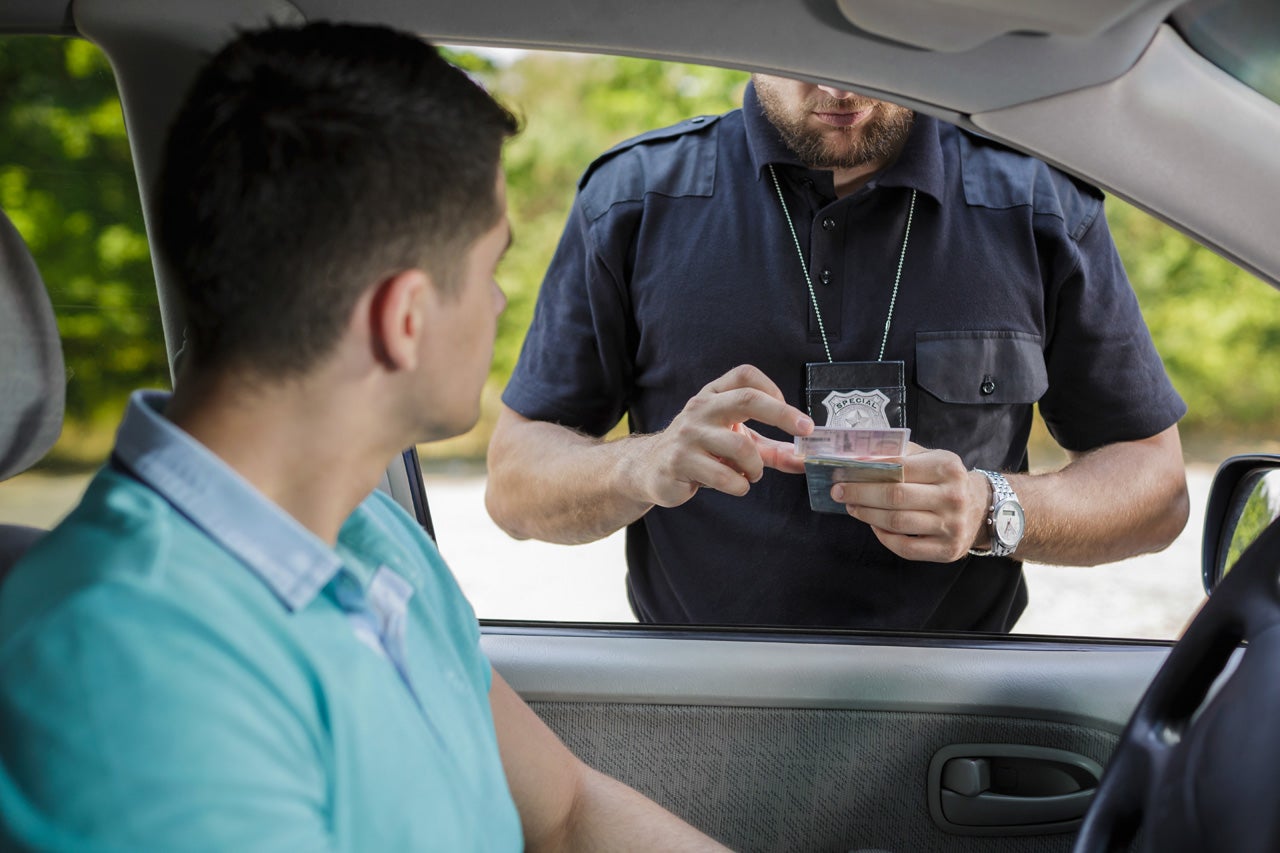
When driving down a multi-lane road, drivers occasionally have to pass the car in front of them. They typically do this on the left side of the road, but many wonder if they’re allowed to pass on the right side in Maryland. Ultimately, it depends on the situation. Like many other states, the decision is left up to the driver if they deem it safe, but Maryland does have specific regulations regarding when you may pass on the right. If you received a traffic ticket for passing on the right, reach out to The Law Office of Hillel Traub for legal assistance. Attorney Hillel Traub is a skilled traffic defense attorney who will investigate your violation and fight to have it dismissed. Table of Contents Maryland Law on Right-Side Passing Possible Defenses an Attorney Can Use to a Passing on the Right Traffic Ticket Contact a Skilled Traffic Violation Lawyer in Maryland Maryland Law on Right-Side Passing Section 21-303 of the Maryland Transportation Article titled General Rules Governing Overtaking and Passing Vehicles states that, in general, vehicles must pass others on the left. However, subsection D of the code permits passing on the right in certain circumstances. Those circumstances are detailed further in Section 21-304, titled When Passing on the Right is Permitted. A driver can pass on the right in Maryland when: The overtaken vehicle is making a left-hand turn. Drivers are on highways that are wide enough for two or more traffic lanes going in the same direction. Drivers are on one-way roads where there’s no obstruction and wide enough for two or more lanes of moving traffic. As long as you make a reasonably safe decision, it’s legal to pass on the right. Keep in mind that right-hand passing is more dangerous as you have a larger blind spot, making it easier to cause a car crash. Most exit ramps are also on the right, meaning many drivers are already merging from the far-right lane. If a cop sees you pass on the right and does not think the move was safe, they may issue a citation. Possible Defenses an Attorney Can Use to a Passing on the Right Traffic Ticket The most common defense your Maryland traffic attorney will use is to argue that it was safe to pass on right. You may testify about the road conditions and rely on a cop’s dash cam as evidence to support your defense. Your attorney might also be able to determine whether other police officers issued similar citations in the location where you were stopped. If they didn’t, it could strengthen your case. Contact a Skilled Traffic Violation Lawyer in Maryland Your best defense to a passing on the right violation that you believed it was safe to merge at that time. This will be hard to prove without skilled representation, so you’ll need the assistance of a Maryland traffic attorney. Hillel Traub is an accomplished legal professional with over 20 years of experience. As a former attorney for the Maryland Motor Vehicle Administration, he has a unique understanding of traffic violations other attorneys do not. This makes him an ideal option for effective representation after a traffic ticket. Call (410) 352-7575 or complete an online contact form today to schedule your free consultation.

Is it Legal to Pass on the Right in Maryland?

When driving down a multi-lane road, drivers occasionally have to pass the car in front of them. They typically do this on the left side of the road, but many wonder if they’re allowed to pass on the right side in Maryland. Ultimately, it depends on the situation. Like many other states, the decision is left up to the driver if they deem it safe, but Maryland does have specific regulations regarding when you may pass on the right. If you received a traffic ticket for passing on the right, reach out to The Law Office of Hillel Traub for legal assistance. Attorney Hillel Traub is a skilled traffic defense attorney who will investigate your violation and fight to have it dismissed. Table of Contents Maryland Law on Right-Side Passing Possible Defenses an Attorney Can Use to a Passing on the Right Traffic Ticket Contact a Skilled Traffic Violation Lawyer in Maryland Maryland Law on Right-Side Passing Section 21-303 of the Maryland Transportation Article titled General Rules Governing Overtaking and Passing Vehicles states that, in general, vehicles must pass others on the left. However, subsection D of the code permits passing on the right in certain circumstances. Those circumstances are detailed further in Section 21-304, titled When Passing on the Right is Permitted. A driver can pass on the right in Maryland when: The overtaken vehicle is making a left-hand turn. Drivers are on highways that are wide enough for two or more traffic lanes going in the same direction. Drivers are on one-way roads where there’s no obstruction and wide enough for two or more lanes of moving traffic. As long as you make a reasonably safe decision, it’s legal to pass on the right. Keep in mind that right-hand passing is more dangerous as you have a larger blind spot, making it easier to cause a car crash. Most exit ramps are also on the right, meaning many drivers are already merging from the far-right lane. If a cop sees you pass on the right and does not think the move was safe, they may issue a citation. Possible Defenses an Attorney Can Use to a Passing on the Right Traffic Ticket The most common defense your Maryland traffic attorney will use is to argue that it was safe to pass on right. You may testify about the road conditions and rely on a cop’s dash cam as evidence to support your defense. Your attorney might also be able to determine whether other police officers issued similar citations in the location where you were stopped. If they didn’t, it could strengthen your case. Contact a Skilled Traffic Violation Lawyer in Maryland Your best defense to a passing on the right violation that you believed it was safe to merge at that time. This will be hard to prove without skilled representation, so you’ll need the assistance of a Maryland traffic attorney. Hillel Traub is an accomplished legal professional with over 20 years of experience. As a former attorney for the Maryland Motor Vehicle Administration, he has a unique understanding of traffic violations other attorneys do not. This makes him an ideal option for effective representation after a traffic ticket. Call (410) 352-7575 or complete an online contact form today to schedule your free consultation.

refusing breathalyzer test in maryland

Is It Illegal to Refuse a Breathalyzer Test in Maryland?

When you’re driving and you see flashing blue lights appear behind your vehicle, it can be an intimidating experience for any Maryland driver. If the police officer begins asking whether you’ve had anything to drink, the experience becomes especially alarming. When law enforcement suspects that you’re driving under the influence of drugs or alcohol, they will ask you to take a breathalyzer test so your blood alcohol content (BAC) can be measured. If you experience this, you’ll undoubtedly wonder whether you can refuse the breath test. In Maryland, anyone who drives a vehicle is considered to have consented to a chemical or breath test when lawfully stopped for suspicion of intoxicated driving—a law known as implied consent. But does this give law enforcement full entitlement to request a breathalyzer test from you? Let’s consider what may happen if you refuse. Table of Contents When Do Police Officers Require a Breathalyzer Test from Drivers in Maryland? What Happens If I Refuse a Breathalyzer Test in Maryland? What Should I Do If I’m Pulled Over for Suspected DUI in Maryland? Consult with an Experienced Baltimore DUI Attorney When Do Police Officers Require a Breathalyzer Test from Drivers in Maryland? Police officers use breathalyzer tests when they have reasonable suspicion that a driver is under the influence of alcohol. The test measures the driver’s BAC, and any reading over the legal limit of .08 may result in an arrest for DUI. However, despite the widespread use of breathalyzer tests, they are not always accurate. It’s critical for Maryland drivers to understand that law enforcement can only ask you to take a breath test if you’ve been legally detained or pulled over for alleged DUI. Any police officer who pulls you over without probable cause to question whether you’re intoxicated while driving may be infringing on your rights. Causes for law enforcement to develop reasonable suspicion of DUI include: Reckless driving or excessive speed Slurred speech or the smell of alcohol on the breath Admission to drinking earlier that day Strange behavior, like acting sleepy or jittery Failure of a field sobriety test What Happens If I Refuse a Breathalyzer Test in Maryland? Refusing a breathalyzer test when a police officer has reasonable suspicion to suspect you of driving under the influence results in an automatic suspension of your Maryland driver’s license for 270 days. A second offense can result in a license suspension for one year. The only exception to having your driving privileges suspended after refusing a breathalyzer test is if you contact the Motor Vehicle Administration (MVA) within ten days of the incident and request a hearing. If the MVA permits a hearing, be prepared to have an ignition interlock device (IID) set up in your vehicle to maintain your driving privileges in Maryland. Driving with an IID on your vehicle can be laborious. There’s an additional expense involved in installing the device that you’ll be required to pay, and each time you need to start your vehicle and at specific intervals while driving, you must blow into the IID. The device measures your BAC, and if any alcohol is picked up, the MVA could again suspend your driving privileges. What Should I Do If I’m Pulled Over for Suspected DUI in Maryland? It is often in your best interest to agree to the breath test when pulled over in Maryland. With a first offense DUI, you can generally obtain probation before judgment if found guilty, with some exceptions. Probation before judgement means you are not convicted, nor will points be assessed to your driver’s license. No matter what you decide, it is imperative that you contact a Maryland DUI attorney as early as possible. You could face additional penalties for either refusing or accepting a breathalyzer test, such as fines and a criminal offense on your record. A qualified DUI attorney can tell you how to effectively manage either situation to protect your Maryland driver’s license and freedom. Consult with an Experienced Baltimore DUI Attorney Whether you refuse or accept a breathalyzer test in Maryland when stopped for suspicion of DUI, there will be repercussions that could harm your future. Even first-time DUI offenders require legal support to assist them in achieving the best possible case result. Some DUI convictions involve a jail sentence, fines, points on your driver’s license, and compulsory treatment. An accomplished Maryland DUI attorney can explain your options in detail and assess your case for prospective defenses. If you complied with taking a breathalyzer test, there might be weaknesses in the state’s case against you. Even if you submitted to a breathalyzer test, that doesn’t mean that there aren’t flaws in the system that can be used to your benefit. Attorney Hillel Traub of The Law Office of Hillel Traub has been representing clients in Baltimore and throughout Maryland for over 20 years. Hillel Traub uses his experience as a former Assistant Attorney General for the MVA and tailors a strong defense for each case to protect his clients’ rights and driving privileges. To schedule a free consultation with Hillel Traub to discuss your DUI matter, complete a contact form, or call (410) 352-7575.

refusing breathalyzer test in maryland

Is It Illegal to Refuse a Breathalyzer Test in Maryland?

When you’re driving and you see flashing blue lights appear behind your vehicle, it can be an intimidating experience for any Maryland driver. If the police officer begins asking whether you’ve had anything to drink, the experience becomes especially alarming. When law enforcement suspects that you’re driving under the influence of drugs or alcohol, they will ask you to take a breathalyzer test so your blood alcohol content (BAC) can be measured. If you experience this, you’ll undoubtedly wonder whether you can refuse the breath test. In Maryland, anyone who drives a vehicle is considered to have consented to a chemical or breath test when lawfully stopped for suspicion of intoxicated driving—a law known as implied consent. But does this give law enforcement full entitlement to request a breathalyzer test from you? Let’s consider what may happen if you refuse. Table of Contents When Do Police Officers Require a Breathalyzer Test from Drivers in Maryland? What Happens If I Refuse a Breathalyzer Test in Maryland? What Should I Do If I’m Pulled Over for Suspected DUI in Maryland? Consult with an Experienced Baltimore DUI Attorney When Do Police Officers Require a Breathalyzer Test from Drivers in Maryland? Police officers use breathalyzer tests when they have reasonable suspicion that a driver is under the influence of alcohol. The test measures the driver’s BAC, and any reading over the legal limit of .08 may result in an arrest for DUI. However, despite the widespread use of breathalyzer tests, they are not always accurate. It’s critical for Maryland drivers to understand that law enforcement can only ask you to take a breath test if you’ve been legally detained or pulled over for alleged DUI. Any police officer who pulls you over without probable cause to question whether you’re intoxicated while driving may be infringing on your rights. Causes for law enforcement to develop reasonable suspicion of DUI include: Reckless driving or excessive speed Slurred speech or the smell of alcohol on the breath Admission to drinking earlier that day Strange behavior, like acting sleepy or jittery Failure of a field sobriety test What Happens If I Refuse a Breathalyzer Test in Maryland? Refusing a breathalyzer test when a police officer has reasonable suspicion to suspect you of driving under the influence results in an automatic suspension of your Maryland driver’s license for 270 days. A second offense can result in a license suspension for one year. The only exception to having your driving privileges suspended after refusing a breathalyzer test is if you contact the Motor Vehicle Administration (MVA) within ten days of the incident and request a hearing. If the MVA permits a hearing, be prepared to have an ignition interlock device (IID) set up in your vehicle to maintain your driving privileges in Maryland. Driving with an IID on your vehicle can be laborious. There’s an additional expense involved in installing the device that you’ll be required to pay, and each time you need to start your vehicle and at specific intervals while driving, you must blow into the IID. The device measures your BAC, and if any alcohol is picked up, the MVA could again suspend your driving privileges. What Should I Do If I’m Pulled Over for Suspected DUI in Maryland? It is often in your best interest to agree to the breath test when pulled over in Maryland. With a first offense DUI, you can generally obtain probation before judgment if found guilty, with some exceptions. Probation before judgement means you are not convicted, nor will points be assessed to your driver’s license. No matter what you decide, it is imperative that you contact a Maryland DUI attorney as early as possible. You could face additional penalties for either refusing or accepting a breathalyzer test, such as fines and a criminal offense on your record. A qualified DUI attorney can tell you how to effectively manage either situation to protect your Maryland driver’s license and freedom. Consult with an Experienced Baltimore DUI Attorney Whether you refuse or accept a breathalyzer test in Maryland when stopped for suspicion of DUI, there will be repercussions that could harm your future. Even first-time DUI offenders require legal support to assist them in achieving the best possible case result. Some DUI convictions involve a jail sentence, fines, points on your driver’s license, and compulsory treatment. An accomplished Maryland DUI attorney can explain your options in detail and assess your case for prospective defenses. If you complied with taking a breathalyzer test, there might be weaknesses in the state’s case against you. Even if you submitted to a breathalyzer test, that doesn’t mean that there aren’t flaws in the system that can be used to your benefit. Attorney Hillel Traub of The Law Office of Hillel Traub has been representing clients in Baltimore and throughout Maryland for over 20 years. Hillel Traub uses his experience as a former Assistant Attorney General for the MVA and tailors a strong defense for each case to protect his clients’ rights and driving privileges. To schedule a free consultation with Hillel Traub to discuss your DUI matter, complete a contact form, or call (410) 352-7575.

Is Driver’s License Revocation Permanent in Maryland?

Losing your Maryland driver’s license can be a major setback, especially if you rely on driving to get to work, school, or other important activities. In Maryland, your driver’s license can be revoked for various reasons, such as drunk driving, reckless driving, or accumulating too many points on your driving record. When your license is revoked, you are not allowed to drive legally in the state for a certain length of time, which can range from six months to 24 months, depending on the severity of the offense and your driving history. Even though license revocation may not always be permanent, the process of getting your license back can be complex and time-consuming. Attorney Hillel Traub at The Law Office of Hillel Traub can help you regain your legal rights to drive by simplifying the legal process and striving for the best results. Table of Contents License Revocation vs. License Suspension in Maryland What About License Revocation? Getting Your License Back After Revocation in Maryland Contact the Renowned License Revocation Lawyer at The Law Office of Hillel Traub License Revocation vs. License Suspension in Maryland Often, people use the terms license “suspension” and “revocation” interchangeably. However, license suspension is generally less serious. Suspension means that your license is temporarily taken away for a specific period of time, after which you can apply for reinstatement. The following are common reasons why you may get your license suspended: An accumulation of points on your driving record Failure to pay traffic tickets DUI charge Once the suspension period ends and you pay the required fees, your license will no longer be suspended. An indefinite suspension depends on taking specific action to lift the license suspension, which may include paying traffic tickets or child support. What About License Revocation? However, when your license is revoked, it is invalid in the state of Maryland. You will need to take the necessary steps to reapply for a new license after a specified period of time, which varies depending on the number of license revocations on your driving record. The following are waiting periods for obtaining a new license after revocation in Maryland: One revocation: 6-month waiting period Two revocations: 12-month waiting period Three revocations: 18-month waiting period Four or more revocations: 24-month waiting period Working with a Maryland traffic offense lawyer can help you reduce the number of obstacles standing between you and your driving privileges. Getting Your License Back After Revocation in Maryland Applying for a driver’s license after revocation is generally a straightforward, but lengthy, process. You must meet specific requirements to have your license reinstated. If you meet the criteria, you must contact the Maryland Motor Vehicle Administration’s Driver’s Wellness & Safety Division (DW&S) and request to have your license reinstated. The DW&S Division will request the following information: Your name Date of birth Current address Driver’s license number The Maryland Motor Vehicle Administration will review your driving record for any violations that may disqualify you. They will send you a denial letter if they find issues with your driving record. If no problems are found, they will send you an application form for a new license. Contact the Renowned License Revocation Lawyer at The Law Office of Hillel Traub Working with an experienced license revocation lawyer at The Law Office of Hillel Traub is a critical asset to ensure the resolution of problems that can stand between you and your driving privileges. As a former Assistant Attorney General for the MVA, attorney Hillel Traub has the skills necessary to fight for your legal rights and help you navigate the legal process. He also has over 30 years of experience fighting for his clients. Schedule a complimentary consultation today by calling (410) 352-7575 or filling out our contact form.

Is Driver’s License Revocation Permanent in Maryland?

Losing your Maryland driver’s license can be a major setback, especially if you rely on driving to get to work, school, or other important activities. In Maryland, your driver’s license can be revoked for various reasons, such as drunk driving, reckless driving, or accumulating too many points on your driving record. When your license is revoked, you are not allowed to drive legally in the state for a certain length of time, which can range from six months to 24 months, depending on the severity of the offense and your driving history. Even though license revocation may not always be permanent, the process of getting your license back can be complex and time-consuming. Attorney Hillel Traub at The Law Office of Hillel Traub can help you regain your legal rights to drive by simplifying the legal process and striving for the best results. Table of Contents License Revocation vs. License Suspension in Maryland What About License Revocation? Getting Your License Back After Revocation in Maryland Contact the Renowned License Revocation Lawyer at The Law Office of Hillel Traub License Revocation vs. License Suspension in Maryland Often, people use the terms license “suspension” and “revocation” interchangeably. However, license suspension is generally less serious. Suspension means that your license is temporarily taken away for a specific period of time, after which you can apply for reinstatement. The following are common reasons why you may get your license suspended: An accumulation of points on your driving record Failure to pay traffic tickets DUI charge Once the suspension period ends and you pay the required fees, your license will no longer be suspended. An indefinite suspension depends on taking specific action to lift the license suspension, which may include paying traffic tickets or child support. What About License Revocation? However, when your license is revoked, it is invalid in the state of Maryland. You will need to take the necessary steps to reapply for a new license after a specified period of time, which varies depending on the number of license revocations on your driving record. The following are waiting periods for obtaining a new license after revocation in Maryland: One revocation: 6-month waiting period Two revocations: 12-month waiting period Three revocations: 18-month waiting period Four or more revocations: 24-month waiting period Working with a Maryland traffic offense lawyer can help you reduce the number of obstacles standing between you and your driving privileges. Getting Your License Back After Revocation in Maryland Applying for a driver’s license after revocation is generally a straightforward, but lengthy, process. You must meet specific requirements to have your license reinstated. If you meet the criteria, you must contact the Maryland Motor Vehicle Administration’s Driver’s Wellness & Safety Division (DW&S) and request to have your license reinstated. The DW&S Division will request the following information: Your name Date of birth Current address Driver’s license number The Maryland Motor Vehicle Administration will review your driving record for any violations that may disqualify you. They will send you a denial letter if they find issues with your driving record. If no problems are found, they will send you an application form for a new license. Contact the Renowned License Revocation Lawyer at The Law Office of Hillel Traub Working with an experienced license revocation lawyer at The Law Office of Hillel Traub is a critical asset to ensure the resolution of problems that can stand between you and your driving privileges. As a former Assistant Attorney General for the MVA, attorney Hillel Traub has the skills necessary to fight for your legal rights and help you navigate the legal process. He also has over 30 years of experience fighting for his clients. Schedule a complimentary consultation today by calling (410) 352-7575 or filling out our contact form.

Is Brake Checking Illegal in Maryland?

Maryland’s roadways can be a breeding ground for tension and impatience among drivers. In our stop-and-go traffic, it is not uncommon to witness behaviors like brake checking. Unfortunately, these maneuvers can turn what would otherwise be a routine commute into a hazardous situation – but is it against the law? If you have found yourself entangled in legal issues related to brake checking or other aggressive driving maneuvers, The Law Office of Hillel Traub can help. With over 30 years of experience and a deep understanding of Maryland’s traffic laws, Attorney Hillel Traub is here to safeguard your rights and provide the guidance you need. Table of Contents What Maryland Drivers Should Know About Brake Checking What Is Brake Checking? Reckless Driving Aggressive Driving Seeking Legal Guidance After a Brake Checking Accident Were You Accused of Brake Checking? A Maryland Traffic Violation Attorney Can Help What Maryland Drivers Should Know About Brake Checking As drivers, we have likely encountered situations where someone abruptly hits the brakes, either as a form of expressing frustration or attempting to make a point. But is brake checking illegal in Maryland? What Is Brake Checking? Brake checking typically involves a driver deliberately slamming on their brakes in response to another vehicle closely following them. This action can be driven by frustration, anger, or an attempt to communicate dissatisfaction with the trailing driver’s behavior. While brake checking might seem like an easy way to assert control or convey displeasure, it can have serious repercussions and may not be as harmless as it appears. In Maryland, brake checking may not be explicitly defined as a specific offense, but engaging in such behavior can lead to legal consequences under existing traffic laws. The act of abruptly slowing down or stopping on a roadway without a legitimate reason may be considered reckless or aggressive driving, both of which are serious offenses in the state. Reckless Driving Maryland law prohibits reckless driving, which encompasses operating a vehicle with willful or wanton disregard for the safety of persons or property. Brake checking may be interpreted as reckless behavior, especially if it leads to a collision or poses a significant risk to others on the road. Convictions for reckless driving can result in fines, points on the driving record, and potential license suspension. Aggressive Driving Maryland also defines aggressive driving as a traffic offense encompassing a combination of aggressive behaviors that can endanger others on the road. Brake checking may contribute to a pattern of aggressive or negligent driving, leading to further issues. Seeking Legal Guidance After a Brake Checking Accident While brake checking may not be explicitly labeled as illegal in Maryland, the associated actions can fall under existing traffic offenses. Drivers are urged to exercise caution, patience, and restraint on the road, avoiding aggressive behaviors that can lead to legal repercussions and compromise the safety of everyone on the streets. If you find yourself facing charges related to brake checking or aggressive driving, seeking the guidance of a qualified traffic violation lawyer is crucial for navigating the legal complexities and protecting your rights. Remember, safe driving benefits everyone on Maryland’s roadways. Were You Accused of Brake Checking? A Maryland Traffic Violation Attorney Can Help If you face legal issues related to brake checking or aggressive driving in Maryland, don’t navigate the legal system alone. Turn to Attorney Hillel Traub, a seasoned traffic violation attorney and former MVA lawyer, to guide you through the process and protect your rights. Whether you are dealing with citations, court appearances, or insurance complications, Attorney Traub has the knowledge needed to provide effective legal representation tailored to your unique situation. Call (410) 352-7575 or use our contact form to get started with a free consultation.

Is Brake Checking Illegal in Maryland?

Maryland’s roadways can be a breeding ground for tension and impatience among drivers. In our stop-and-go traffic, it is not uncommon to witness behaviors like brake checking. Unfortunately, these maneuvers can turn what would otherwise be a routine commute into a hazardous situation – but is it against the law? If you have found yourself entangled in legal issues related to brake checking or other aggressive driving maneuvers, The Law Office of Hillel Traub can help. With over 30 years of experience and a deep understanding of Maryland’s traffic laws, Attorney Hillel Traub is here to safeguard your rights and provide the guidance you need. Table of Contents What Maryland Drivers Should Know About Brake Checking What Is Brake Checking? Reckless Driving Aggressive Driving Seeking Legal Guidance After a Brake Checking Accident Were You Accused of Brake Checking? A Maryland Traffic Violation Attorney Can Help What Maryland Drivers Should Know About Brake Checking As drivers, we have likely encountered situations where someone abruptly hits the brakes, either as a form of expressing frustration or attempting to make a point. But is brake checking illegal in Maryland? What Is Brake Checking? Brake checking typically involves a driver deliberately slamming on their brakes in response to another vehicle closely following them. This action can be driven by frustration, anger, or an attempt to communicate dissatisfaction with the trailing driver’s behavior. While brake checking might seem like an easy way to assert control or convey displeasure, it can have serious repercussions and may not be as harmless as it appears. In Maryland, brake checking may not be explicitly defined as a specific offense, but engaging in such behavior can lead to legal consequences under existing traffic laws. The act of abruptly slowing down or stopping on a roadway without a legitimate reason may be considered reckless or aggressive driving, both of which are serious offenses in the state. Reckless Driving Maryland law prohibits reckless driving, which encompasses operating a vehicle with willful or wanton disregard for the safety of persons or property. Brake checking may be interpreted as reckless behavior, especially if it leads to a collision or poses a significant risk to others on the road. Convictions for reckless driving can result in fines, points on the driving record, and potential license suspension. Aggressive Driving Maryland also defines aggressive driving as a traffic offense encompassing a combination of aggressive behaviors that can endanger others on the road. Brake checking may contribute to a pattern of aggressive or negligent driving, leading to further issues. Seeking Legal Guidance After a Brake Checking Accident While brake checking may not be explicitly labeled as illegal in Maryland, the associated actions can fall under existing traffic offenses. Drivers are urged to exercise caution, patience, and restraint on the road, avoiding aggressive behaviors that can lead to legal repercussions and compromise the safety of everyone on the streets. If you find yourself facing charges related to brake checking or aggressive driving, seeking the guidance of a qualified traffic violation lawyer is crucial for navigating the legal complexities and protecting your rights. Remember, safe driving benefits everyone on Maryland’s roadways. Were You Accused of Brake Checking? A Maryland Traffic Violation Attorney Can Help If you face legal issues related to brake checking or aggressive driving in Maryland, don’t navigate the legal system alone. Turn to Attorney Hillel Traub, a seasoned traffic violation attorney and former MVA lawyer, to guide you through the process and protect your rights. Whether you are dealing with citations, court appearances, or insurance complications, Attorney Traub has the knowledge needed to provide effective legal representation tailored to your unique situation. Call (410) 352-7575 or use our contact form to get started with a free consultation.

car insurance with a suspended license

Insuring a Vehicle with a Suspended License in Maryland

When you’ve had your driver’s license suspended, there may be several reasons why you’d want to buy a new car. This situation is not unheard of; you might have a family member available to drive you around while your license is suspended or need to buy a vehicle for your employees to use. Unfortunately, while it is possible to purchase, title, insure, and register a vehicle without a valid license, one of the biggest hurdles to making this happen is insuring the new vehicle properly. In Maryland, insuring a vehicle without a valid license is often a challenging process because insurance providers tend to deny policies to people who cannot prove they can drive legally. It’s standard procedure for insurance companies to verify driver’s licenses before issuing insurance policies. Driving without auto insurance is against the law, as is driving on a suspended license. When shopping for auto insurance for your new vehicle, be sure to choose a relative or spouse to be the primary driver. This person must have a valid Maryland driver’s license. Table of Contents Can I Get Auto Insurance With a Suspended License? Setting Up Your Insurance Policy for Success Living with the Primary Driver Living Separately from the Primary Driver Adding the Primary Driver to the Vehicle Title Take Action to End or Reduce Your License Suspension Can I Get Auto Insurance With a Suspended License? It might take a lot of shopping around, but ultimately you should be able to acquire the necessary auto insurance for your car if you have a suspended driver’s license. First, select a primary driver. Be sure to choose someone you trust with your vehicle. Disclose the details of your situation to the insurance agent; lying or providing misleading information can set you up for future claim denials. Be honest with the representative and ask for suggestions if he or she cannot personally set you up with insurance. Setting Up Your Insurance Policy for Success Living with the Primary Driver You can be named as the insured on a policy and be excluded as a driver simultaneously. If the primary driver lives with you, you as the unlicensed driver will need to be excluded from the policy. If the primary driver is your spouse, he or she should be able to obtain insurance on the vehicle. Check with insurance providers who offer high-risk policies to obtain insurance. Living Separately from the Primary Driver If you don’t live with the primary driver, he or she might have their own insurance policy for their privately-owned car. It might be possible for that person to add your vehicle to their insurance policy. If this doesn’t work, find an insurance carrier that allows a named insured party to purchase a policy for a vehicle he or she doesn’t own. This will allow the primary driver to insure your vehicle. Adding the Primary Driver to the Vehicle Title Ultimately, it may be best to add the primary driver you choose to your vehicle’s title. You must still be excluded as a driver, but having the primary driver listed as a co-owner of the car will alleviate several problems around getting the proper insurance coverage. Be sure to think carefully about who you will add to the title to avoid potential personal conflicts. Take Action to End or Reduce Your License Suspension When you take swift action to work with a committed Baltimore suspended license lawyer like Hillel Traub of The Law Office of Hillel Traub, he can take measures to attempt to ease your license suspension or have the suspension dropped. Hillel Traub will dig into all the facts surrounding your case and apply his keen negotiation skills to move the State of Maryland to reconsider your suspension. He can also take measures to get points off your license which can ward off future license suspensions. Don’t hesitate to contact the former Assistant Attorney General of the Maryland MVA for help with your suspension. Our firm has received dozens of raving reviews from Marylanders in situations like yours. Call (410) 589-2794 or complete our online contact form for a free consultation.

Contact Us

Fill out this form below and we'll contact you shortly
*Required Fields