
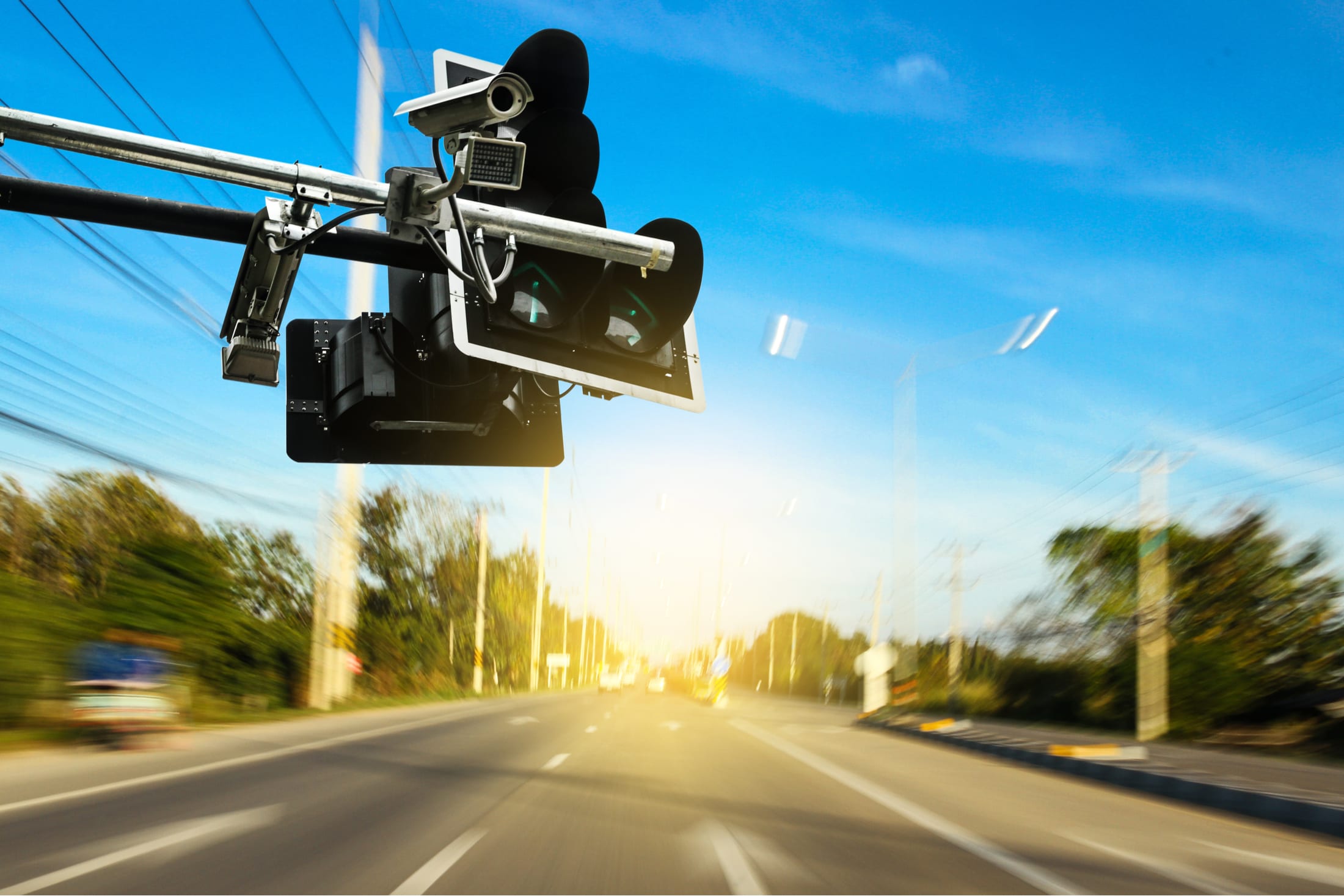
Driving in Maryland can feel like a challenge, especially with speed cameras watching over school zones and construction areas. These systems are set up to detect violations like excessive speeding and issue automated tickets. While getting a speed camera ticket can be frustrating, knowing your rights and the process can help you respond more confidently. This guide from The Law Office of Hillel Traub breaks down how Maryland’s speed cameras work, what to expect if you get a ticket, and how to contest it if needed. Whether you’re new to the area or a longtime driver, this guide will help you handle speed camera tickets with ease.
Understanding Maryland Speed Camera Tickets
Navigating Maryland’s roads means becoming familiar with the state’s use of speed cameras, an essential tool in promoting road safety. Speed cameras are strategically placed to monitor and enforce speed limits in areas prone to speeding, such as school zones, residential neighborhoods, and construction sites. Here’s a detailed look at how these cameras operate and what to expect if you receive a speed camera ticket in Maryland.
- Understanding Maryland Speed Camera Tickets
- Why You Should Contest a Camera Speeding Ticket in Maryland
- How to Contest a Speed Camera Ticket
- Consequences of Ignoring a Speed Camera Ticket
- Contact Our Traffic Offense Lawyer In Baltimore, Maryland For Legal Help
- FAQs About Speed Camera Tickets
What Are Speed Cameras?
Speed cameras are automated systems designed to detect and capture images of vehicles exceeding the speed limit. Unlike traditional speed enforcement methods that require a police officer to observe and stop speeding vehicles, speed cameras work continuously and automatically, ensuring constant monitoring and enforcement.
Common Locations for Speed Cameras
In Maryland, speed cameras are typically found in:
- School Zones: To protect children and ensure safe driving near schools.
- Residential Areas: To enhance safety in neighborhoods with high pedestrian activity.
- Construction Zones: To safeguard workers and regulate traffic speed through construction sites .
Key Features of a Speed Camera Ticket
Speed camera tickets in Maryland are straightforward, but they contain several important details:
- Fine Amount: The standard fine for a speed camera ticket is $40, significantly lower than fines issued by police officers.
- No Points on License: Unlike traditional speeding tickets, speed camera tickets do not result in points being added to your driving record.
- Payment and Contest Options: The citation will provide information on how to pay the fine online, by mail, or in person. It will also outline the steps to request a hearing if you choose to contest the ticket.
Why You Should Contest a Camera Speeding Ticket in Maryland
Receiving a camera speeding ticket in Maryland can be a frustrating experience, but it’s important to know that you have the right to contest it. There are several compelling reasons to consider fighting your ticket instead of simply paying the fine.
Accuracy Issues
Speed cameras, like any other technology, are not infallible. They can sometimes produce erroneous results due to calibration issues or other technical problems. If the camera that captured your alleged speeding violation was not properly maintained or calibrated, the recorded speed might be inaccurate. Contesting the ticket allows you to challenge the accuracy of the evidence presented against you
Signage Problems
For speed camera tickets to be valid, proper signage must be in place to inform drivers of speed limits and the presence of speed cameras. If the signs were missing, obscured, or placed incorrectly, you might have grounds to contest the ticket. Ensuring that all signage complies with legal standards is crucial for the validity of speed camera tickets.
Due Process
By contesting your ticket, you exercise your right to due process. This means you have the opportunity to present your case in court, where procedural errors or mistakes in ticket issuance can be scrutinized. In some cases, tickets may be dismissed due to procedural flaws, such as incorrect information on the citation or improper issuance practices.
Avoiding Fines and Potential Insurance Increases
While speed camera tickets in Maryland do not add points to your driving record, accumulating multiple tickets can still have consequences. Frequent violations can indicate risky driving behavior, which may lead to higher insurance premiums. Contesting the ticket can help you avoid fines and potentially prevent an increase in your insurance rates.
Protecting Your Driving Record
Even though speed camera tickets do not add points to your license, maintaining a clean driving record is important. Contesting the ticket can help you avoid any negative marks on your record, preserving your driving history and potentially avoiding complications in the future.
Contesting a camera speeding ticket in Maryland can be a worthwhile effort, offering you the chance to challenge the validity of the evidence and the procedures used. By understanding your rights and the possible defenses available, you can make an informed decision about how to handle your ticket. If you need assistance, seeking legal advice from a qualified attorney can help you navigate the process more effectively.
How to Contest a Speed Camera Ticket
Contesting a speed camera ticket in Maryland is a process that allows you to challenge the validity of the ticket and potentially have it dismissed. Here’s a step-by-step guide on how to contest your ticket effectively.
Requesting a Hearing
- Receive the Ticket: When you receive a speed camera ticket, it will include information about the violation and instructions on how to pay the fine or contest the ticket.
- Decide to Contest: If you choose to contest the ticket, you must request a hearing. This can usually be done by mail, online, or by calling the provided contact number on the ticket.
- Timely Action: Ensure you request a hearing within the specified timeframe, typically within 30 days from the date of the citation, to avoid additional penalties or fees .
Preparing Your Case
- Gather Evidence: Collect any evidence that supports your case like, photographs of the area where the violation occurred, maintenance records of the speed camera, and Obtain statements from any passengers or witnesses who can support your version of events.
- Documentation: Bring all relevant documentation, such as the ticket itself, your vehicle registration, and any correspondence related to the ticket.
Possible Defenses
- Accuracy of the Camera: Challenge the accuracy of the speed camera. Request maintenance and calibration records to see if the camera was functioning correctly at the time of the violation .
- Signage Issues: Argue that the signage was missing, obscured, or incorrectly placed. Take photos to show the current state of the signage.
- Mistaken Identity: If you believe the camera captured the wrong vehicle, gather evidence to support this claim, such as proving you were not driving in that area at the time.
What to Expect at the Hearing
- Prepare Your Presentation: Ensure you can present your evidence and arguments clearly and concisely. Practice your statements to cover all relevant points effectively.
- Judge’s Review: The judge will examine the evidence and listen to both your argument and the prosecution’s case. They may ask questions to clarify any points.
- Outcome Decision: Based on the presented evidence, the judge will decide whether to uphold the ticket, reduce the fine, or dismiss the ticket entirely.
Contesting a speed camera ticket requires careful preparation and a clear understanding of your rights and the legal process. By gathering evidence, presenting a solid defense, and understanding what to expect at the hearing, you can increase your chances of successfully contesting the ticket. If you need further assistance, consulting with a traffic attorney can provide additional support and guidance.
Consequences of Ignoring a Speed Camera Ticket
Ignoring a speed camera ticket in Maryland can lead to several significant consequences, affecting your finances, legal standing, and driving privileges. It’s crucial to understand these potential repercussions to avoid escalating the situation.
One of the primary consequences of ignoring a speed camera ticket is the accumulation of additional penalties. The initial fine for a speed camera ticket in Maryland is typically $40. However, if you ignore the ticket, additional fees and penalties may be added to the original fine, significantly increasing the amount you owe. Late fees can also be assessed, accumulating over time and making it more expensive to settle the violation later on.
Legal action is another serious consequence of failing to address a speed camera ticket. If you do not respond to the ticket, you may receive a court summons requiring you to appear in court to address the violation. Ignoring a court summons can lead to more severe legal consequences, including a default judgment against you. This means you will be automatically found guilty, and the fines and penalties will be upheld.
Your vehicle registration and driving privileges can also be impacted if you ignore a speed camera ticket. The Maryland Motor Vehicle Administration (MVA) may place a hold on your vehicle registration if you have unpaid speed camera tickets, preventing you from renewing your registration until the fines are paid. In some cases, failure to pay speed camera fines can even result in the suspension of your driver’s license, affecting your ability to drive legally.
Financial and credit implications are additional concerns when ignoring a speed camera ticket. Unpaid speed camera fines may be turned over to a collection agency, resulting in persistent collection efforts and additional fees. Furthermore, unpaid fines that go to collections can negatively impact your credit score, affecting your ability to obtain loans, credit cards, and other financial services.
Ignoring a speed camera ticket in Maryland can lead to increased fines, legal action, and negative impacts on your driving privileges and financial health. It’s essential to address the ticket promptly to avoid these severe consequences. Consider contesting the ticket or paying the fine to prevent these issues from escalating.
Contact Our Traffic Offense Lawyer In Baltimore, Maryland For Legal Help
Navigating Maryland’s roads with speed cameras monitoring your every move can be challenging. Understanding how these cameras work and knowing your rights can significantly impact how you handle receiving a speed camera ticket. Ignoring a ticket can lead to increased fines, legal action, and negative effects on your driving privileges and financial health.
If you receive a speed camera ticket, consider contesting it to challenge its validity or ensure the fine is justified. Seeking legal advice from a traffic ticket lawyer can provide the support you need. Take action today to protect your rights and maintain your driving record. Attorney Hillel Traub of The Law Office of Hillel Traub understands the organization’s inner workings. He knows what it takes to successfully challenge their case against you and help you avoid court fees, potentially even getting your ticket dismissed. For over 30 years, he has assisted Baltimore residents and those in surrounding areas with their traffic issues. If you receive a citation by mail, your first step should be to call our law office at (410) 835-4841 or fill out our contact form on our website for a free consultation.
FAQs About Speed Camera Tickets
How much is a camera speed ticket in Maryland?
The fine for a speed camera ticket in Maryland is typically $40.
Do camera speed tickets affect my driving record?
No, camera speed tickets in Maryland do not add points to your driving record.
Can I contest a camera speed ticket?
Yes, you can contest a camera speed ticket in Maryland. You must request a hearing, which can typically be done by mail, online, or by calling the contact number provided on the ticket.
What happens if I ignore a speed camera ticket?
If you ignore a speed camera ticket in Maryland, you may face increased fines, late fees, and a court summons. Ignoring a court summons can result in a default judgment against you. The Maryland Motor Vehicle Administration (MVA) may place a hold on your vehicle registration, preventing renewal, and could suspend your driver’s license. Unpaid fines may be sent to collections, impacting your credit score.
How do I pay a camera speed ticket in Maryland?
To pay a camera speed ticket in Maryland, you have several options. You can pay online by visiting the website listed on the ticket. Alternatively, you can send a check or money order to the address provided on the ticket. You may also pay in person at designated locations listed on the ticket. Lastly, you can call the number provided on the ticket to pay by credit or debit card.
Are there any defenses against camera speed tickets?
Yes, there are several defenses against camera speed tickets in Maryland. You can challenge the accuracy of the camera by requesting maintenance and calibration records. Arguing that the signage was missing, obscured, or incorrectly placed can also be effective; photos can support this claim. If the camera captured the wrong vehicle, provide evidence showing you were not driving in that area. Additionally, highlighting procedural errors, such as incorrect information on the citation, can help. These defenses can increase your chances of having the ticket dismissed or the fine reduced.