Blog

How Much Do Maryland Lawyers Typically Charge for Speeding Tickets?

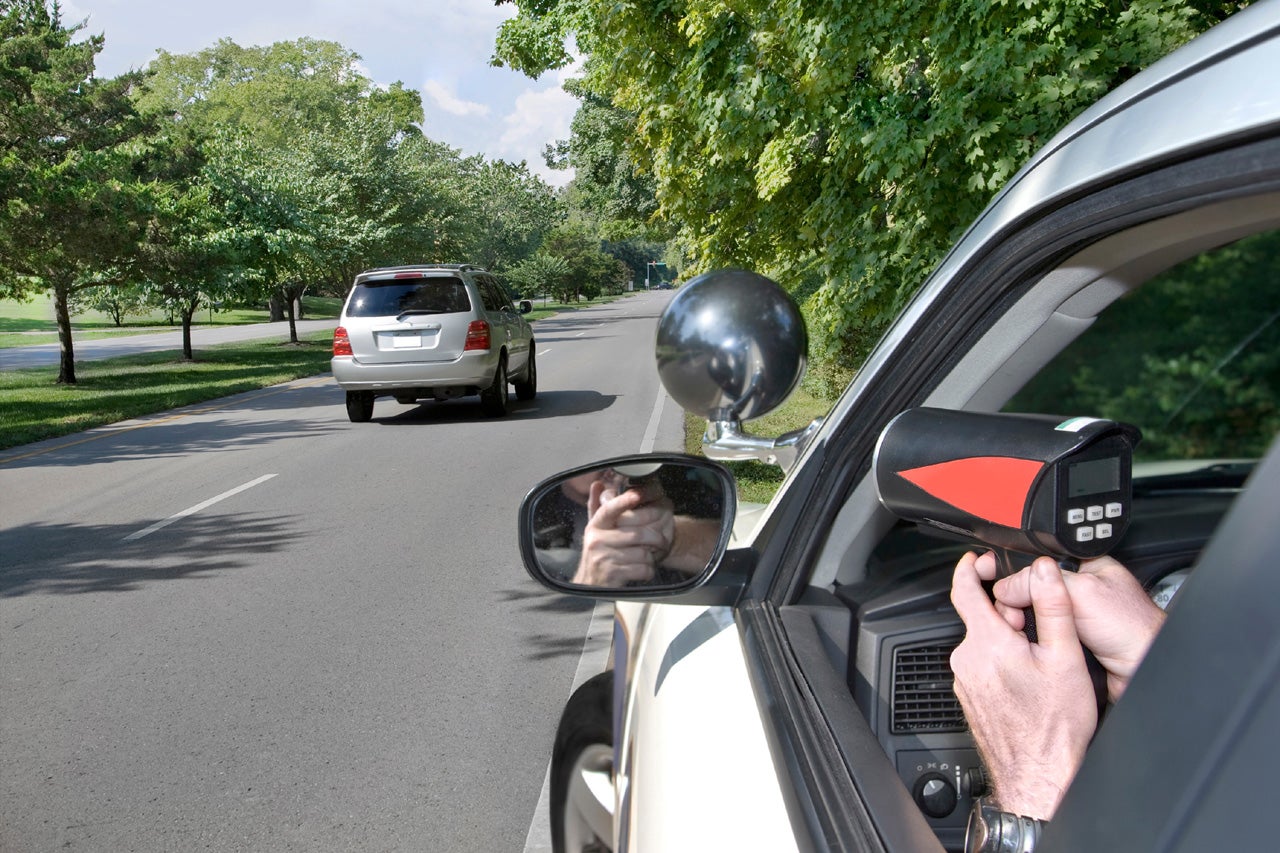
If you have been given a speeding ticket in Maryland, you may consider hiring a traffic violations lawyer to help you fight the ticket or negotiate a plea bargain. However, before doing so, it is essential to understand how much lawyers typically charge for speeding ticket cases. Fee structures may entail flat fees, hourly fees, contingency fees, or payment plans, depending on which lawyer you partner with.

The cost of hiring a highly qualified traffic violations lawyer for a speeding ticket can vary depending on various factors, including the complexity of the case, the lawyer’s experience and reputation, and the location of the court. At The Law Office of Hillel Traub, we have over 30 years of experience helping clients with complex traffic violation cases. With our free consultation and proven track record of success, you can count on us to fight for you.

Table of Contents

Types of Legal Fees Your Maryland Lawyer May Charge for a Speeding Ticket

The following are common types of fee structures your lawyer may use in a Maryland speeding ticket case:

Flat Fee vs. Hourly Fee

Some lawyers opt to charge a flat fee for handling a speeding ticket case, while others may charge an hourly rate. Flat fees are generally more common in simple cases, and hourly rates are most often used in complex cases.

The fees for handling a speeding ticket case in Maryland can range from $600 to $1,500 or more, depending on the specifics of your case. You can expect to pay between $300 and $500 for a simple speeding ticket and between $500 and $1,000 for a more complex case that requires negotiation or litigation.

Contingency Fee

When a lawyer charges their legal fees on a contingency fee basis, this means their fee is a percentage of the award in a case resolution. However, this pricing structure is typically only used in personal injury or medical malpractice cases. If you lose the case, they do not receive a fee, but you may be responsible for some of the expenses. These types of fee arrangements are most common in cases involving financial losses.

Additional Costs

In addition to lawyer’s fees, there may be additional costs associated with a speeding ticket case, such as court fees and fines, costs for obtaining and reviewing the police report, and expenses related to hiring expert witnesses. It is important to discuss these potential costs with your traffic violations lawyer before hiring them so you have an exact understanding of what you will be responsible for paying.

Contact the Experienced Traffic Violations Lawyer at The Law Office of Hillel Traub

The cost of hiring a traffic violations lawyer can vary depending on several factors, such as the complexity of your speeding ticket case. At The Law Office of Hillel Traub, we offer effective and trustworthy legal representation.

During your free consultation, we can discuss your best legal options and the legal fees associated with your speeding ticket case. As a former lawyer for the MVA, with more than 30 years of experience handling these types of cases, attorney Hillel Traub will fight to keep your driving record clean and help you avoid losing driving privileges. Call us today at (410) 220-6976 or fill out our contact form.

Recommended Posts

What Is Jewish Law Arbitration and How Does It Work?

Arbitration has long been known as an effective alternative to the traditional court system for resolving disputes. Among various forms of arbitration, Jewish Law Arbitration (also known as Beit Din) holds a unique place, particularly for those in the Jewish community. This method not only adheres to the legal principles of Jewish law (Halacha) but also offers a culturally relevant, often more expeditious, way of settling conflicts. If you're in Baltimore, MD, and considering this form of arbitration, here's what you need to know. Understanding Jewish Law Arbitration At its core, Jewish Law Arbitration is a system where disputes are resolved by a panel of judges who are well-versed in Jewish law. These panels are often composed of three rabbis who serve as neutral arbitrators. The process is voluntary; both parties must agree to submit their dispute to the Beit Din, and they must also agree to abide by the panel's decision. Why Choose Jewish Law Arbitration? Cultural Relevance: For those within the Jewish community, having a legal matter resolved under the guidance of Jewish principles can be deeply reassuring and more aligned with personal beliefs. Confidentiality: Like most arbitration, proceedings are private, which means sensitive matters can be handled discreetly. Speed: The arbitration process is typically faster than traditional court proceedings, which can be particularly beneficial in time-sensitive situations. The Arbitration Process 1. Agreement to Arbitrate Before the process begins, both parties must sign an agreement to arbitrate, which outlines the scope of the arbitration and the issues to be resolved. This agreement is essential as it binds the parties to accept the decision of the Beit Din. 2. Selection of the Beit Din Typically, the Beit Din is chosen by mutual agreement of the parties involved. The panel is composed of rabbinical judges with expertise in Jewish law and often includes individuals with a strong legal background. 3. The Hearing During the hearing, both parties present their case, including evidence and witnesses if necessary. The process is less formal than a court trial, but it is structured to ensure fairness and thorough consideration of the issues. 4. Deliberation and Decision After hearing both sides, the Beit Din deliberates and issues a decision, known as a p’sak din. This decision is binding, and in many jurisdictions, it can be enforced in the same manner as a court judgment. Legal Recognition and Enforcement Decisions made by a Beit Din are generally recognized and enforceable under civil law, provided the arbitration process complies with local legal requirements. In Baltimore, MD, as in other places, parties often seek to have the decision confirmed by a civil court to ensure enforceability. Considering Jewish Law Arbitration in Baltimore, MD For residents of Baltimore, MD, who are considering Jewish Law Arbitration, it’s crucial to understand both the benefits and the specific legal context. The Law Office of Hillel Traub, P.A. offers guidance for those exploring this path and ensures that your arbitration process aligns with both Jewish and civil law standards. Conclusion Jewish Law Arbitration offers a culturally resonant and efficient alternative to traditional litigation. Whether you're dealing with a family dispute, business disagreement, or other legal matters, this form of arbitration can provide a fair resolution in a manner consistent with Jewish values. For more information or to consider this option, feel free to contact The Law Office of Hillel Traub, P.A. for a consultation. Their expertise can guide you through the arbitration process with confidence and clarity.

Always Get Same-Day Carfax Before Car Purchases in Maryland

Buying a used car can feel like a gamble. You're making a significant financial investment based on what appears on the surface, but what lies beneath could cost you thousands down the road. Vehicle history reports like Carfax and Auto Check serve as your insurance policy against costly surprises—but only if they contain the most current information available. When purchasing a vehicle in Maryland, requesting a same-day Carfax or Auto Check report isn't just recommended—it's essential. These reports can reveal critical information that determines whether you're getting a reliable vehicle or walking into a legal and financial nightmare. Why Same-Day Reports Matter Most Fresh Data Prevents Costly Oversights Vehicle history reports are constantly updated as new information becomes available from insurance companies, repair shops, and government agencies. A report that's even a week old might miss recent accident claims, title transfers, or mechanical issues that could dramatically affect the vehicle's value and safety. Same-day reports capture the most recent entries in a vehicle's history, including: Recent accident claims still being processed Last-minute title changes or liens Updated service records from authorized dealers Recent emissions or safety inspection failures Sellers Can't Hide Last-Minute Issues Some unscrupulous sellers know exactly when negative information appears on vehicle history reports. By insisting on a same-day report, you prevent situations where sellers rush to complete a sale before damaging information surfaces in the database. The High Cost of Skipping Vehicle History Reports Undisclosed Accident Damage Maryland law requires sellers to disclose known material defects, but many accidents and repairs go unreported during private sales. Without a current vehicle history report, you might unknowingly purchase a vehicle with: Structural damage affecting safety Flood damage leading to electrical problems Previous airbag deployments requiring expensive replacement Frame damage that diminishes the vehicle's integrity Title Problems That Become Your Problems Title issues can turn a seemingly great deal into a legal headache. Common problems revealed in vehicle history reports include: Salvage titles that weren't properly disclosed Outstanding liens from previous owners Title washing schemes where damaged vehicles are moved between states Odometer rollback fraud Key Red Flags to Watch For Accident History Look for multiple incidents, especially those involving structural damage. Even minor fender-benders can indicate a pattern of careless ownership or hidden damage. Title Issues Any history of salvage, flood, or lemon titles should raise immediate concerns. These designations follow the vehicle permanently and affect both safety and resale value. Mileage Discrepancies Inconsistent mileage readings between service records, inspections, and current odometer readings often indicate tampering, a federal crime that can void your investment. Service Record Gaps Long periods without recorded maintenance might suggest neglect or attempts to hide problematic repair history. Protect Yourself with Professional Legal Support Even with a thorough vehicle history report, disputes can arise after purchase. Sellers might misrepresent information, hide known defects, or engage in fraudulent practices that a standard report can't catch. If you discover that a seller in Maryland has misled you about a vehicle's condition or history, you don't have to absorb the financial loss alone. Consumer protection laws provide remedies for victims of auto dealer fraud and private party misrepresentation. When Legal Action Makes Sense The Law Office of Hillel Traub, P.A. has helped countless Maryland residents recover damages when vehicle purchases go wrong. Attorney Hillel Traub's experience includes cases involving: Misrepresented accident history Hidden flood or salvage damage Odometer fraud Undisclosed mechanical problems Fraudulent financing schemes Don't let a bad car purchase drain your finances or compromise your safety. Call The Law Office of Hillel Traub, P.A. in Baltimore, MD at 410-205-5603 for a free consultation. With over 25 years of experience and a proven track record of successful case outcomes, Attorney Traub can help you understand your options and fight for the compensation you deserve.

A Complete Guide to Maryland Car Insurance Laws After a Car Accident

Navigating the aftermath of a car accident can be overwhelming, especially when it comes to understanding the intricacies of car insurance laws in Maryland. Whether you are a seasoned driver or new to the roads of Baltimore, being informed about your rights and responsibilities can make a significant difference in how you handle the situation and protect your interests. Understanding Maryland's Car Insurance Requirements Maryland law mandates all drivers to carry a minimum level of car insurance. This includes: Bodily Injury Liability: At least $30,000 per person and $60,000 per accident. Property Damage Liability: At least $15,000 per accident. Uninsured Motorist Coverage: Equal to the bodily injury and property damage liability minimums. Personal Injury Protection (PIP): A minimum of $2,500. These requirements are designed to ensure that drivers can cover the costs of injuries and damages resulting from an accident. Steps to Take After a Car Accident in Maryland Ensure Safety: First, check for injuries and move to a safe area if possible. Call 911 if there are any injuries or significant damage. Document the Scene: Take photos of the accident scene, vehicle damage, and any visible injuries. Collect contact information from all parties involved as well as witnesses. Notify Your Insurance Company: Report the accident to your insurance provider as soon as possible. Be honest and detailed about the incident. File a Police Report: Maryland law requires a police report for accidents involving injury, death, or property damage exceeding $1,000. Seek Medical Attention: Even if you feel fine, some injuries may not be immediately apparent. A medical evaluation can help document your condition after the accident. Navigating Insurance Claims Dealing with insurance companies can be challenging, especially when they prioritize their interests over yours. Here are a few tips to protect yourself: Delay Recorded Statements: You are not required to give a recorded statement immediately. Consult with a personal injury attorney first. Evaluate Settlement Offers Carefully: Initial offers are often low. Consider all medical costs, lost wages, and long-term impacts before accepting a settlement. Choose Your Repair Shop: You have the right to select the repair shop of your choice, not just the insurer’s preferred option. Maryland's Comparative Fault Rule Maryland follows a strict contributory negligence rule, meaning if you are found even slightly at fault for the accident, you may be barred from recovering damages. This makes it crucial to carefully document the accident and consult with legal professionals to protect your rights. Why Legal Assistance Matters The complexities of car insurance laws and claims processes can make it difficult to secure fair compensation. Engaging an experienced attorney can help you navigate these challenges effectively. At The Law Office of Hillel Traub, P.A., we specialize in helping Baltimore residents with car accident claims, ensuring your rights are protected every step of the way. Conclusion Understanding Maryland car insurance laws and taking the appropriate steps after an accident can significantly influence the outcome of your insurance claim. By being informed and proactive, you can better protect yourself and your financial interests. For personalized assistance and to ensure your rights are fully protected, contact us at The Law Office of Hillel Traub, P.A. Our experienced team is here to guide you through every aspect of your case, ensuring you receive the compensation you deserve.