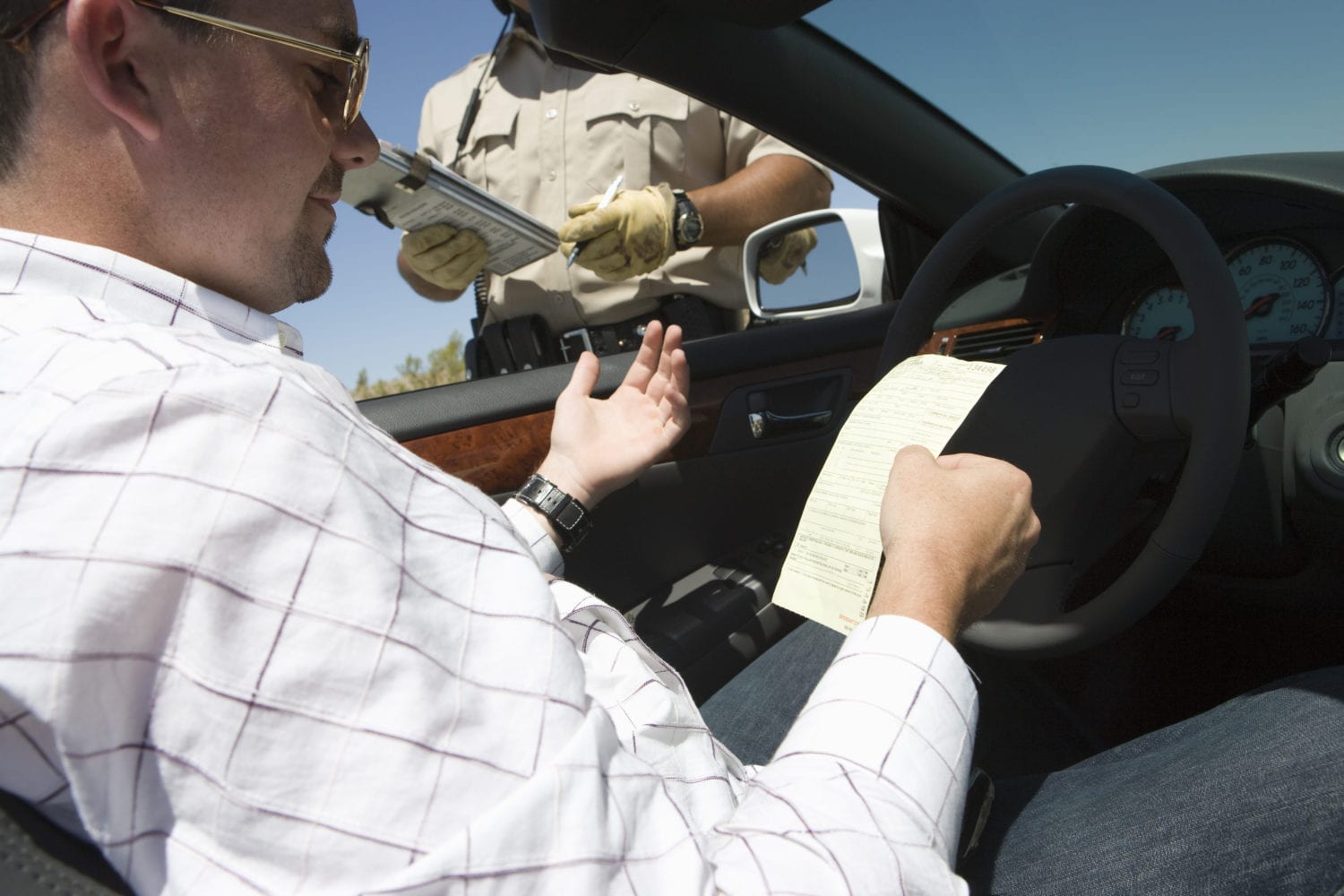
Being pulled over on suspicion of DUI in Maryland is a high-stress, high-stakes situation. Every action you take—or fail to take—can influence whether charges are reduced, dismissed, or lead to conviction. Drivers often panic, make incriminating statements, or consent to improper testing, which can have long-term consequences on their license, insurance, and criminal record.
This blog provides a step-by-step guide on what to do immediately after a DUI stop, focusing on legal rights, practical actions, and strategies that can help protect your case.
Step 1: Stay Calm and Composed
- Pull over safely and turn off the engine.
- Keep hands visible on the steering wheel.
- Avoid sudden movements that may alarm the officer.
- Take deep breaths—remaining calm can influence officer perception and reduce unnecessary escalation.
Example: Drivers who argue or resist often face additional charges, such as obstruction or reckless driving, complicating their case.
Step 2: Understand Your Rights
Maryland law provides key protections during a traffic stop:
- Right to Remain Silent: You do not have to answer questions about alcohol or drug consumption. Polite non-incriminating responses are recommended.
- Right to Refuse Certain Tests: You can refuse a preliminary breath test (PBT) at the scene, but refusing an evidentiary chemical test (breath, blood, or urine) after arrest may trigger Administrative License Suspension.
- Right to Legal Representation: You may request an attorney before providing statements or consent to additional procedures after arrest.
Step 3: Comply Without Self-Incrimination
- Follow officer instructions respectfully.
- Do not argue or admit guilt on the spot.
- Answer only basic questions (name, address, date of birth) unless instructed otherwise.
Scenario Example:
A driver who admitted to having “a couple of drinks” during a traffic stop saw that statement used against them in court. Keeping statements limited can prevent self-incrimination.
Step 4: Observe and Document
- Note the time, location, weather, and road conditions.
- Pay attention to officer behavior and any irregularities.
- If possible, document dash cam footage or witness accounts.
This information can be crucial if your attorney later challenges the stop, field sobriety tests, or chemical testing procedures.
Step 5: Field Sobriety and Chemical Tests
- Maryland officers may administer field sobriety tests (walk-and-turn, one-leg stand, horizontal gaze nystagmus).
- Tests can be affected by fatigue, medical conditions, or environmental factors.
- Chemical tests (breath, blood, or urine) are subject to strict procedural and calibration requirements.
Tip: Refusing a PBT may protect your case at the scene, but refusing an evidentiary test after arrest triggers ALS. Always consult a DUI attorney immediately if you are arrested.
Step 6: After the Stop
- You may be released with a citation or arrested depending on evidence.
- Always keep a copy of all paperwork, including citation and notice of ALS (if applicable).
- Do not attempt to handle complex legal matters on your own; expert legal counsel is essential.
FAQs
Q1: Can I refuse a field sobriety test?
A1: Yes, but refusal may be used as evidence of impairment in court. Always consult an attorney.
Q2: How soon should I contact a DUI attorney?
A2: Immediately. Early intervention can protect your license and evidence.
Q3: Will police read me my rights at a DUI stop?
A3: Officers must read your Miranda rights only if you are in custody and being interrogated. Knowing your rights beforehand helps protect you.
Q4: What happens if I fail the breath test?
A4: A high BAC triggers ALS, potential DUI charges, and insurance implications. Legal review is essential.
Your First Moves Matter: Navigating a Maryland DUI Stop
Being proactive immediately after a DUI stop can make a critical difference. At The Law Office of Hillel Traub, P.A., we guide Maryland drivers through the process, from the initial stop to administrative hearings and criminal defense. By understanding your rights, documenting details, and consulting expert legal counsel, you can protect your driving privileges, limit long-term consequences, and build a strong defense.
Next Step: Don’t wait—contact us today to discuss your situation and ensure your rights are fully protected.