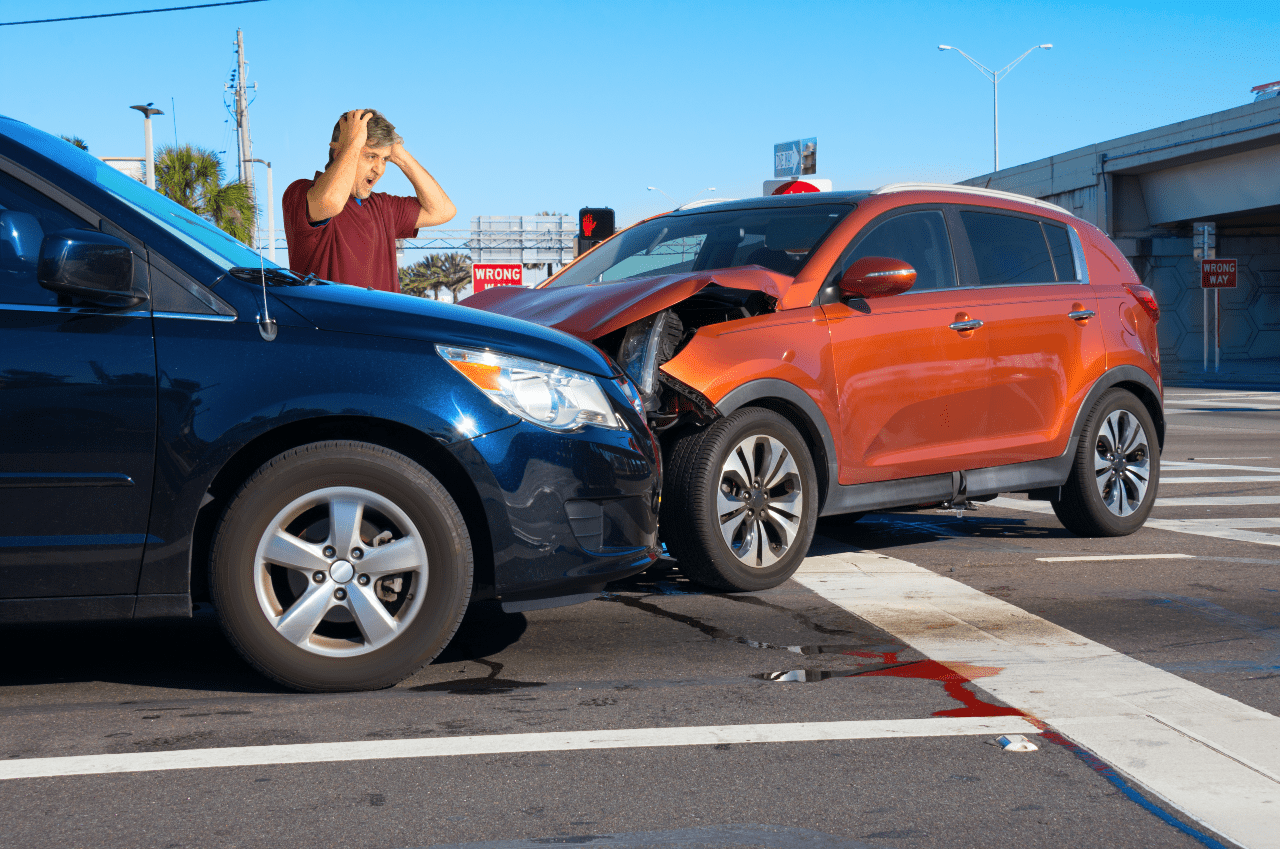
Maryland drivers often encounter situations where they have to give up their right of way to avoid colliding with another motorist. Unfortunately, not all drivers follow the right-of-way rules, which is one of the leading causes of Maryland car accidents.
If you were in an auto accident because another driver failed to follow the rules of the road, reach out to a skilled car accident attorney. Attorney Hillel Traub has the experience needed to handle both traffic citations and personal injury cases.
Table of Contents
- Traffic Rules and Regulations in Maryland
- Do Vehicles Have to Yield to Pedestrians?
- Speak to an Experienced Maryland Attorney Today
Traffic Rules and Regulations in Maryland
All motorists need to be aware of right-of-way laws. Lawmakers put them in place to help traffic move smoothly and efficiently to decrease accidents. You can find these rules in the Maryland Driver’s Manual. While the manual describes what drivers have the right of way and when, it also states that no one should assume they have the right of way.
Intersections
Intersections occur where two or more roads meet, and they can be controlled by a stop sign, yield sign, or traffic light. When drivers arrive at a four-way stop, they should yield the right of way to the driver that arrived first. However, there might be an instance where two drivers pull up simultaneously. When this happens, the driver to the right will proceed first.
As always, drivers must yield the right of way to vehicles, bicyclists, or pedestrians who are already crossing the intersection. Drivers who are turning left at an intersection should allow opposing traffic to cross first.
Highways
When you enter a highway or interstate from the entrance ramp, you should yield to the drivers who are already on the road. However, motorists should move to the other lane and allow you to merge if it’s safe to do so.
U-Turns
Making a U-turn can be very dangerous, especially if you do not know who has the right of way. According to the manual, drivers can make a U-turn when it’s safe to do so. Drivers should signal with their left turn signal. Anyone making a U-turn will always yield to oncoming traffic.
Do Vehicles Have to Yield to Pedestrians?
Since pedestrians do not have a vehicle to protect them, drivers should always be cautious when they are in the area. The manual states that pedestrians have the right of way at street crossings. This also includes intersections where there is not a designated crosswalk. Pedestrians must also follow all traffic signs.
Remember that drivers must stop for pedestrians in a crosswalk, and they cannot pass a vehicle stopped at one, either. Additionally, cars turning at a green light must wait for pedestrians to cross safely.
Speak to an Experienced Maryland Attorney Today
While right-of-way laws are in place to keep everyone safe, not everyone follows them. If you think your accident was caused by another driver’s failure to yield, contact the Law Offices of Hillel Traub.
Attorney Hillel Traub is well versed in Maryland personal injury and traffic laws and will investigate your accident to determine who the responsible party is. When you partner with Hillel Traub, you can be confident that he will do everything possible to obtain you a fair settlement. Call (410) 580-1100 or complete our contact form to schedule a free consultation.