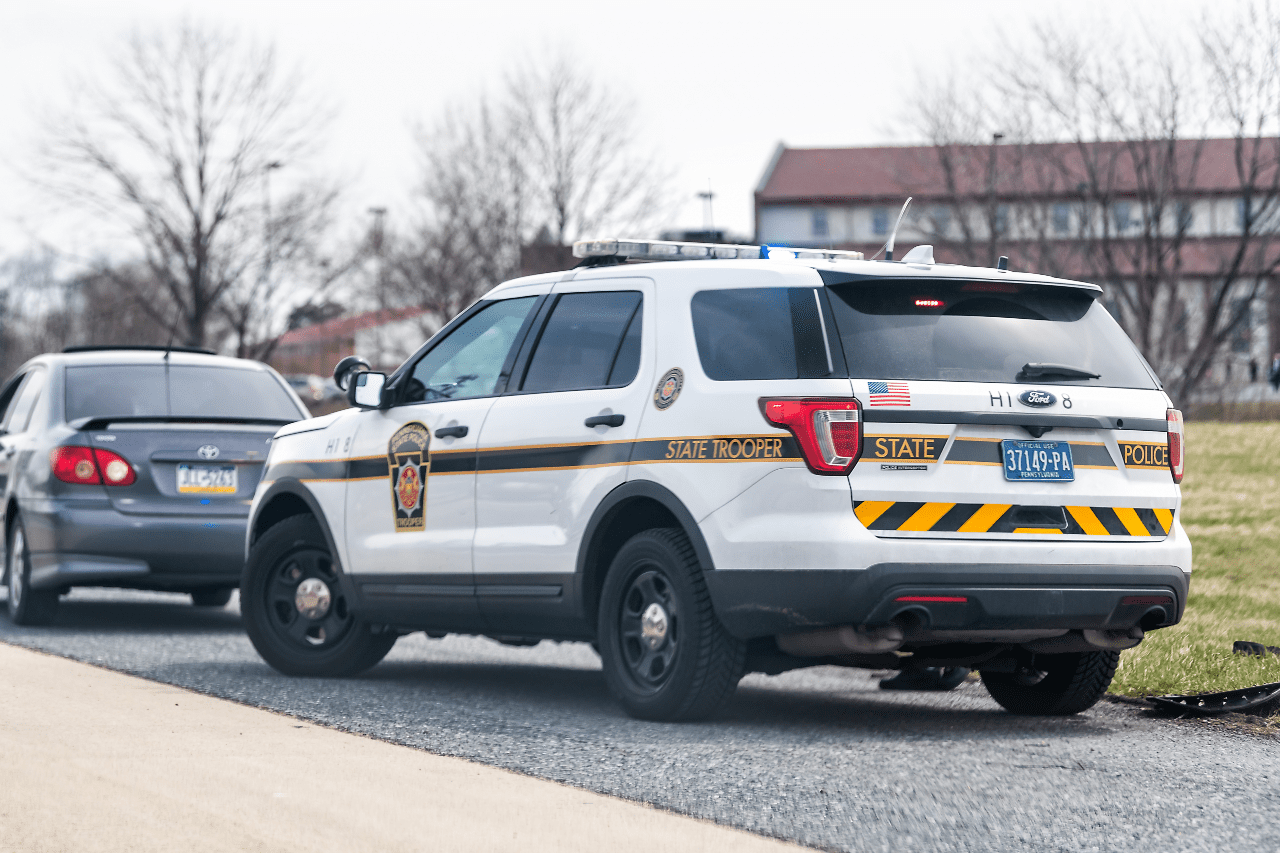
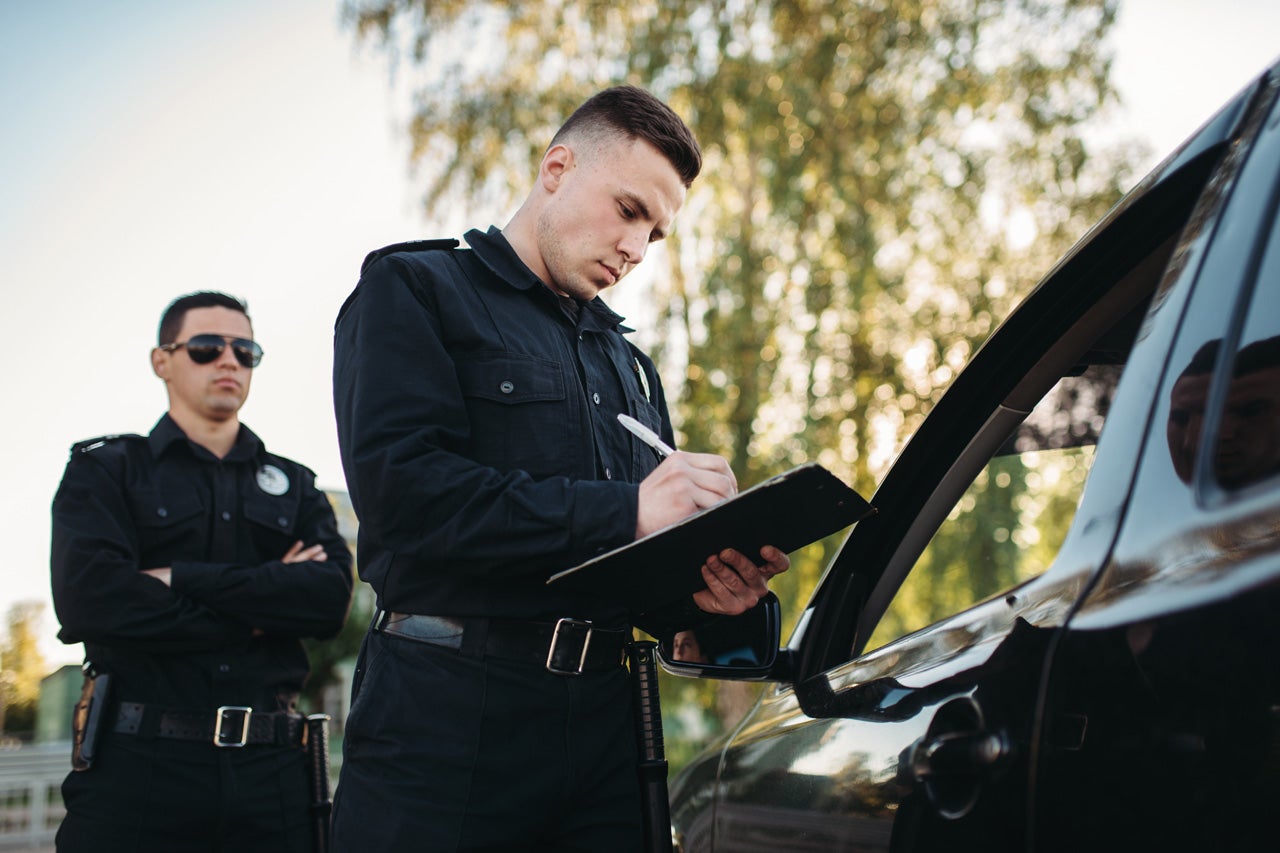
Drivers who have had a bad experience with law enforcement, even incidents not involving physical injuries, may wonder if there is legal recourse for violations of your legal rights during a traffic stop. Violations of rights cases are serious, and gathering compelling evidence is essential to strengthening the validity of your claims. Lawsuits against police officers are complex and require the legal guidance of an experienced Maryland lawyer.
Police officers are not above the law. If you have been a victim of police abuse or misconduct during a traffic stop, attorney Hillel Traub at The Law Office of Hillel Traub can help you assess if you have grounds for a lawsuit against the officer. With over 30 years of experience and an extensive track record of success. He is well-versed in building complex cases to protect your legal rights and seeking the maximum damages you deserve for police misconduct or abuse during a traffic stop.
Table of Contents
- When Can You Sue a Police Officer for Violating Your Legal Rights During a Traffic Stop?
- Types of Claims You May Seek Against a Police Officer
- Speak With an Experienced Maryland Traffic Lawyer at the Law Office of Hillel Traub
When Can You Sue a Police Officer for Violating Your Legal Rights During a Traffic Stop?
There are specific circumstances where you may be eligible to seek legal action against a police officer for violating your rights during a traffic stop. These types of lawsuits are very challenging and require the legal counsel of an experienced lawyer to guide you through your best legal options.
There are several types of police misconduct or abuse that may occur at a traffic stop, including the following:
- Police brutality
- Acts of corruption
- Perjury
- Falsification of evidence
- Racial profiling
- False arrest
- Coercion
- Fraud
- Abuse of authority
- Spoliation of evidence
- Sexual or physical assault
Federal and state laws protect individuals from abuse or misconduct that occur by government officials. However, police officers have legal protections, including qualified immunity, which only holds them accountable if they violate someone’s legal rights, as shown through existing case law. Qualified immunity does not apply if there’s evidence that a police officer acted intentionally in an unlawful manner.
An experienced lawyer can help you determine all liable parties who have violated your legal rights and what compensatory damages they may be accountable for.
Types of Claims You May Seek Against a Police Officer
In a civil lawsuit against a police officer, the jury involved will assess whether the officer’s actions satisfied specific civil lawsuit elements or if the officer was responding in fear of their safety. The following are the types of claims you may seek against a police officer:
Emotional Distress
You may sue a police officer for infliction of emotional distress for either a reckless, negligent, or intentional act that causes emotional injury or suffering. The court may consider the following when determining whether there was an infliction of emotional distress:
- The officer was aware the victim was susceptible to emotional distress
- There was a clear pattern of misconduct
- The officer was in a position of power
To prove emotional distress, you must prove that the officer acted with extreme and outrageous behavior that doesn’t adhere to societal norms.
Misconduct
The most common misconduct claims include the following:
- Discrimination
- False arrest
- Excessive force
- Harassment
It is essential to provide evidence of a pattern of behavior, such as surveilling or spying on you illegally, making racist, homophobic, or sexist comments, or racial profiling. You may prove misconduct using dashcam footage or other video footage, photos, witness testimony, or other forms of evidence.
Violation of Legal Rights
Under 42 U.S.C. § 1983, police officers are prohibited from violating citizens’ civil rights under the US Constitution. If your legal rights have been violated, you may sue a law enforcement officer, the police department, or the Department of Justice.
Speak With an Experienced Maryland Traffic Lawyer at the Law Office of Hillel Traub
Many victims of police abuse or misconduct believe they don’t have any legal recourse against a police officer who abused their power during a traffic stop. At The Law Office of Hillel Traub, we are committed to fighting for police abuse victims to get them the justice they deserve. We can help you build a compelling case by investigating the incident, obtaining valuable evidence, and interviewing eyewitnesses.
Attorney Hillel Traub is a former lawyer for the MVA with over 30 years of experience and an extensive record of proven results. Schedule a no-cost consultation by calling (410) 580-1100 or filling out our contact form.